Wedding Bands: Wholesale Pricing Tiers: How - JewelF & Co.
Bench notes · The Journal
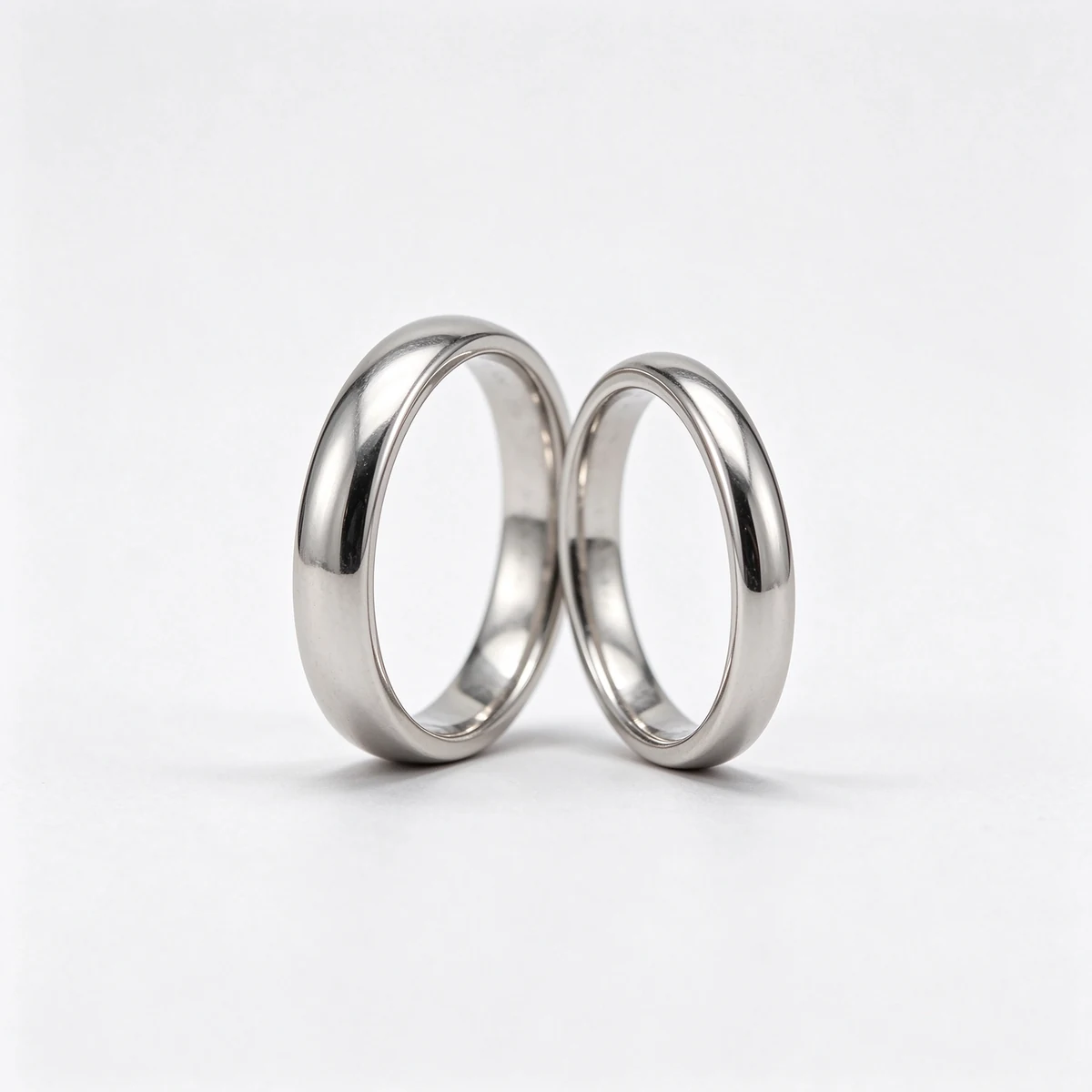
A wedding bands price ladder is not a discount list. It is a forecast instrument: the tier you offer should match the volume you can actually commit, or the discount becomes a margin leak.
01The three-tier structure
Tier one is the trial, at list price. Tier two starts at 100 pieces with a modest reduction. Tier three is a program price tied to a quarterly forecast.
The gaps matter more than the levels. A 4 percent step between tier one and two is credible; a 30 percent step means the list price was never real.
Sample by size run, not from one mixed tray. Defects cluster by size and by design, and a mixed sample hides both.
02What actually drives the discount
Four cost drivers: alloy purchase at volume, plating batch loading, bench learning curve and freight consolidation. A discount that is not tied to one of those is a discount that will be withdrawn.
Ask the factory to map each tier to a cost driver on wedding bands. The answer tells you whether the ladder is engineered or improvised.
| Tier | Volume | Discount vs list | Commitment |
|---|---|---|---|
| Trial | 30-50 pcs | List | None |
| Volume | 100-300 pcs | 6-10% | Per PO |
| Program | 500+ per quarter | 12-16% | Rolling forecast |
Read the table as a checklist rather than a recommendation. The right row depends on the price band, the wear pattern and the channel you sell into.
Ask for the mill certificate and the stone invoice. Two documents turn a material claim into something an auditor can check.
03The commitment behind tier three
Tier three should require a forecast, not a promise. A rolling 90-day forecast with a firm 30-day window is the usual structure, with the balance cancellable inside the rolling window.
Put the forecast accuracy expectation in writing. A tier price with no forecast discipline becomes a one-off discount.
04Protecting the ladder
Two risks: a competitor undercuts your tier three, or the factory raises the base price and keeps the percentages. Guard with a price validity clause and a notice period.
On wedding bands, a 90-day price hold with 30 days' notice on changes is a fair commercial term.
Write the remedy before the defect. A matrix agreed in calm weather is the only thing that settles a claim in a storm.
05What to check before the order
Run the five checks below in order. The first two protect the money, the last three protect the launch date.
If a supplier cannot answer three of the five, treat the quote as a starting point rather than a plan. Ask again in writing and keep the answer with the PO.
06Frequently Asked Questions
What discount should I expect on wedding bands at volume?
Six to ten percent at 100 to 300 pieces and twelve to sixteen at program volume, tied to a forecast.
Should the tier apply to mixed designs?
Usually the volume is counted across the family. Confirm whether the factory counts by design or by order.
Can I lose a tier if I order less?
Yes, unless the agreement says otherwise. Ask for a grace period on the first short quarter.
Is a large discount a warning sign?
Often. A 30 percent step usually means the list price carried a margin that was never sustainable.
How often should tiers be reviewed?
Annually, or when alloy or stone prices move more than ten percent.
What belongs in the first email to a new supplier?
Spec, quantity, target price, delivery date and the QC standard. Five lines get a useful reply.
Send the wedding bands annual volume estimate. We return a three-tier ladder mapped to cost drivers, with the forecast terms spelled out. See the full range at JewelF & Co..
The short version: specify the number, seal the sample, inspect against both. Everything else is negotiation.
Send a sketch or a photo — our setter will answer with stone options and a price band.
Talk to the atelier


