Wedding Bands: Building a Long-Term - JewelF & Co.
Bench notes · The Journal
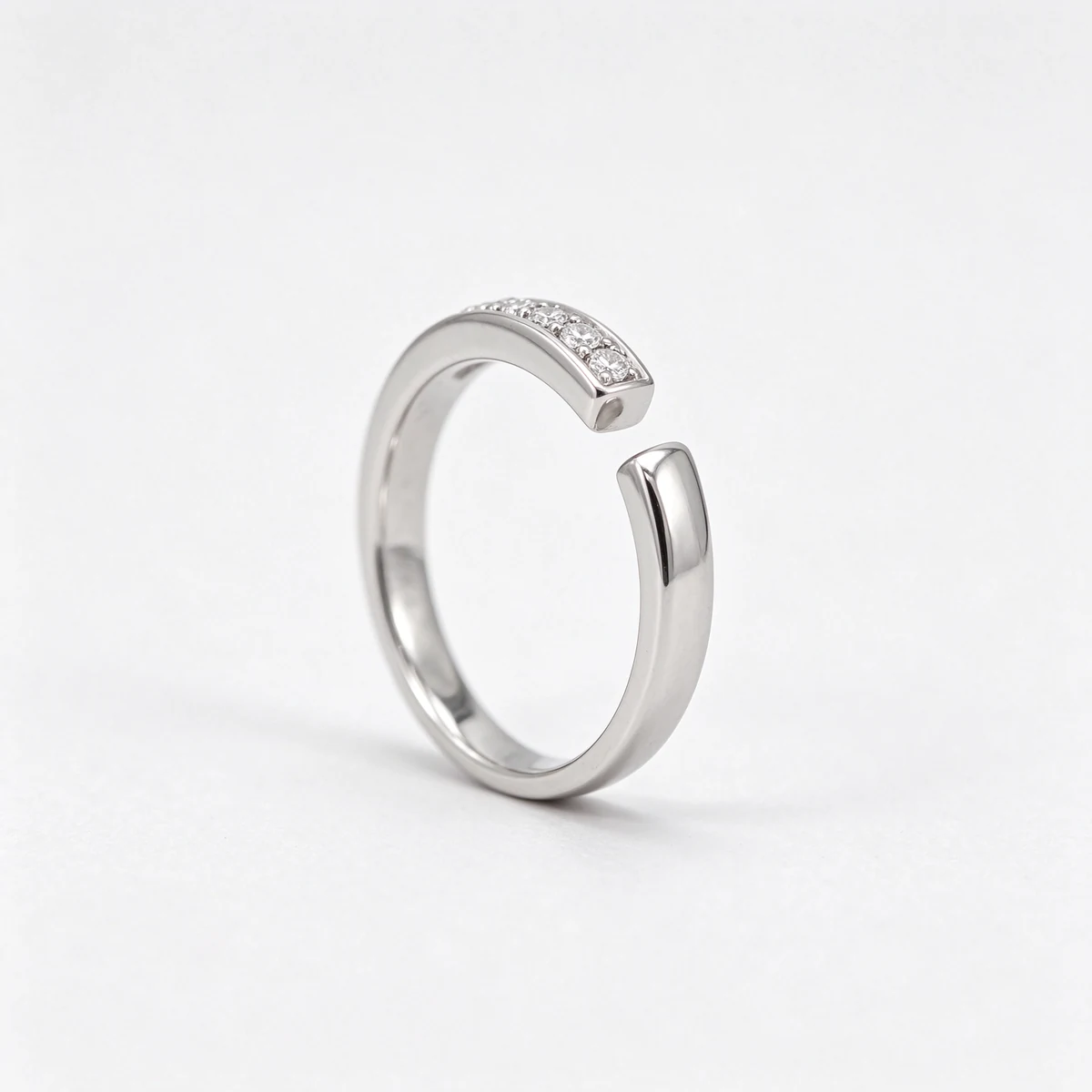
Every wedding bands program eventually has a bad lot. The difference between a supplier you keep and one you replace is whether the relationship was built on documents or on discounts.
01What to put in the framework agreement
Five clauses: price validity, forecast window, QC standard, remedy matrix and IP ownership. On wedding bands, these five cover most of what goes wrong in a year.
Keep the agreement short and specific. A ten-page contract with vague QC language protects nobody.
Ask for the mill certificate and the stone invoice. Two documents turn a material claim into something an auditor can check.
02The quarterly review
Review four numbers every quarter: on-time rate, first-pass inspection rate, claim rate by defect type, and price movement against alloy. A supplier that improves on three of four is worth keeping.
Put the numbers on one page and send it before the call. On wedding bands, a data-based review changes the conversation from complaint to planning.
| Framework clause | What it fixes | Review cadence |
|---|---|---|
| Price validity | Unannounced increases | Quarterly |
| Forecast window | Capacity allocation | Quarterly |
| QC standard | Claim disputes | Per lot |
| Remedy matrix | Slow settlements | Per claim |
| IP ownership | Design reuse | Annual |
Read the table as a checklist rather than a recommendation. The right row depends on the price band, the wear pattern and the channel you sell into.
Set the reorder point from sell-through and lead time, not from the MOQ. Stock cover is a calculation, not a feeling.
03Capacity and priority
Ask for a capacity statement: benches, setters, plating lines and the share of capacity you hold. In peak season, priority is the thing that decides whether you get a slot.
A supplier that will not state your share of capacity is a supplier that will deprioritise you when a bigger account calls.
04Exit that does not break the program
Keep the CAD files, the approved samples, the spec sheets and the mold ownership. Line up a second approved source for the top three designs before you need it.
An exit plan is not distrust; it is what lets you stay in the relationship on your terms. On wedding bands, the buyers who can leave are the ones who get treated well.
The cheapest correction happens at the sample. A seat that is 0.2 mm shallow costs a CAD revision at one piece and a rework bill at five hundred.
05What to check before the order
Run the five checks below in order. The first two protect the money, the last three protect the launch date.
If a supplier cannot answer three of the five, treat the quote as a starting point rather than a plan. Ask again in writing and keep the answer with the PO.
06Frequently Asked Questions
How do I keep a good wedding bands supplier?
Pay on time, give a real forecast, and review with data. Suppliers prioritise buyers who are predictable.
Should I sign an exclusive agreement?
Only with a capacity commitment and a price formula. Exclusivity without capacity is a lock with no key.
How do I handle a price increase?
Ask for the cost driver and the notice period. Tie increases to alloy or stone movement, not to a general claim.
What if the factory reuses my design?
Own the CAD and the mold in writing, and register the design where you can. The clause is cheaper than the dispute.
How often should we review?
Quarterly on numbers, annually on the agreement.
How many suppliers should I keep?
Two approved sources for the top three designs, one for the tail. The second source is what keeps pricing honest.
Send the wedding bands program size and forecast. We return a framework template with the five clauses and a one-page quarterly scorecard. See the full range at JewelF & Co..
Buyers who get consistent lots are not luckier. They wrote the spec down and checked the first carton against it.
Send a sketch or a photo — our setter will answer with stone options and a price band.
Talk to the atelier


