Spec-to-Page Parity for Wedding Bands - JewelF & Co.
Bench notes · The Journal
Buyers do not fail on wedding bands because the design is wrong; they fail because the range was never read as a range.
01Drift happens between the sheet and the page
The spec sheet says one thing, the product page says another, and the difference is discovered by a customer rather than by the buyer. The range holds 4 designs in this category.
Parity is a maintenance habit, not a one-time edit: every design change has to land on the page the same week.
With 4 designs on file, the reorder path usually exists before the first order is placed.
The figure of 4 is worth reconciling against your own shortlist before the quote, because it sets how much of the buy can be stock.
02The fields that drift first
| Field | How it drifts | Fix |
|---|---|---|
| Metal | Plating described as solid | Copy the base metal verbatim |
| Stone | Origin dropped from the title | Name the stone and its origin |
| Carat | Rounded up for emphasis | Use the weighed figure |
| Size | Converted with inconsistent rounding | Publish one conversion table |
| MOQ | Old figure left after a change | Date-stamp every MOQ edit |
03Why stone origin drifts most
Origin is the field with legal weight and the field most often softened for readability. A title that drops the word lab-grown reads, to most shoppers, as a natural stone. That is a disclosure failure, not a copy preference.
04A parity check that takes an hour
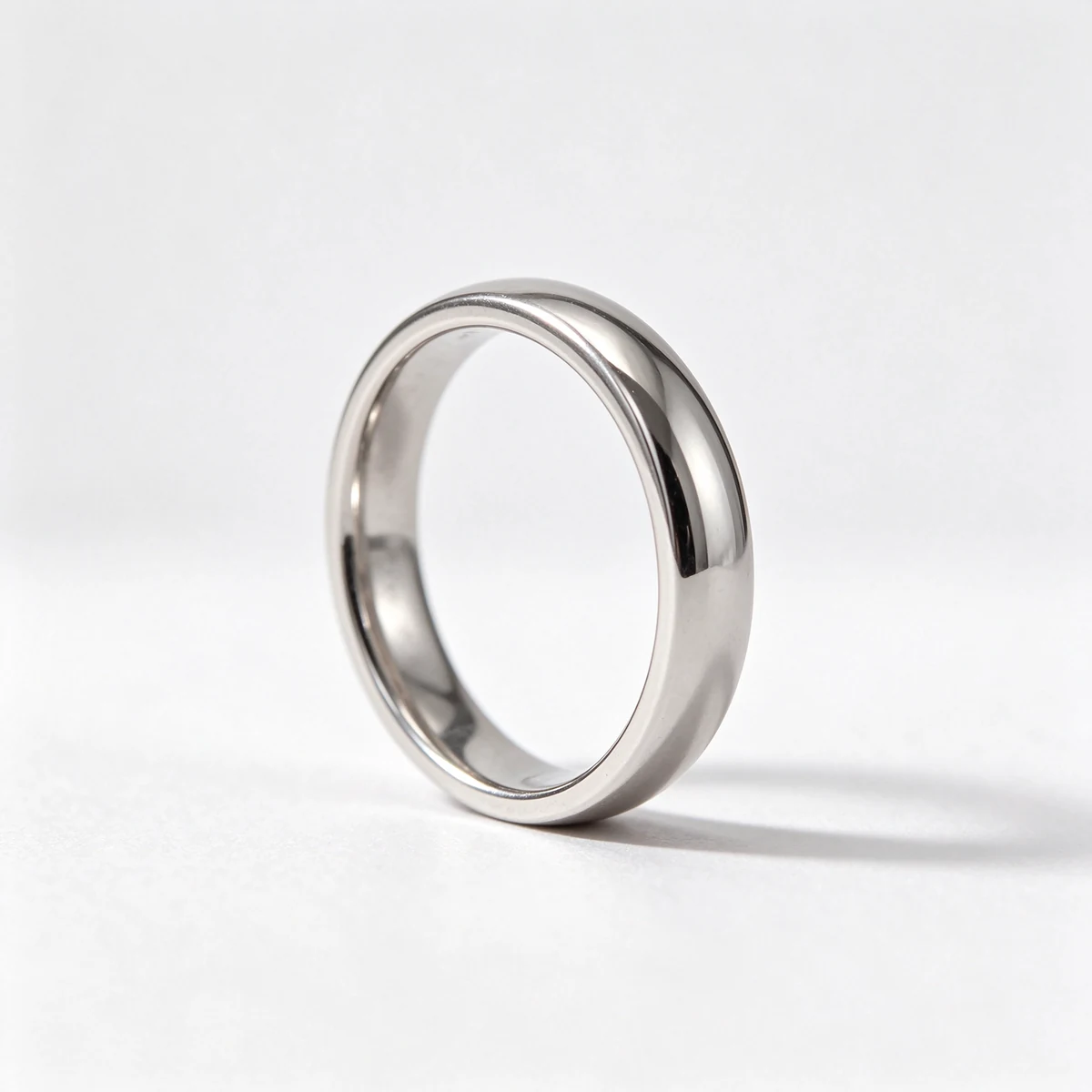
Reference designs in the range include Plain Comfort-Fit Wedding Band; Half Eternity Pavé Wedding Band; Curved Contour Wedding Band.
05What parity buys you
Fewer returns, fewer pre-sale questions, and a listing that survives a dispute. It also makes the category page trustworthy enough to carry the price point without a discount.
06Range snapshot: Wedding Bands by the numbers
| Dimension | Reading | Buying note |
|---|---|---|
| Designs on file | 4 | Shortlist can come from stock patterns |
Read the snapshot before the shortlist: a category that is narrow in metal but deep in cut behaves differently from one that is the other way round.
07Frequently Asked Questions
How often should listings be re-checked?
Whenever a design changes, and on a fixed cycle for the rest. Parity decays silently otherwise.
Is it acceptable to simplify stone descriptions?
Only if the simplified wording still states the origin. Simplifying the sentence is fine; removing the origin is not.
Who should own parity?
Whoever updates the catalog. If production changes a field, the page change belongs to the same task, not a later one.
Does parity affect SEO?
It affects trust and returns more directly, and inconsistent pages also tend to drift on the terms buyers search for.
What if the sheet itself is wrong?
Fix the sheet first, then the page. Copying a wrong sheet onto a page doubles the error.
If you want to work from the current range rather than from a catalog PDF, send the two price slots you sell and the size bands you stock. We will reply with the designs that fit, the build on each, and the reorder path. JewelF & Co. keeps the full range in one place.
The checklist below is the short version of everything above, and it is worth running before the quote rather than after the order.
Send a sketch or a photo — our setter will answer with stone options and a price band.
Talk to the atelier


