Wedding Bands Custom OEM Private Label: metal choice economics
Bench notes · The Journal
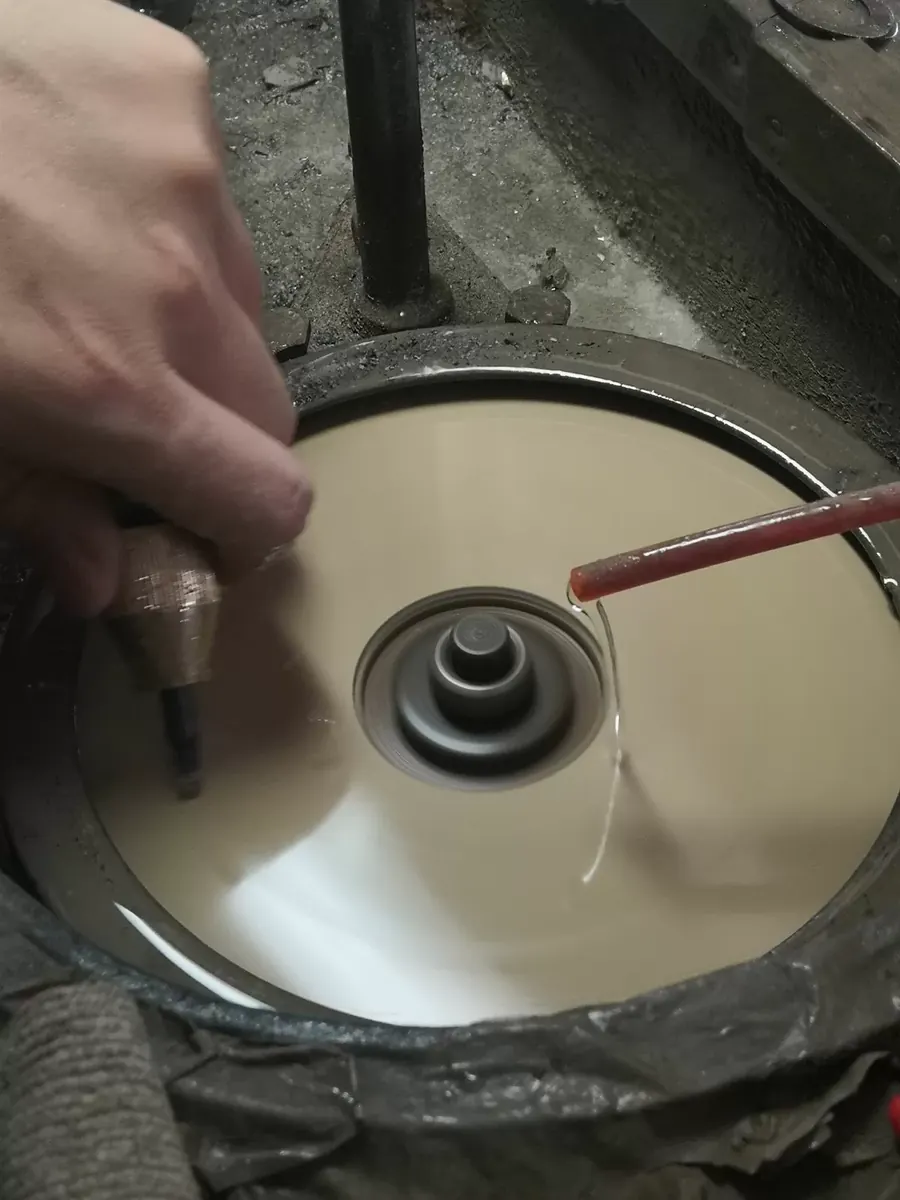
01Metal Choice Economics for Wedding Bands
When you’re planning a wedding band line, the metal you select drives almost every decision downstream. From the initial design to the last polish, cost‑savings hinge on the choice between 925 silver, 14k gold, platinum or lab‑grown diamond filtrations. Each has a different price point per gram, and because we control the full setting and polishing line, the margin advantage becomes tangible even on a single piece MOQ.
Our production holds a 12‑18 day cycle, but the key is the three‑stage QC – incoming stone check, in‑process inspection, and pre‑ship AQL. With GRA or IGI certificates available, the credibility of a premium metal like platinum or 14k gold is guaranteed, while 925 silver offers a lower cost yet still luxurious look for private‑label batches of 30 or more. The decision sets the tone for pricing, lead time expectations, and ultimately the product’s place in the market.
02Silver vs. Gold: Cost vs. Perceived Value
925 silver is the most accessible metal for a custom OEM batch. Its raw material cost is roughly one third that of 14k gold, giving you a pricing floor for entry‑level private‑label lines. Because we own the polishing machinery, the yield on silver settings remains high, and the 20% better first‑pass yield translates to fewer re‑works and lower overall cost.
Gold, especially 14k, carries a higher intrinsic value and a consumer perception of luxury. The material cost is about three times that of silver, but the distribution margin can be steeper if positioned as a premium offering. For batches of 30, the per‑unit cost drops enough that the added marketing spend is justified by higher retail prices. Always weigh the material cost against the target price point and the country of sale to determine the optimal balance.
03Platinum: Ultra‑Premium, Ultra‑Selective
Platinum’s scarcity and weight give it the highest per‑gram price among metals used in wedding bands. For boutique private‑label clients looking for an ultra‑exclusive line, platinum offers a unique selling proposition. The metal’s density also means a heavier band, which many couples associate with durability and prestige.
Because platinum is heavy, it demands a more meticulous polishing process, but our in‑house setting line reduces the labor cost typically borne by external providers. With an MOQ of 30 for custom orders, the scale economy can be achieved, and the final price can be kept competitive with high‑end brocade brands. Platinum lines also benefit from higher margin potential, which can buffer the longer lead times associated with sourcing rare metal.
04Lab‑Grown Diamond Co‑Processing for Value Enhancement
Incorporating lab‑grown diamonds into a custom wedding band design can offset metal costs. The diamond’s value is primarily driven by cut and clarity, while the metal forms the setting. By choosing a lower‑grade metal such as 925 silver and pairing it with a high‑clarity lab‑grown stone, you can offer a perceptibly high‑end product at a modest price point.
This strategy is especially effective for private‑label partners targeting the US and EU markets, where consumers increasingly prefer ethically sourced stones. The laboratory certification (GRA or IGI) adds credibility, and the production lead time of 12‑18 days remains the same because the stone is pre‑cut and ready for setting at the factory.
05ROI Analysis for Private‑Label Wedding Bands
To calculate return on investment, begin with the metal cost per gram, add the polishing and QC overhead, then factor in the MOQ. Table 1 below shows a quick comparison for typical batches of 30 rings.
| Metal | Cost per gram (USD) | Polish & QC per ring (USD) | Estimated Production Cost per Ring (USD) |
|---|---|---|---|
| 925 Silver | 0.90 | 3.00 | 12.30 |
| 14k Gold | 2.70 | 4.00 | 18.70 |
| Platinum | 5.00 | 5.50 | 27.00 |
06Strategic Pricing and Distribution Tips
07Frequently Asked Questions
What is the minimum order quantity for custom wedding bands?
The MOQ is 30 pieces for custom orders, enabling you to keep production efficient and cost‑effective. For stock items, we accept single‑piece orders.
How long does it take from order to delivery?
Our production window is 12‑18 days, with DDP delivery to the US taking 5‑8 days after shipment clears customs.
Can I get a sample before placing a large order?
Yes, we accept PayPal for sample orders and provide a 30% T/T deposit for larger batches. Samples are produced within 10 days.
Ready to explore a custom wedding band line that balances metal choice economics with premium quality? Contact us for a quote or to request samples.
Send a sketch or a photo — our setter will answer with stone options and a price band.
Talk to the atelier


