Sterling Silver vs Gold for Custom Work: An Atelier's View
Bench notes · The Journal
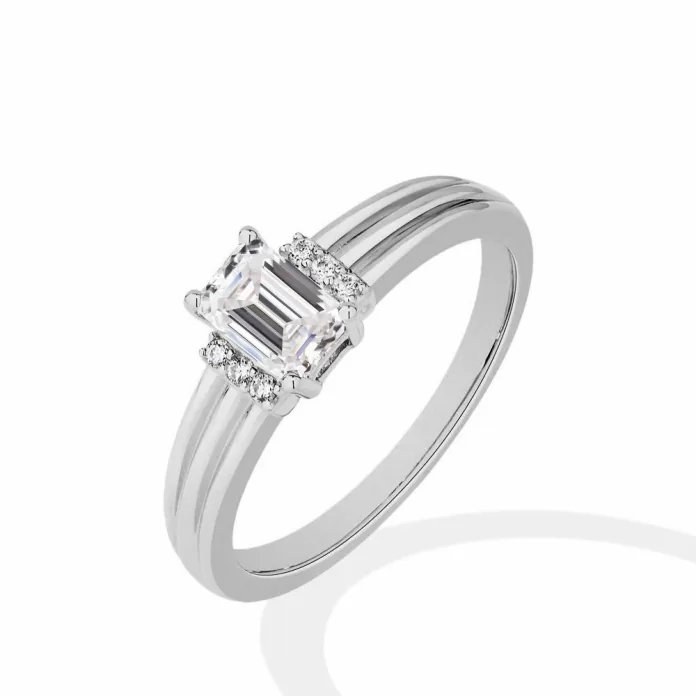
01Silver is a material, not a discount gold
A common framing treats sterling silver (ISO 925 sterling silver standard) as the budget version of gold. In a custom atelier they are two different tools. Silver (92.5% fine silver alloyed with copper) casts with excellent detail, takes a brilliant polish, and is forgiving at the bench. Gold - 10k, 14k, or 18k - is denser, slower to tarnish, and built for a piece that is meant to be worn for decades. Choosing between them is a decision about the intended life of the piece, not about price alone.
02How they behave at the bench
Casting and detail
Sterling flows very well into investment, which is why it is the standard for prototype and limited-run fashion jewelry: fine filigree, textured surfaces, and sculptural forms reproduce crisply. Gold casts well too, but platinum and the higher karats need more controlled temperature. For an intricate custom model, silver is often the fastest, cleanest first pour.
Setting stones
Silver is softer, so prongs bend more easily under daily knocks and wear thinner faster. That is fine for occasional-wear fashion pieces and low-impact studs, but a daily-wear ring carrying a center stone should be set in karat gold, where prongs hold their shape for years. If a client loves the look of a silver finish on a high-wear ring, the honest answer is a gold piece plated to match, not a silver shank.
Tarnish and upkeep
Sterling tarnishes; that is chemical, not a flaw. It polishes back in seconds, but a client who wants a piece that stays bright in a drawer or a boutique display without periodic attention will be happier in gold. White gold and silver look similar, but white gold is rhodium-dipped and stable; silver darkens on its own schedule.
03When silver is the right call
04When gold is the correct base
Daily-wear rings, engagement and wedding pieces, heirloom commissions, and anything set with a center stone that must last a generation belong in karat gold. The price delta is real, but it is a durability decision: a gold shank can be resized and refinished for decades, while a silver daily ring will thin, dent, and tarnish on a much shorter clock. We walk buyers through the metal choice on every commission; see the options on our custom design page.
05The middle option: gold over silver
Vermeil - thick gold plating over sterling - sits between the two. It gives the gold look at a silver price, and for a fashion piece or a short-run collection it is a legitimate choice. The caveat is that plating wears: high-friction points, the back of a ring or the post of an earring, show silver underneath in months. Vermeil is not gold, and it should not be sold or worn as if it were. For a daily-wear ring, choose solid gold; for a seasonal pendant, vermeil is honest and affordable.
06What the karat numbers mean at the bench
Within gold itself, 10k, 14k and 18k trade off hardness against richness. Higher karat is softer and more colorfully yellow; lower karat is harder and better for thin settings. An atelier builds to the karat that matches the design - a delicate filigree shank wants the strength of 14k, while a bold signet can carry 18k's warmth. This is a design conversation, not a status choice, and it changes how the piece wears over a decade.
For boutique buyers, the metal choice also sets the price tier on the retail floor. A sterling line opens the door to first-time buyers; a solid-gold private-label ring serves a different client. There is no reason a house cannot offer both - the design language stays consistent, the material signals the price point, and the buyer self-selects.
One more bench note: silver can be cast and set faster and at lower risk than platinum, which makes it the sensible material for a first prototype. We regularly build a silver model of a gold commission so the client can hold the weight and the proportions before the precious metal is poured. If an atelier never offers that, it is usually because they are ordering from a catalog rather than building from a model.
Pick the metal for the life you expect the piece to live. Silver is not a compromise - it is the right material for the right design, and the wrong one for a ring meant to outlive the decade.
07Related Reading
08Frequently Asked Questions
How do I prevent sterling silver from tarnishing in storage?
Use anti-tarnish bags with a sulfur absorber, keep humidity under 60% and avoid paper wrapping. Rhodium plating adds a further barrier on high-turn SKUs.
Is rhodium plating worth the added cost?
Yes for display and gift lines. It resists tarnish for 12–18 months and keeps shelf pieces bright, which reduces markdowns.
What purity do you supply?
925 sterling silver, stamped and hallmarked. Fine silver (.999) is available for beads and bullion-style pieces.
What is the MOQ and lead time?
50 pieces per design, samples 3–5 days, bulk 15–20 days.
Send a sketch or a photo — our setter will answer with stone options and a price band.
Talk to the atelier


