Sentimental Jewelry: Turning Meaning Into Something You
Bench notes · The Journal
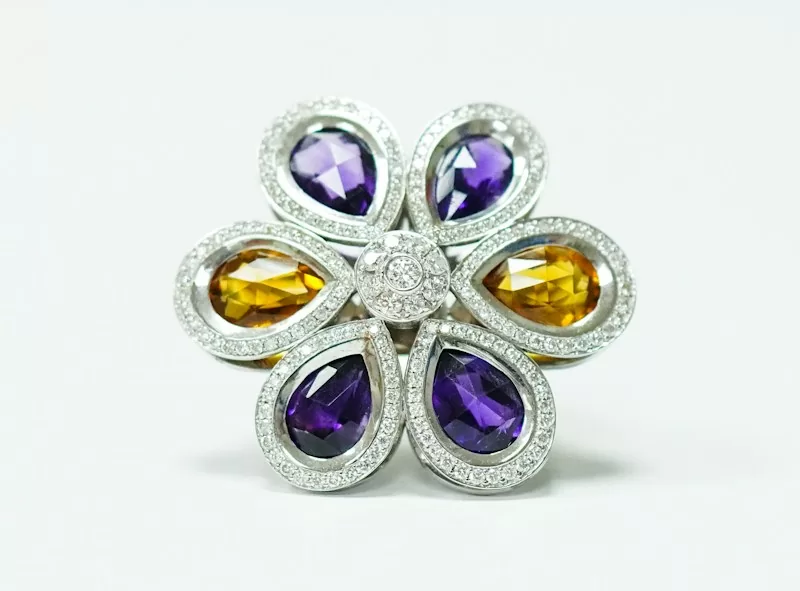
The most meaningful pieces we build are not the new engagement rings. They are the ones that start in a small box on our bench: a grandmother's engagement ring that has been sitting in a drawer for ten years, a stone from a piece that broke, a wedding band from a parent who passed. These are pieces with a story, and the people who bring them in almost always say the same thing: "I want to wear it, but I never wear this style."
That is the job. We take the meaning out of the drawer and turn it into something the person will actually put on every morning. It is the work I love most at the bench, and I want to walk you through how it actually works, because the possibilities are wider than people think.
01What you can reuse
Almost anything can be reborn into a new piece. The most common starting points:
The point is not to preserve the old piece as a museum object. It is to keep the things that matter - the stone, the metal, the engraving - and wrap them in a design the person actually wants to wear.
02The design decisions that matter
When we start a sentimental piece, the first question is not "what do you want it to look like?" It is "what will you actually wear?" If the person never wears rings, we build a pendant. If they wear a watch every day, we build a bracelet. If they like small studs, we turn a stone into earrings. The piece has to fit a real routine, or it ends up back in the drawer.
We also talk about how much of the original to keep. Some people want the old stone in a brand-new setting, fully modern. Others want a nod to the original design - a similar profile, the same engraving on the inside. Both are valid. The piece should feel like the old meaning in a new life, not like a copy.
03The honest trade-offs
A few practical notes. Reusing old gold is beautiful, but the metal sometimes needs refining, and the karat might be lower than you think. A ring stamped "14k" might actually be 10k when tested, and we will tell you before we build. Reusing a stone is almost always possible, but very old stones sometimes have damage from decades of wear, and we will show you what we see before we set it.
If you are thinking about a sentimental rebuild, our breakdown of what custom jewelry costs helps you understand the labor involved, and our guide to picking the right metal explains the options when you are working with reused gold. The process is gentle, and we walk through every decision before we cut, melt, or set anything.
04Why it matters
The pieces we build from old jewelry are the ones customers come back to tell us about. The woman who wears her grandmother's diamond on a pendant, twenty years after the grandmother passed. The man who turned his father's wedding band into a signet ring. The mother who set each child's birthstone into a piece she wears daily. These are not luxury purchases. They are memory translations, and they are the most satisfying work we do.
05What it costs and how long it takes
A rebuild like this usually lands in the $400 to $1,200 range, depending on the new design and how much new metal or stone we have to add. Reusing the stone and the existing gold keeps the cost down, because the most expensive part of a new piece - the materials - is already there. The labor is in redesigning and re-setting, and that is where the care goes. Timeline is typically two to four weeks, because we want to show you wax renders and talk through the design before we commit metal.
We also do the honest thing at the start: we test the old gold, inspect the old stone for damage, and tell you what we are working with before we quote. Sometimes the old stone is in better shape than expected. Sometimes it has a chip that we have to design around. Either way, you know going in, and the final piece is built around what you actually brought us, not around what we hoped it was.
If you have a box of meaning sitting in a drawer, you do not have to keep it there. Bring the pieces in, tell us the story, and let us turn it into something you wear. The meaning was never in the old setting. It was in the stone, the metal, and the memory. We just help it come out of the drawer and onto your skin, where it belongs.
The Wikipedia entry on engagement rings gives an independent overview of engagement ring traditions and settings.
06Frequently Asked Questions
How do I verify a factory before placing a bulk order?
Request a production video, business license, export records and a paid sample run. A factory that accepts a 50-piece test order is usually a real manufacturer.
What payment terms do you offer?
30% T/T deposit with the balance against the bill of lading. This protects both sides on first orders and can move to net terms after a track record.
What is your normal reject rate?
3–5% under 10x loupe inspection for cast and set pieces. Defective units are replaced free in the next shipment.
Where is the factory located?
Wuzhou, Guangxi, China—the core lab-grown and moissanite manufacturing cluster. Shipments go via Guangzhou or Shenzhen ports.
Related reading: Handwriting Jewelry: Turning a Note Into a Pendant, Turning Heirloom Jewelry Into a Brand-New Ring, Turning a Ring Into a Necklace: When It Makes Sense.
Send a sketch or a photo — our setter will answer with stone options and a price band.
Talk to the atelier


