Semi-Precious Stones for Custom Rings: A Buyer's Honest
Bench notes · The Journal
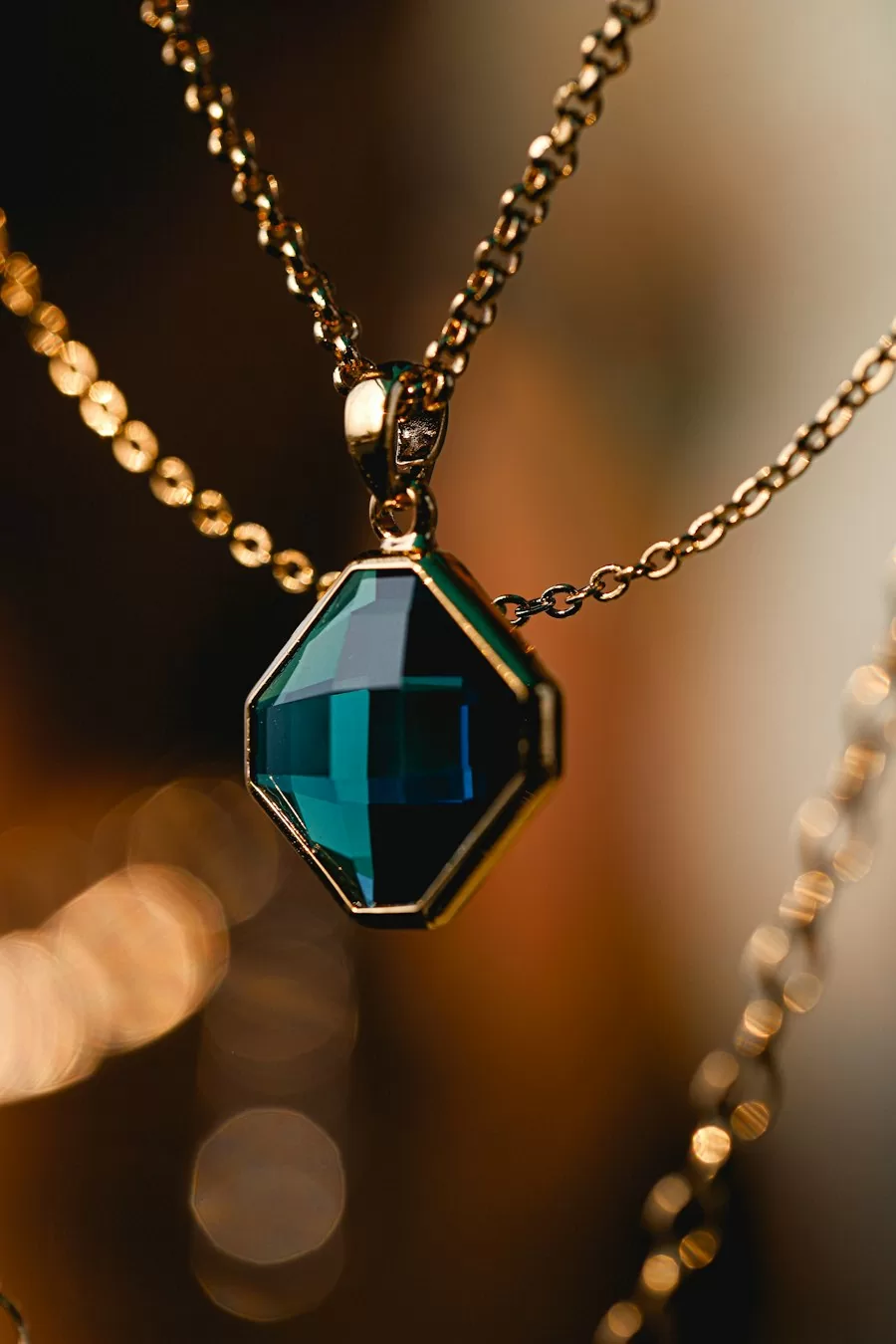
The word "semi-precious" does a lot of damage. It lumps jade, amethyst, garnet, aquamarine, and peridot into a single drawer of the jewelry store, as if they were all the same kind of material with the same rules. They are not. Some of these stones are hard enough to live on a finger for fifty years. Others will scratch in a week and crack if you look at them wrong. If you are designing a custom ring and you want color, the decision is not "diamond or not." It is "which stone actually fits the life I live."
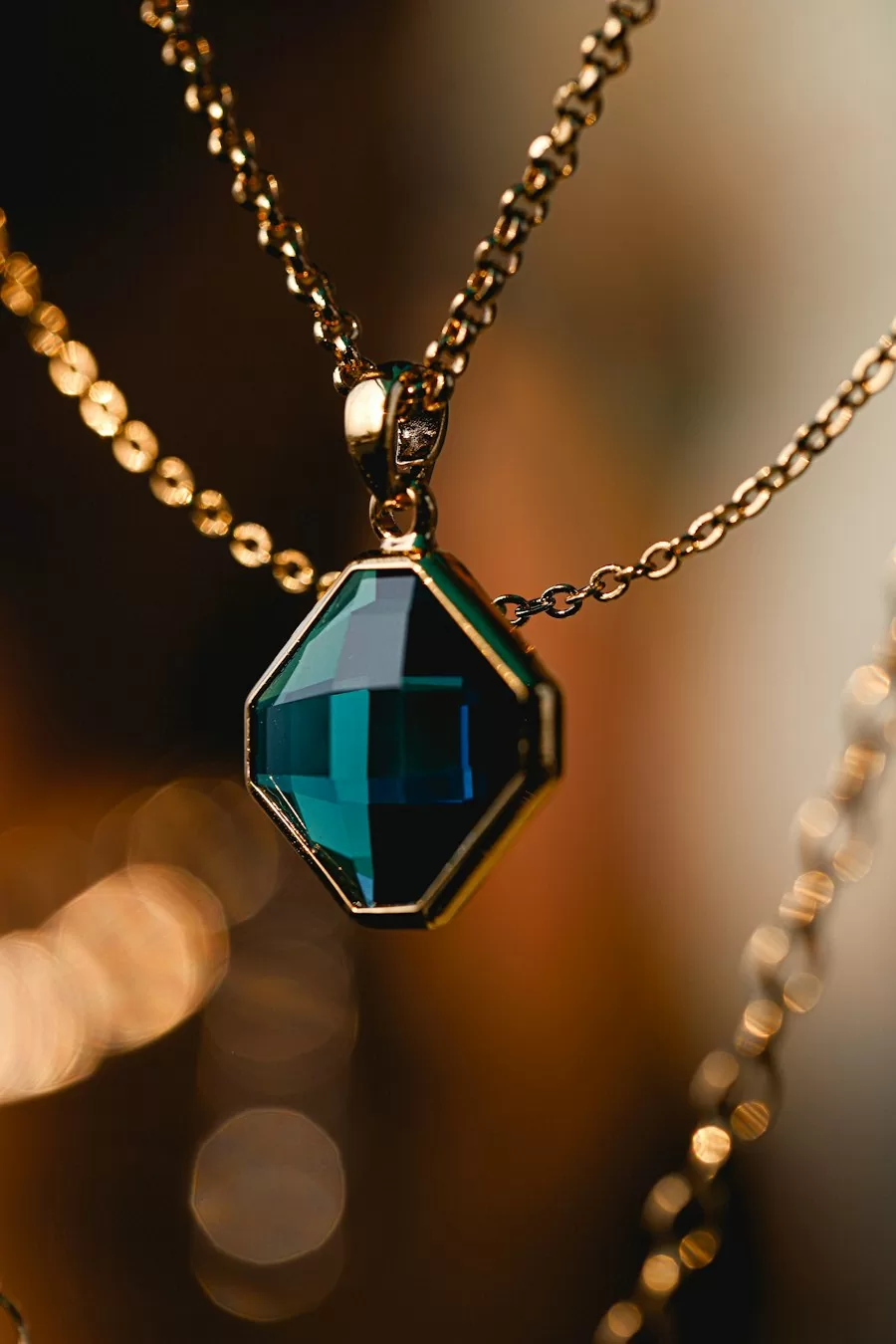
01Hardness is the number that decides everything
The Mohs scale is not a rating of beauty. It measures how easily a stone scratches, and on a finger that contacts desks, door handles, and car doors all day, scratching is the main enemy. A diamond sits at 10. A sapphire or ruby sits at 9. Those two survive daily wear with almost no consideration. Topaz, aquamarine, and garnet land between 7.5 and 8, which is workable for everyday rings as long as the setting protects the edges. Amethyst and citrine sit around 7, which means they will scratch if they are bumped against concrete or keys. Opal, pearl, and turquoise sit below 5, and they belong in pendants and earrings—not on a hand that types for a living.
We cover the same durability math in our hardness and daily wear guide, and the principle is identical: choose the stone for the finger, not the other way around.
02The workhorses: sapphire, ruby, spinel
If you want a colored stone that you never have to think about, sapphire is the default choice. It comes in every color except red—red corundum is ruby—and the non-blue ones (teal, padparadscha orange, deep green) are where the custom ring business has exploded in the last decade. We go deep on this in our custom sapphire engagement ring guide. Spinel is the quieter cousin: it looks like ruby but costs a fraction of the price, and it sits at 8 on the Mohs scale, which is more than enough for daily wear.
03The beauties with caveats: emerald, aquamarine, topaz
Emerald is the most requested colored stone after sapphire, and it comes with real caveats. Most emeralds are oiled to fill fractures, and the oil dries out over years, which means the stone needs re-oiling as maintenance. Its hardness is around 7.5, but its cleavage means a hard knock can split it. An emerald belongs in a protective bezel or halo setting, not in a high four-prong solitaire. We explain the related setting choices in our bezel and prong guide.
Aquamarine and topaz are friendlier. They are hard enough, they take a clean faceted cut, and they read as elegant in a way that photographs beautifully. The caveat is color saturation: cheap aquamarine looks like pale water. The good stuff is a deep teal that costs real money, and the jump in price between "light" and "deep" is steep.
04The budget picks: garnet, amethyst, citrine, peridot
These stones are the gateway into colored-gem design because a 2-carat garnet costs a fraction of a 2-carat diamond, and the result looks deliberate rather than compromised. Deep red rhodolite garnet, in particular, has become a staple in custom right-hand rings. Amethyst and citrine read as cheerful and work well in three-stone designs where the center is a more durable stone. Peridot is the trickiest: its color is gorgeous but it is sensitive to acids, sweat, and sudden temperature changes, so it is a Friday stone rather than a Monday-through-Friday stone.
05Treatments matter more than the stone name
Most commercial colored stones are treated in some way. Sapphires are heat-treated to deepen color. Emeralds are oiled. Topaz is irradiated to turn blue. The treatment is not a dealbreaker, but it changes how you care for the piece. An irradiated blue topaz can fade in strong sunlight over years. An oiled emerald needs re-oiling. A heat-treated sapphire is stable forever. Ask the factory which treatment the stone you are buying received, and get it in writing on the invoice. We cover the related habit of verifying materials in our recycled gold verification guide—the principle is the same: get the paperwork.
06Setting style follows the stone
A fragile stone wants a bezel. A durable stone can handle prongs. A stone with visible cleavage wants a halo that protects the corners. When you build a custom ring, the factory designs the setting around the stone rather than dropping a stone into a stock setting, which is the main reason custom rings wear better than retail pieces. Tell the manufacturer how you live—desk job, garden work, gym every morning—and they will point you to the combination of stone and setting that actually survives. The result is a ring with color you chose on purpose, on a hand that will not wear it out.
The International Gem Society moissanite guide explains how moissanite performs in daily wear compared with diamond.
07Authoritative References
For buyers who need to verify the technical and regulatory basis of this guide, the following independent institutions publish authoritative reference data:
08Related Reading
09Frequently Asked Questions
What ring sizes can you supply in bulk?
US sizes 5–12 including half sizes. Send a size breakdown with your order and we cast to that curve; comfort-fit inner bands reduce resize requests.
Can I order a mixed size run instead of one size?
Yes. Mixed runs are standard for wholesale: specify quantity per size and we pack and label by size at no extra labor cost.
What is the MOQ for custom ring designs?
50 pieces per design for existing molds; 100–300 pieces when a new mold or CAD model is required.
How should I price rings for retail margin?
Most partners use a 3–4x markup on FOB cost for sterling and 2.5–3x for moissanite solos, which keeps landed cost under 30% of retail.
Send a sketch or a photo — our setter will answer with stone options and a price band.
Talk to the atelier


