Why Sapphire Is a Smart Custom Engagement Ring Center
Bench notes · The Journal
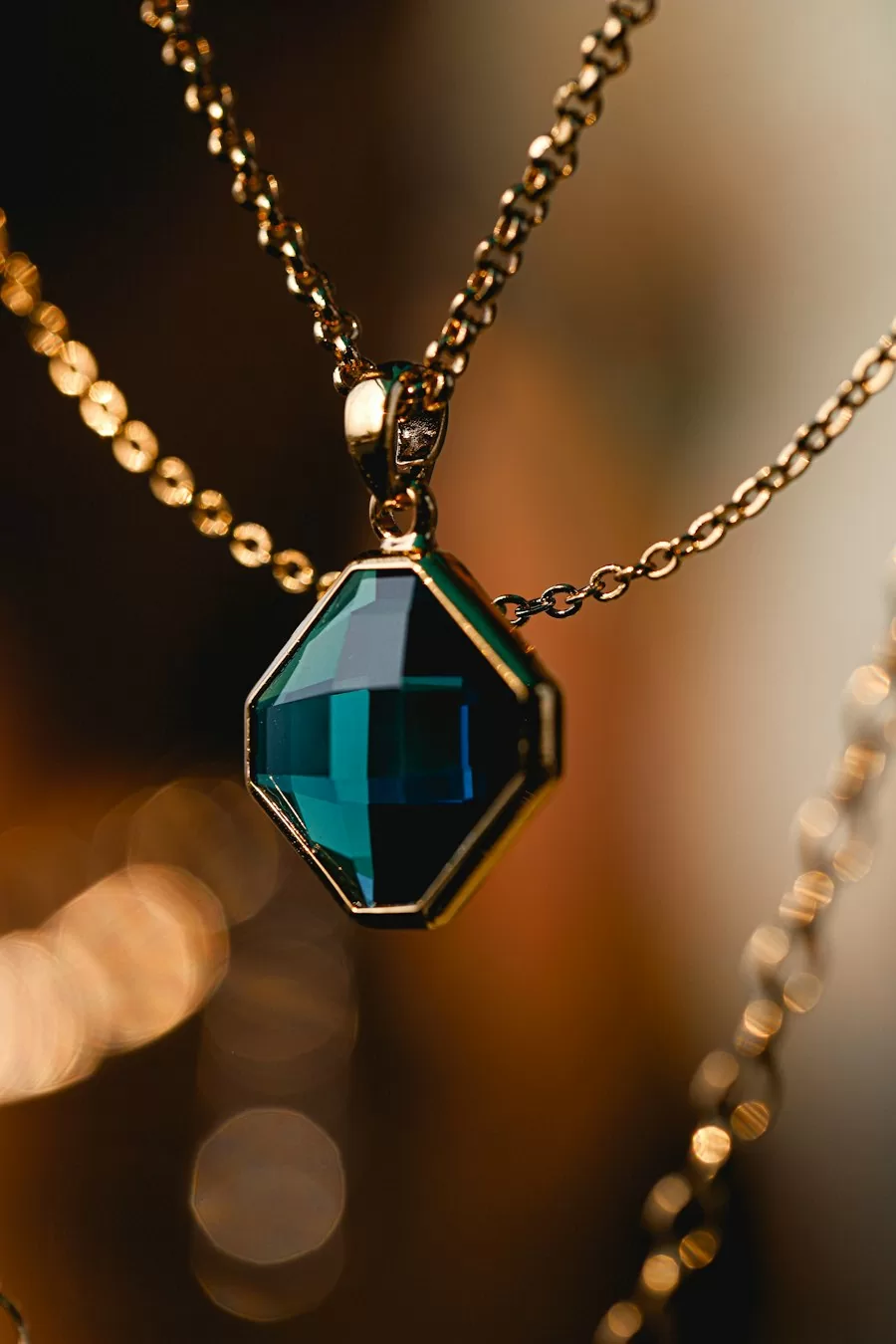
When people shop for a colored center stone, they usually start with the look. Blue like the ocean, pink like a sunset, yellow like champagne. That is a fine place to begin, but the more important question is whether the stone will survive thirty years of daily wear. On that test, sapphire belongs in the conversation right next to diamond.
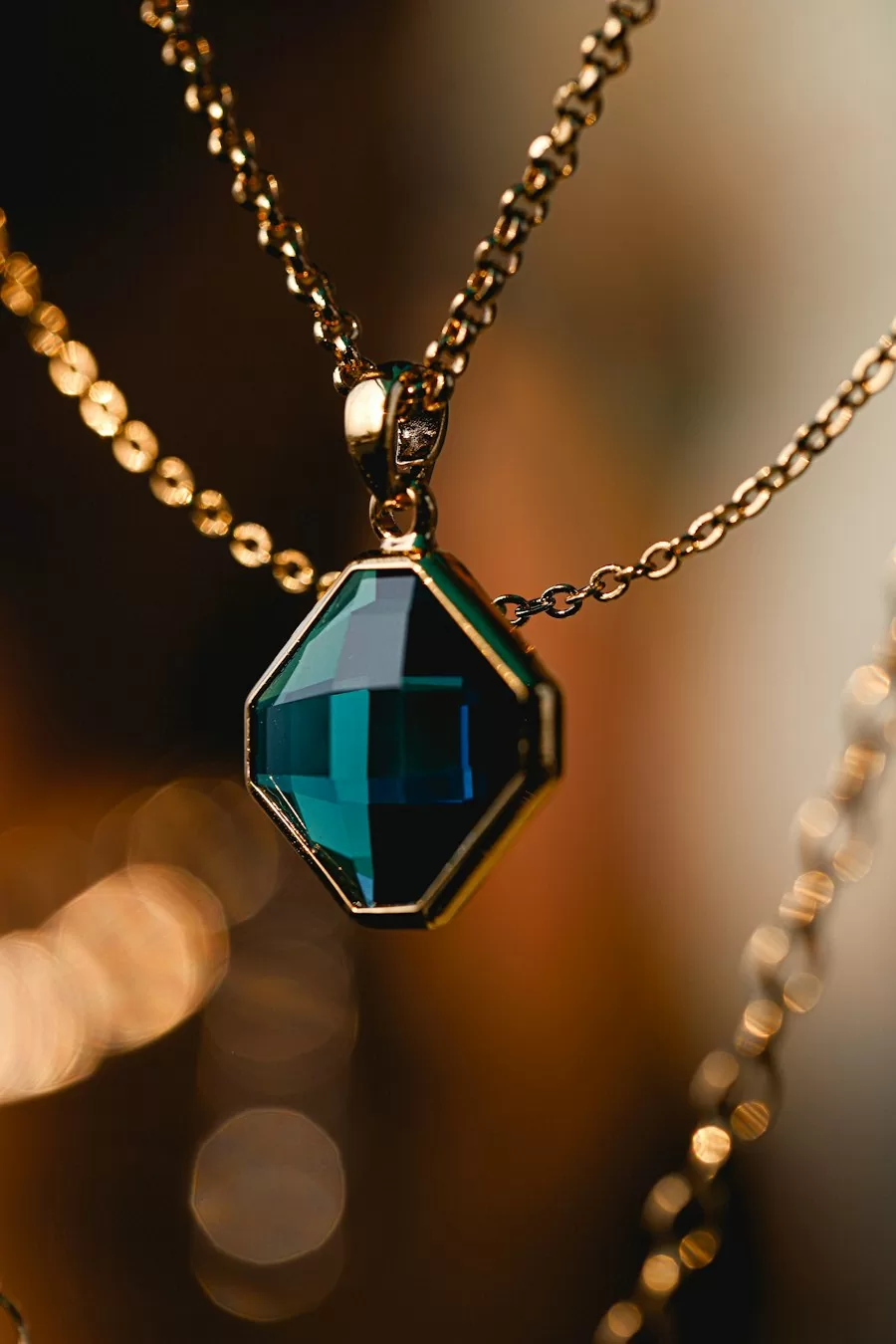
01Hardness that matches a daily ring
Sapphire scores 9 on the Mohs hardness scale. Diamond is 10, and nothing else in common jewelry sits above 9. That means sapphire resists scratching from keys, countertops, handbags, and the thousand small bumps a ring takes in a day. It is not scratch-proof—only diamond is—but it is close enough that an annual prong check is the only real maintenance.
Compare that to emerald, which is lovely but brittle, or opal, which is soft and sensitive. Sapphire lets you have color without treating the ring like museum jewelry. You can wash dishes, type, garden, and not live in fear.
02The color range is wider than you think
Most people picture royal blue when they hear sapphire. That is only one option. Sapphire comes in every color but red—red corundum is ruby. You will find padparadscha, a peachy-pink that commands premium prices; pale yellow that reads like champagne; lavender that shifts in indoor light; and near-colorless white sapphire that offers a diamond-adjacent look without diamond cost.
Color is where custom design helps. A stone that looks too dark in a jeweler's case may glow beautifully in a prong setting with a little light from below. Your setter can angle the stone and choose a gallery that opens light through the culet, which changes how a dark sapphire reads on the hand.
03Carat and clarity behave differently
Sapphires are graded differently than diamonds. Clarity matters less because fine silk inclusions inside a sapphire can actually soften and spread light rather than block it. Heat treatment is standard and accepted; untreated stones are rare and priced accordingly. When you buy a sapphire for a custom ring, ask whether it has been heat-treated and expect the answer to be yes for nearly everything under a sensible budget.
Carat weight also behaves differently. A sapphire of one carat often looks larger than a diamond of the same weight because sapphire is denser and cut with deeper pavilions. Talk to your setter about the actual millimeter dimensions rather than the carat number when you are matching it to a setting.
04Setting a sapphire for real life
Sapphire handles prong and bezel settings equally well. Because it is tough, it tolerates everyday prong wear better than softer stones. That said, a custom setting should still protect the girdle—the edge where the crown meets the pavilion. A slightly raised bezel or a four-prong setup with well-shaped seats prevents chipping on impact.
If you lead an active life—gym work, rock climbing, gardening—ask your designer to build a lower profile. A sapphire sits nearly flush in a bezel and barely catches on anything. You get the color without the height that makes solitaire diamonds catch sweaters and door handles.
05The cost math favors sapphire
A fine blue sapphire in a one-to-two-carat range costs a fraction of what a comparable-quality diamond of the same weight costs. That gap lets you spend more on the setting, the metal, or a matching band. Many couples land on a sapphire center stone precisely because it redirects budget toward a design they will look at every day rather than toward a certificate number they cannot see.
Sapphire is not a compromise stone. It is a deliberate choice for people who want color, durability, and a piece that reads as theirs the moment they put it on.
06Pairing sapphire with accents
A sapphire center stone pairs beautifully with small diamond or sapphire accents on the sides. The contrast between the colored center and white diamond shoulders makes the blue read deeper, not lighter. For a more unified look, set tiny blue sapphires in the band so the whole ring reads as a single composition rather than a stone dropped on a band. Avoid pairing sapphire with other colored stones of similar saturation, like ruby or amethyst, unless you want a very deliberate multicolor statement; the eyes struggle to find a center when two strong colors sit side by side.
One practical note: sapphire's deep blue can photograph darker than it appears in person. When you review CAD or wax models, ask for a photo of the actual stone under daylight LED, not just in the display case. Indoor lighting can make a bright Ceylon sapphire look almost black, and daylight reveals its true color. Your setter can angle the pavilion slightly to catch more natural light when they set it.
The Gemological Institute of America’s gem encyclopedia is an authoritative, widely cited reference on moissanite and diamond quality factors.
07Related Reading
08Frequently Asked Questions
What ring sizes can you supply in bulk?
US sizes 5–12 including half sizes. Send a size breakdown with your order and we cast to that curve; comfort-fit inner bands reduce resize requests.
Can I order a mixed size run instead of one size?
Yes. Mixed runs are standard for wholesale: specify quantity per size and we pack and label by size at no extra labor cost.
What is the MOQ for custom ring designs?
50 pieces per design for existing molds; 100–300 pieces when a new mold or CAD model is required.
How should I price rings for retail margin?
Most partners use a 3–4x markup on FOB cost for sterling and 2.5–3x for moissanite solos, which keeps landed cost under 30% of retail.
Related reading: Designing a Custom Engagement Ring: A Step-by-Step Roadmap, Custom Moissanite Engagement Ring Manufacturing: OEM Bulk Production, Custom Engagement Ring Manufacturing: How an OEM Factory Builds Your D.
Send a sketch or a photo — our setter will answer with stone options and a price band.
Talk to the atelier


