My Ring Spins Around My Finger: Fit Fixes Without Sizing
Bench notes · The Journal
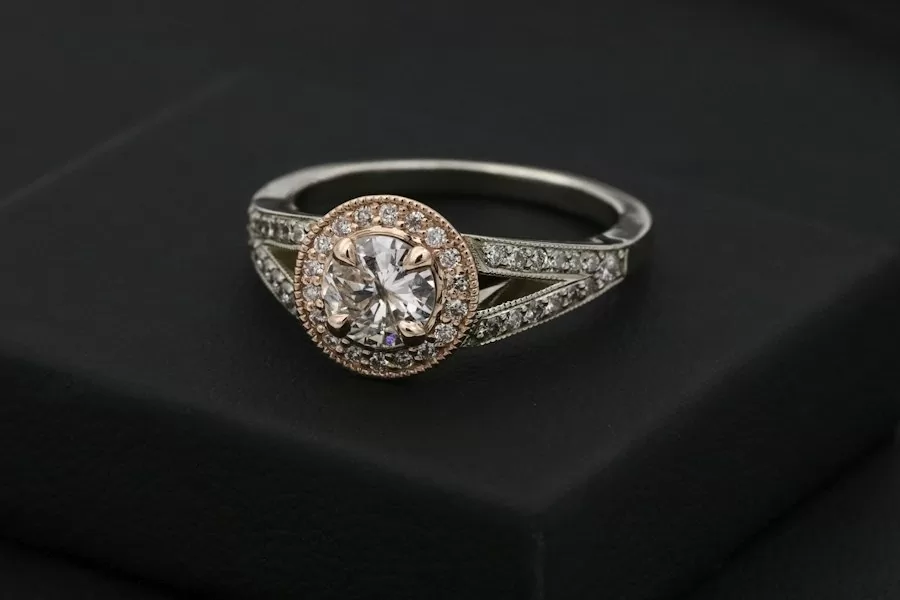
You glance down and your engagement ring has done a half-turn again, the stone now facing your palm. A spinning ring looks like a small annoyance, but it is a real problem: every rotation drags the prongs against surfaces, and a stone that flips into your palm takes knocks you never see. The instinct is to size the ring smaller, but that often backfires, especially if your ring spins because your knuckle is larger than your finger base. There are gentler fixes.
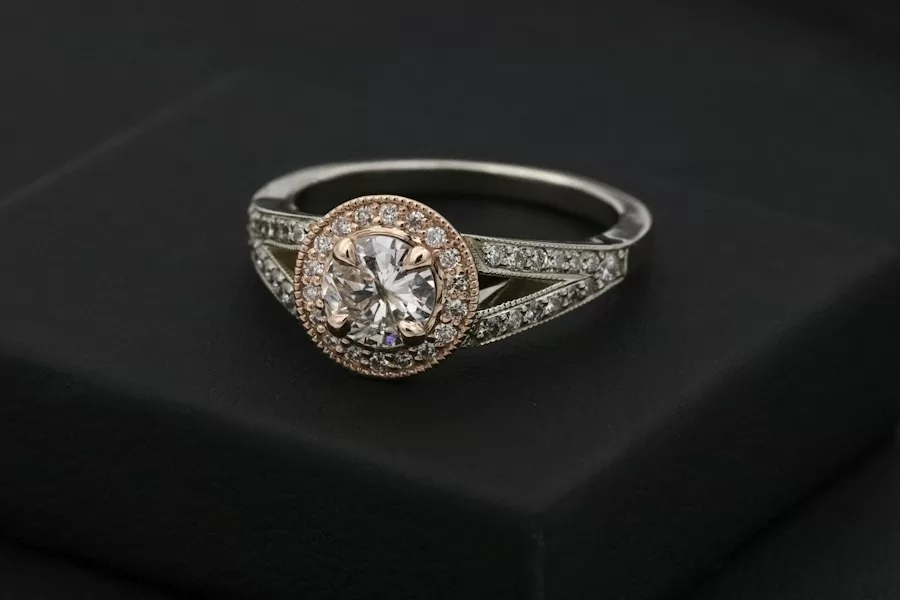
First, understand why it spins. If the ring passes easily over your knuckle but wobbles below it, the cause is a mismatch between knuckle width and finger base. Sizing the whole band down means the ring will not clear your knuckle at all - the classic trap. The better solution is to add weight or friction inside the band rather than reduce its circumference. This is the core of our guide to fitting rings over wide knuckles.
Sizing beads are the most common fix. Two small gold or platinum beads are soldered to the inside of the band on either side, sitting snug against the finger. They fill the empty space without shrinking the ring, and they can be removed later if your finger changes size. They are barely noticeable once worn and are far less invasive than cutting the shank. Many people also add them so a heavy top-heavy ring - one with a large stone - sits level instead of tipping forward.
An inner ring guard or insert is a removable alternative. These small sleeves fit inside the band and add friction without any soldering, which makes them useful if you are pregnant, between sizes, or testing a fit change. They are not as elegant as a permanent fix, but they are reversible and cheap. Avoid tight spiral wraps or plastic adjusters that sit against the stone - they can trap moisture and irritate the skin over a long day.
Check the band profile. A wide, flat band on a narrow finger is more likely to pivot than a slim rounded band. If you are designing a ring from scratch, choosing a band width that matches your finger shape prevents the spin before it starts. For an existing ring, switching to a comfort-fit interior or slightly rounding the edges can reduce the wobble.
Do not ignore the snagging angle. A ring that flips can catch on sweaters and hair, and repeated catching is how prongs loosen. Read our note on why rings catch and how to prevent it - often a quick prong retip solves both the spin-related wear and the catch. And think twice before resizing repeatedly; each adjustment weakens the shank, which is why we cover the limits of repeated resizing.
When the spin is severe, a jeweler may recommend rebuilding the shank or adding a slight contour inside the band. This is more involved than beads but is still reversible compared to a full resizing down. Bring the ring in, wear it for a day so the jeweler can see how it actually moves, and describe whether the problem is tipping, full rotation, or both.
Sometimes the spin is really a weight problem disguised as a size problem. A ring with a large center stone is top-heavy by nature and tips forward no matter how it fits, because the stone's weight pulls it around. In that case the fix is balance, not size: adding small weight to the opposite side of the band, or choosing a setting that sits lower and flatter. A jeweler can tell the difference between a ring that is loose and one that is simply unbalanced, and the right fix depends on which you have.
Watch for the seasonal signal. A ring that spins only in summer but fits fine in winter is telling you that your true size sits between two marked sizes, not that the band is wrong. Do not rush to add beads or resize based on one hot afternoon. Wear the ring through a full season before committing to a permanent fix, because a reversible insert lets you test the feel at different times of year. If the spinning persists across seasons, then a permanent solution like sizing beads is the right call.
Whatever fix you choose, ask whether it can be reversed. Sizing beads, inner sleeves and contour adjustments are all designed to come off later, so a change in your finger size does not mean a ruined band. Avoid anything permanent that alters the shank itself unless the spin is truly unfixable.
A ring should sit still enough that the stone faces forward. Use sizing beads or inserts to fill the gap instead of shrinking the band, and you will protect both your comfort and your prongs.
The history and conventions of engagement rings are outlined in the Wikipedia entry on engagement rings.
01Related Reading
02Frequently Asked Questions
What ring sizes can you supply in bulk?
US sizes 5–12 including half sizes. Send a size breakdown with your order and we cast to that curve; comfort-fit inner bands reduce resize requests.
Can I order a mixed size run instead of one size?
Yes. Mixed runs are standard for wholesale: specify quantity per size and we pack and label by size at no extra labor cost.
What is the MOQ for custom ring designs?
50 pieces per design for existing molds; 100–300 pieces when a new mold or CAD model is required.
How should I price rings for retail margin?
Most partners use a 3–4x markup on FOB cost for sterling and 2.5–3x for moissanite solos, which keeps landed cost under 30% of retail.
Send a sketch or a photo — our setter will answer with stone options and a price band.
Talk to the atelier


