Reviving a Family Heirloom Ring: Options and Limits
Bench notes · The Journal
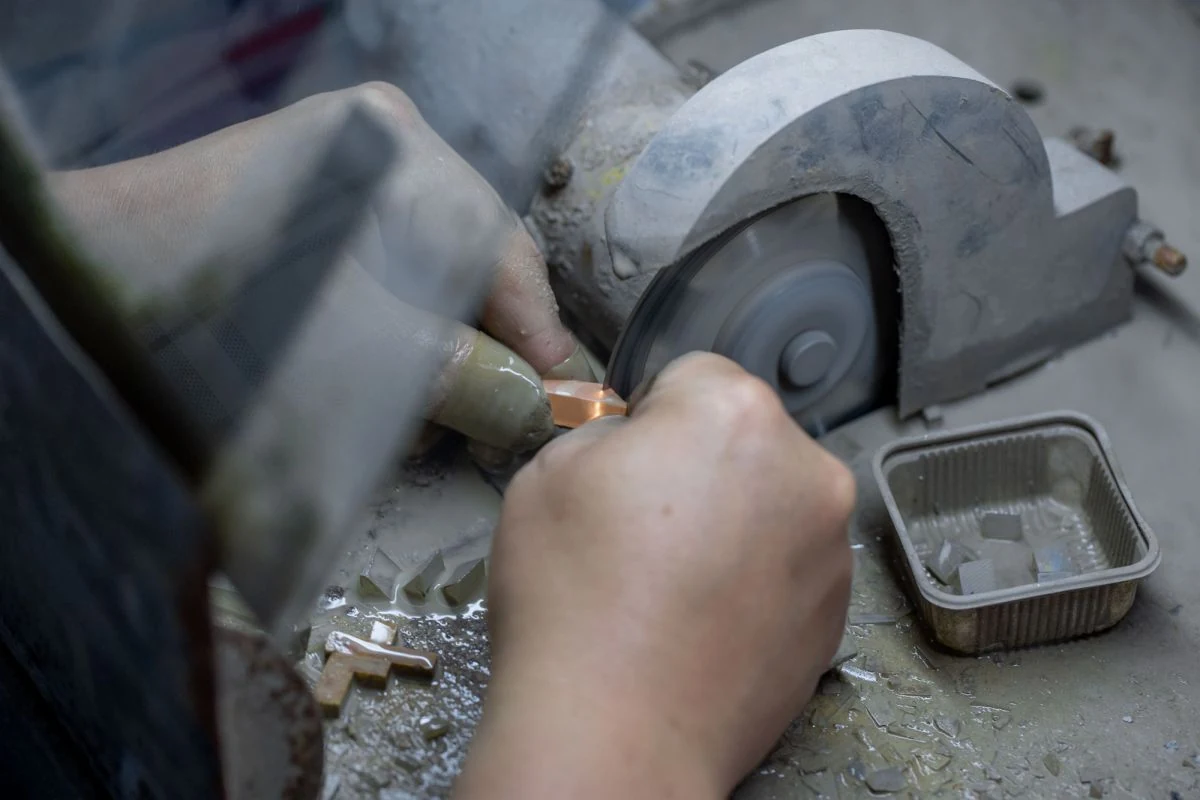
Heirloom rings come into the shop in a small cloth pouch, usually with a story attached. The story matters as much as the ring. My job is to balance what the ring means to you against what the metal and stone will physically allow. Sometimes we restore. Sometimes we redesign. Sometimes the honest advice is to leave it in the drawer.
01First, the inspection
Before we talk about anything else, I look at the ring under magnification. I check the prongs, the shank thickness, the stone condition, and any repairs that have already been made. A ring that has been resized three times, repaired with solder three times, and worn for sixty years may have thin metal that cannot simply be polished and worn again. The inspection tells us whether we are restoring a piece or rebuilding one.
02Option 1: Restore as-is
The cleanest outcome is when the ring is structurally sound and just tired. A thorough cleaning, a prong check, a fresh polish, and maybe a replating of white gold brings it back to life without changing anything. This is what I recommend first, because it preserves the ring exactly as the family knew it.
Restoration is also the cheapest option and the fastest. If the ring has sentimental value and no structural problems, do not redesign it. Wear it.
03Option 2: Resize and repair
The most common heirloom request is resizing. A ring that fit a grandmother at age 20 often does not fit a grandchild at age 30. Resizing works when the shank has enough metal and the ring has no stones that would crack under heat. Stones like emerald, opal, or certain older cuts may not survive the heat of a resize, and we have to remove the stone first or use a cold resize method.
Repairs go the same way: a worn prong can be rebuilt, a cracked shank can be patched, a loose stone can be re-set. Most damage is fixable, as long as the ring has not been repaired so many times that the metal is fatigued.
04Option 3: Redesign into a new setting
This is the option people usually want when they bring in a ring they love the stone of but not the setting. We lift the original stone out, and set it in a new, modern mounting of your choice. The stone - the part that carries the memory - stays. The setting, which was always just holding it, changes.
This is also the honest answer when the original ring is too delicate, too damaged, or simply not a style you will wear. A ring in a drawer honors nobody. A stone reset into a ring you wear every day keeps the family story alive on your hand. We talk about this kind of transformation in turning a ring into a necklace, which is the same logic applied differently.
05What we cannot save
There are limits. A stone with a deep internal crack that is spreading cannot be "healed." We can set it carefully, but we cannot make it stronger. A shank that has been patched three times may need to be rebuilt from scratch, which means the original ring is, in a real sense, gone. A diamond with a chip at the culet can be repolished, but that removes weight and changes the stone slightly.
I tell customers these limits plainly. The goal is not to sell you a redesign. The goal is to get you a result you are not surprised by.
06When to leave it alone - or copy it
Sometimes the right answer is to not wear the original daily. A very old, very fragile ring is a museum piece, and putting it on a modern finger risks ending the story. In those cases, we talk about making a copy - a modern reproduction that you wear, while the original stays safe in a bank box or a drawer. We can match the silhouette, set a comparable stone, and give you a piece you can live in, while the heirloom itself is preserved. This is more common than you would think, and it is the most honest way to honor both the history and the stone. Before any work, we photograph the ring from every angle and record the story you tell us, so that history is documented even if the piece changes.
A practical note before any work: get the ring appraised and photographed first, even if you are not insuring it. We document the serial numbers, the measurements, and the condition, and you keep a copy. If the redesign changes the ring, that record is the only proof of what the original looked like. It takes an afternoon and saves a lot of arguments later, with yourself and with other family members who may have opinions about what happens to the piece.
If you are bringing in a family piece, the consultation process in what actually happens at a first custom design consultation applies, and the timeline in how long a custom ring takes will give you a realistic sense of when you will wear it.
The Wikipedia article on rhodium explains why rhodium plating is applied to white gold and silver jewelry.
07Frequently Asked Questions
What ring sizes can you supply in bulk?
US sizes 5–12 including half sizes. Send a size breakdown with your order and we cast to that curve; comfort-fit inner bands reduce resize requests.
Can I order a mixed size run instead of one size?
Yes. Mixed runs are standard for wholesale: specify quantity per size and we pack and label by size at no extra labor cost.
What is the MOQ for custom ring designs?
50 pieces per design for existing molds; 100–300 pieces when a new mold or CAD model is required.
How should I price rings for retail margin?
Most partners use a 3–4x markup on FOB cost for sterling and 2.5–3x for moissanite solos, which keeps landed cost under 30% of retail.
Related reading: A Bent Ring Shank: Repair Options and What They Cost, Ring Resizing Limits: How Far Up or Down Can a Band Actually Go?, Designing a New Piece Around a Family Heirloom Stone.
Send a sketch or a photo — our setter will answer with stone options and a price band.
Talk to the atelier


