Setting a Client-Supplied Stone in a New Custom Ring
Bench notes · The Journal
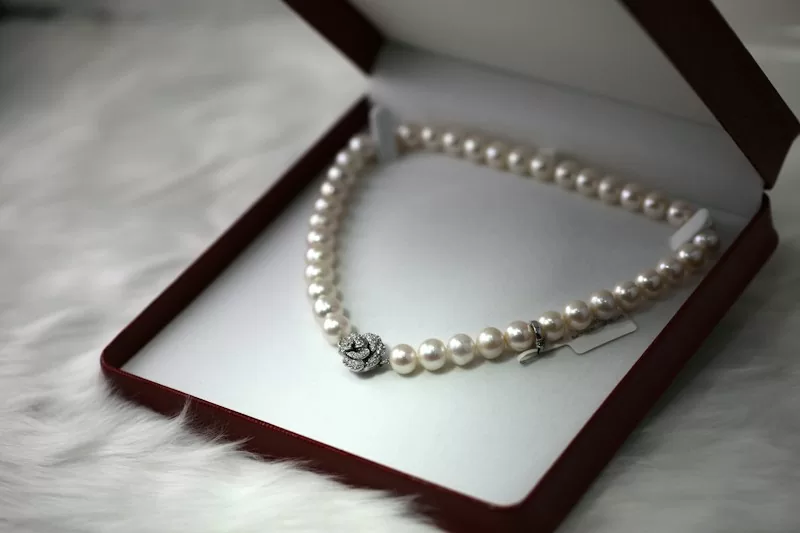
A boutique in Portland sent us a customer's 0.9 ct round diamond in a taped paper packet, with a note: set it in a bezel, same as the photo. The stone turned out to be an old European cut with a slightly chipped girdle. We photographed it under 10x, flagged the chip, and adjusted the bezel to cover it. That is the job when you set a client-supplied stone: the stone is the variable, and the setting is engineered around it, not the other way around.
01Receiving and documenting the stone
Before any CAD work, we inspect the stone under 10x magnification and record its measurements: diameter, depth, table percent, girdle thickness, and any chips or abrasions. For colored stones we also note culet condition and pavilion angle, because a steep pavilion sits high and changes the overall ring profile. We photograph the stone on a white glove with a measurement scale and email it back to the boutique for sign-off. This step takes an hour and prevents 90 percent of the stone looks smaller arguments. If the client has a grading report, we cross-check the measurements against it; for diamonds we use the IGI or GIA report dimensions as the master, and we explain the seat geometry in prong seat detail for custom diamonds.
02Designing the setting around the stone
A customer-supplied stone is rarely a catalog size. An old European cut, a cushion with a thick girdle, or a sapphire with a steep pavilion all need a custom seat. We model the head in CAD so the girdle sits exactly at the desired height, usually about 0.8 mm of prongs visible above the girdle for a solitaire. The shank width is then set to balance the head: a 6.5 mm stone on a 2 mm shank looks top-heavy, so we widen the shank to 2.5 mm and taper it at the shoulders. We also decide on prong count early. Four prongs maximize light entry; six prongs are safer for a stone with an existing chip. The full range of options is in gemstone setting types.
03The setting and safety step
Once the ring is cast and finished, the setter cuts the seat by hand with a bud burr, checks the stone sits level, then burnishes the prongs over the girdle. We test the seat with a wooden stick before committing: the stone should not rock. After setting, we check for side play under loupe and give the prongs a final burnish. For any stone with a known chip, we tuck the prong tip over the damaged edge so the chip is protected, not exposed. We also keep the original stone's paper trail with the job folder so the boutique can return the exact same stone if the customer changes their mind.
04Insurance and what to tell the customer
Because the stone is the customer's, we always recommend the boutique have it appraised before and after setting, and that the setting fee is insured separately from the stone. We provide a setting invoice with the stone's recorded dimensions so the jeweler who later services the ring knows exactly what is in the head. For clients who want to swap stones later, our exchange policy notes are in stone exchange and upgrade policy.
We also photograph the ring from four angles once the head is modeled, so the boutique can see how the customer's stone will sit relative to the shank before anything is cast. That preview catches the common surprise that a deep pavilion sits lower than expected and makes the ring look bulkier from the side. When that happens, we raise the head or thin the shank before the resin print, not after. The goal is that the customer picks up the finished ring and says it looks exactly like the photo, not closer but smaller or higher.
Can you set a stone my customer bought online?
Yes, as long as it arrives in its sealed packaging with the report. We inspect and photograph it before opening the packet on camera, then confirm dimensions with you before CAD.
What if the stone has a chip I did not tell you about?
We photograph it and propose a setting that covers the chip, usually a bezel or an extra prong. We never set a chipped stone without written sign-off on the modified design.
Do you charge extra for customer-supplied stones?
The setting fee is the same as for a stone we source, but there is a small handling fee for inspection, photography and insurance paperwork. It is listed separately on the quote.
Can I supply the stone and leave the sourcing of the band to you?
Yes, that is our most common reset order. We source the alloy, design the head around the customer's stone, and return the finished ring with the original stone verified inside.
We handle customer-supplied stones daily, with on-camera inspection and a signed-off seat before casting. If your boutique offers reset commissions, ask about our private-label custom manufacturing program and we will build a stone-handling SOP into your orders.
05Frequently Asked Questions
What ring sizes can you supply in bulk?
US sizes 5–12 including half sizes. Send a size breakdown with your order and we cast to that curve; comfort-fit inner bands reduce resize requests.
Can I order a mixed size run instead of one size?
Yes. Mixed runs are standard for wholesale: specify quantity per size and we pack and label by size at no extra labor cost.
What is the MOQ for custom ring designs?
50 pieces per design for existing molds; 100–300 pieces when a new mold or CAD model is required.
How should I price rings for retail margin?
Most partners use a 3–4x markup on FOB cost for sterling and 2.5–3x for moissanite solos, which keeps landed cost under 30% of retail.
Send a sketch or a photo — our setter will answer with stone options and a price band.
Talk to the atelier


