Replating vs Rebuilding a Custom Silver Piece
Bench notes · The Journal
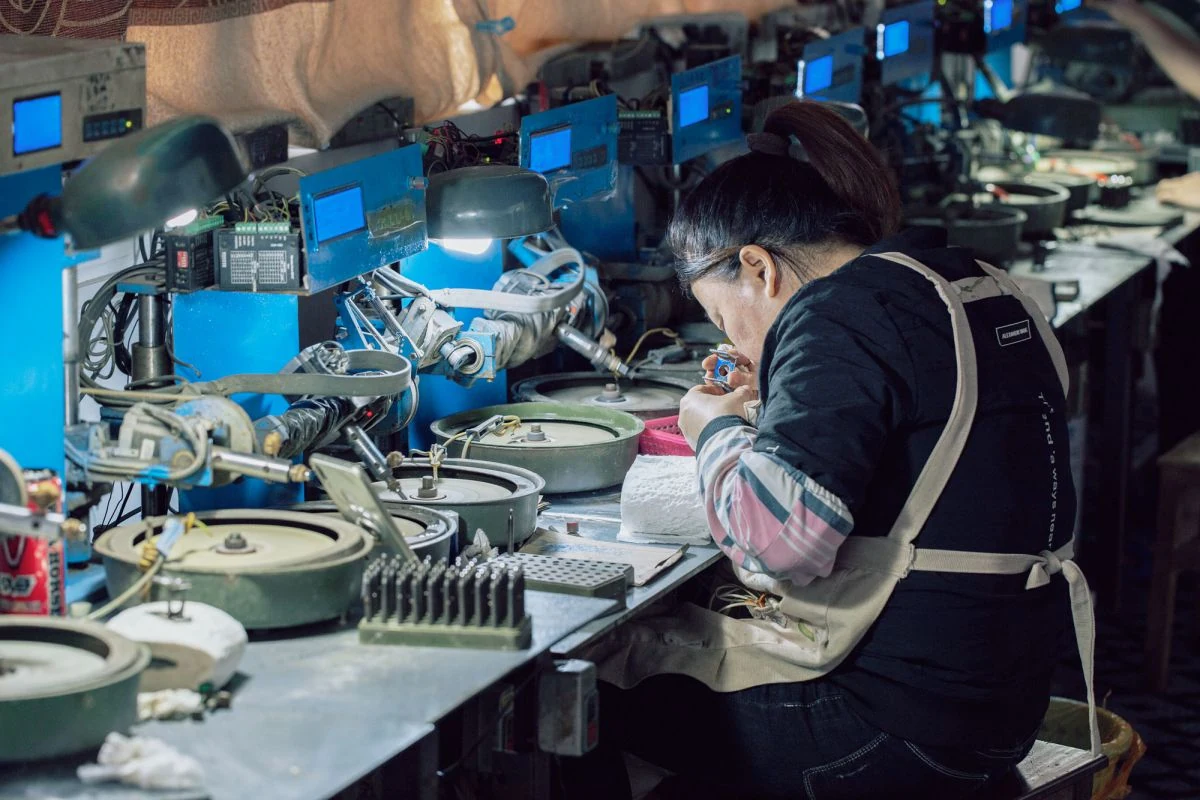
A boutique sent us a three-year-old sterling silver charm bracelet that had gone gray in patches and lost its shine. They asked us to just dip it again. We tested the silver under a magnifier and found a cracked jump ring, a worn-through spot plating, and a bent clasp. A simple replate would have shipped back a bracelet that breaks in a month. This is the replating-vs-rebuilding call, and it is the one repair decision that decides whether a piece comes back or goes to the bench for a day.
01When replating is the right answer
Sterling silver, 92.5 percent silver and 7.5 percent copper, tarnishes because the copper reacts with air and sulfur. A thin flash of rhodium or fine silver plating slows that down and keeps the piece bright. Replating is the correct move when the base metal is sound: no cracks, no worn-through spots, no bent findings, and the piece just looks tired. We strip the old plating, clean the piece in ultrasonic, then apply a rhodium or bright-dip layer. It takes about two hours and costs a fraction of a rebuild. We explain the sterling standard itself on the Sterling silver Wikipedia reference, and we cover the broader repair line in in-house repair and replating.
02When rebuilding is unavoidable
If the base metal has failed, plating only hides the problem. Watch for four signals: a cracked or split band, usually from repeated bending; a worn-through spot where the plating has gone and the copper under-layer is showing as a red dot; a loose or stretched jump ring; a clasp that opens on its own. Any one of these means the piece needs soldering, rebuilding of the worn part, or a new finding before it is plated. We once rebuilt a silver ring by cutting out a cracked section, soldering in a new wall, re-rounding on a mandrel, and then polishing; a process that takes a full bench day but returns a piece that will last another five years. We tie this to our own bench process in workshop bench setup, because soldering silver requires a different flux and temperature than gold.
03The cost math and what to tell the customer
A replate runs roughly one-fifth of a rebuild. But shipping a cracked piece back with a fresh coat of plating is a guaranteed return, and it costs your boutique reputation. We photograph the failed areas and send the boutique a short note: this one needs a rebuild, not a replate, with the two quotes side by side. Most customers choose the rebuild once they see the crack under magnification. We also note that sterling silver pieces exposed to sweat, like bracelets and rings, will need replating every 12 to 18 months regardless; we build that expectation into care cards, which we package with the piece per our notes in packaging and presentation.
04Nickel and plating compliance
For pieces shipping to the EU, any plating that touches skin must respect the nickel release limits in the EU Nickel Directive. We use nickel-free rhodium baths for EU-bound repairs, and we stamp the piece appropriately. If the original piece was plated with a nickel bath in another country, we strip it fully before reapplying a compliant layer.
We also advise on storage between wearings, because the fastest way to age a silver piece is to leave it open in a bathroom drawer. Sulfur in the air is the driver of tarnish, so an anti-tarnish strip in the pouch buys months of brightness between replates. For boutiques, we supply those strips in the same packaging we use for new orders, which keeps the repair customer inside the same unboxing experience as a first purchase. See our notes on packaging and presentation for the strip and pouch combination we recommend.
How often should sterling silver be replated?
Every 12 to 18 months for pieces worn daily, sooner if they are exposed to sweat or perfume. A display piece may never need it.
Can you replate a silver ring that has a crack?
We can, but we advise against it. A crack will reopen through the plating. We rebuild the wall first, then plate. The difference in cost is small compared to the return risk.
Does replating wear off the engraving?
No, if the piece is stripped and replated professionally. Deep engraving stays legible; very shallow laser engraving may fill slightly and we re-cut it after plating.
What is the turnaround for a replate versus a rebuild?
A replate is about two working days. A rebuild with soldering and re-finishing is three to five working days, depending on how many parts need replacing.
We run both a replate line and a bench rebuild line for sterling silver custom pieces, with photo quotes before work starts. To offer a repair tier to your boutique customers, ask about our private-label custom manufacturing program.
05Frequently Asked Questions
How do I prevent sterling silver from tarnishing in storage?
Use anti-tarnish bags with a sulfur absorber, keep humidity under 60% and avoid paper wrapping. Rhodium plating adds a further barrier on high-turn SKUs.
Is rhodium plating worth the added cost?
Yes for display and gift lines. It resists tarnish for 12–18 months and keeps shelf pieces bright, which reduces markdowns.
What purity do you supply?
925 sterling silver, stamped and hallmarked. Fine silver (.999) is available for beads and bullion-style pieces.
What is the MOQ and lead time?
50 pieces per design, samples 3–5 days, bulk 15–20 days.
Send a sketch or a photo — our setter will answer with stone options and a price band.
Talk to the atelier


