Repairing a Custom Ring: What Can Be Fixed and How to Spec
Bench notes · The Journal
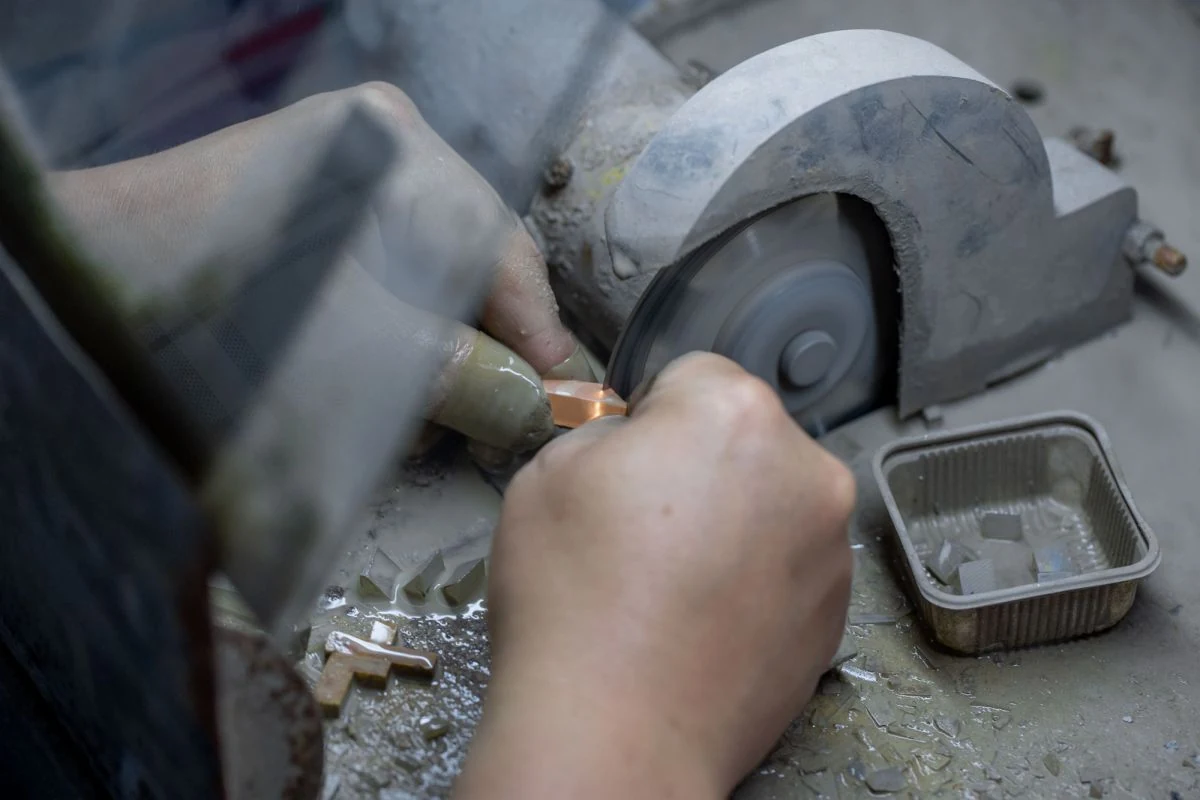
A custom ring is not a stock band with a generic size stamp, which is good news when it ages, and important when it needs repair. Because the geometry is unique, a repair done by a bench that only handles catalog pieces can erase the design details that made the ring special. The fix is usually straightforward, but it has to be specified with the original design in mind.
01The common repairs, ranked
The most frequent service on a daily-wear ring is loose or worn prongs. After years of catching on fabric, prong tips thin and bend. Re-tipping rebuilds the tip with matching gold or platinum and re-secures the stone. The second most common is a worn shank: the back of the band thins where it rubs against the finger. A re-shank replaces that section of the band with fresh metal, restoring thickness without rebuilding the whole ring. Both are routine and cost far less than a new commission.
02Sizing a custom ring
Stock rings resize by stretching or cutting the shank. A custom ring resizes the same way, but there are details to protect: sizing a pavé-set band can shift stones, so the bench should check and re-tighten every stone afterward. Rings with engravings around the shank lose part of the engraving if the size change is large. If the original design file still exists with the workshop, they can sometimes cast a new shank at the correct size rather than cut the existing one, which is a cleaner result and worth asking about before the torch comes out.
03Stone re-setting and replacement
If a center stone is chipped, a lapidary can often re-polish or re-cut it at a small loss of weight. If an accent stone is lost, the repair bench needs a matching stone in the right cut and calibrated size, which is another reason to work with a workshop that keeps calibrated inventory. Bezel and channel settings survive years better than prongs, so if a ring comes in repeatedly for loose stones, the right long-term fix may be re-setting it in a more protective style rather than re-tipping the same prongs for a third time.
04Finishing and patina
Custom rings often carry deliberate finishes: a satin band, an oxidized recess, a mix of polish and brush. A careless polish will burn these away, turning a nuanced design into a generic shiny ring. Before any repair, tell the bench exactly which surfaces are polished, brushed, or oxidized, and ask them to mask or protect them. Photos of the original piece help. If the workshop built the ring, they should still have the design file, which makes matching the finish far more reliable.
05When repair is not worth it
Most custom rings are worth servicing, but there comes a point where a rebuild is cheaper than another patch. If the shank is so thin that it has been re-shanked twice, if multiple stones need replacement at once, or if the design itself is damaged beyond a clean fix, the better answer may be to recast the same design in fresh metal using the original CAD file. A good repair bench will tell you this honestly rather than repeatedly patching a ring that should be rebuilt. Knowing the design file exists is what makes that option affordable.
06Between repairs: home care
The interval between services is mostly within the wearer's control. Avoid lotion, soap, and chemicals while wearing the ring, rinse it in warm water with a drop of mild soap to remove buildup under prongs, and store it away from other jewelry so harder stones do not scratch softer metal. A ring that is cleaned monthly loses less metal to hidden grit, and a ring that comes off before bed flexes its prongs less. These habits add years to the gap between service visits.
07What to ask before you hand it over
08Document the repair
After any repair, ask for a short note of what was done: the alloy added during re-tipping, the karat matched, and whether stones were re-set. This builds a service record that the next bench can read, and it proves the piece was maintained rather than neglected if it is ever resold or insured. Keep that note with the original grading report so the whole history lives in one place.
If a custom piece comes back repeatedly for the same failure, ask the workshop whether the original setting style is the problem. A more protective design may be the better long-term answer than another patch. For routine upkeep, see our care and cleaning guide.
The definition of carat weight and how it is measured are set out in the Wikipedia entry on carat weight.
09Related Reading
10Frequently Asked Questions
What ring sizes can you supply in bulk?
US sizes 5–12 including half sizes. Send a size breakdown with your order and we cast to that curve; comfort-fit inner bands reduce resize requests.
Can I order a mixed size run instead of one size?
Yes. Mixed runs are standard for wholesale: specify quantity per size and we pack and label by size at no extra labor cost.
What is the MOQ for custom ring designs?
50 pieces per design for existing molds; 100–300 pieces when a new mold or CAD model is required.
How should I price rings for retail margin?
Most partners use a 3–4x markup on FOB cost for sterling and 2.5–3x for moissanite solos, which keeps landed cost under 30% of retail.
Send a sketch or a photo — our setter will answer with stone options and a price band.
Talk to the atelier


