Promise Ring vs. Engagement Ring: How They Differ in
Bench notes · The Journal
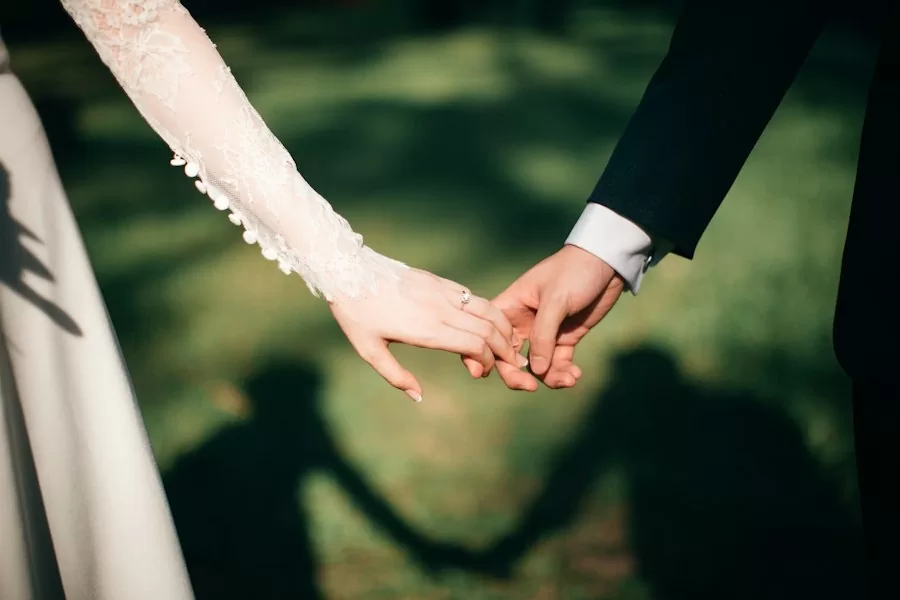
Promise rings and engagement rings are two pieces with a lot of overlap and a lot of misunderstanding. A promise ring is not a cheaper engagement ring, and an engagement ring is not a more expensive promise ring. They sit on different fingers, carry different expectations, and are designed around different daily workloads. If you are trying to decide which one to commission, understanding the design differences makes the choice much clearer.
01What each ring means
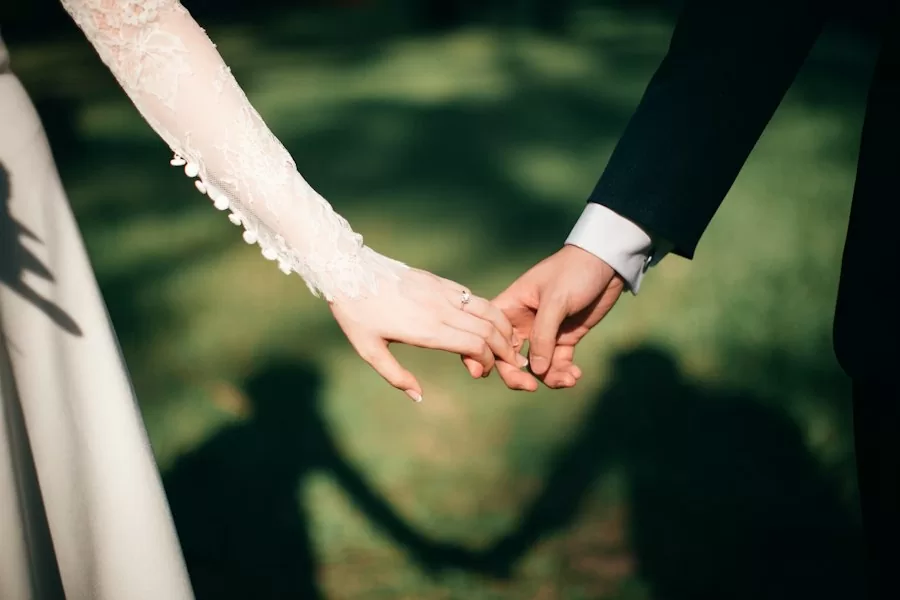
A promise ring is a commitment worn before or outside of an engagement. It can mark a serious relationship, a promise of future engagement, a friendship, or a personal vow. It is not a question being asked; it is a statement being made. An engagement ring is a specific proposal object, typically worn on the left ring finger, signaling an upcoming marriage. Because the meaning differs, the design language differs. Promise rings lean sentimental and understated; engagement rings lean ceremonial and often center a notable stone. We walk through the broader gifting side in jewelry gifting tips.
02Finger and hand placement
Promise rings are commonly worn on the right ring finger, on a necklace chain, or stacked on the index or middle finger, depending on the culture and the couple. Engagement rings go on the left ring finger, where they pair with a wedding band later. This matters for design: a promise ring built to be worn on a chain might not need the low, rugged setting that a left-hand engagement ring demands. We cover the necklace conversion thinking in turning a ring into a necklace if that is the plan.
03Stone choices scale to the meaning
Engagement rings usually center a single notable stone, with the setting built around protecting it through decades of hand use. Promise rings are free-form: a tiny diamond, a birthstone, a plain band engraved inside, a three-stone cluster that reads as a story rather than a proposal. There is no required "main stone" because the promise is emotional rather than ceremonial. That freedom is why custom promise rings are so popular; you can design something that looks like your relationship rather than like a catalog engagement set.
04Metal and setting for daily wear
Because a promise ring is often worn every day for years before any engagement, durability still matters. A soft, delicate high-karatage band on a thin shank will bend. We usually steer promise rings toward a durable karat (14K gold or platinum) and a modest setting that will not catch on clothing. If the promise ring is intended to become a stand-in for an engagement during long-distance or waiting periods, treat the setting like an engagement ring: low, secure, and easy to clean. Our notes on rings for active lifestyles apply directly here.
05Stacking and the future engagement ring
A thoughtful promise ring is designed to live alongside the future engagement ring and wedding band, not to compete with them. That means a band profile that sits flush against a future engagement setting, and a metal that either matches or intentionally two-tones with the eventual ring. Couples who plan ahead end up with a coherent stack; couples who do not end up with a promise ring that no longer fits once the engagement ring arrives. We discuss that harmony in matching and non-matching bands.
06Engraving is where the promise lives
Promise rings lean hard on inner-band engraving because the promise itself is personal. A date, coordinates, a short phrase, or a nickname inside the band turns a simple piece into something that only the two of you fully understand. We share wording ideas in ring engraving ideas. Because promise rings are not expected to carry a showy stone, the engraving often does the emotional work the way a center stone would on an engagement ring.
07Which one should you commission?
If the question is "will you marry me," design an engagement ring, center stone and all. If the statement is "I'm committed, and here is something to mark that," design a promise ring that suits her daily life, her preferred metal, and the finger or chain she will actually wear it on. Either way, the piece is stronger when it is custom because it reflects the relationship rather than a catalog. The point is not the price tier; it is that the ring matches the promise.
A promise ring and an engagement ring are two languages of commitment, and each has its own grammar. Get the design language right, and the ring means what it should for years before the next chapter begins. The goal is never to overspend; it is to let the piece quietly say what only the two of you already know.
The International Gem Society moissanite guide explains how moissanite performs in daily wear compared with diamond.
08Authoritative References
For buyers who need to verify the technical and regulatory basis of this guide, the following independent institutions publish authoritative reference data:
09Related Reading
10Frequently Asked Questions
What ring sizes can you supply in bulk?
US sizes 5–12 including half sizes. Send a size breakdown with your order and we cast to that curve; comfort-fit inner bands reduce resize requests.
Can I order a mixed size run instead of one size?
Yes. Mixed runs are standard for wholesale: specify quantity per size and we pack and label by size at no extra labor cost.
What is the MOQ for custom ring designs?
50 pieces per design for existing molds; 100–300 pieces when a new mold or CAD model is required.
How should I price rings for retail margin?
Most partners use a 3–4x markup on FOB cost for sterling and 2.5–3x for moissanite solos, which keeps landed cost under 30% of retail.
Send a sketch or a photo — our setter will answer with stone options and a price band.
Talk to the atelier


