Promise Ring vs Engagement Ring: What Actually Sets Them
Bench notes · The Journal
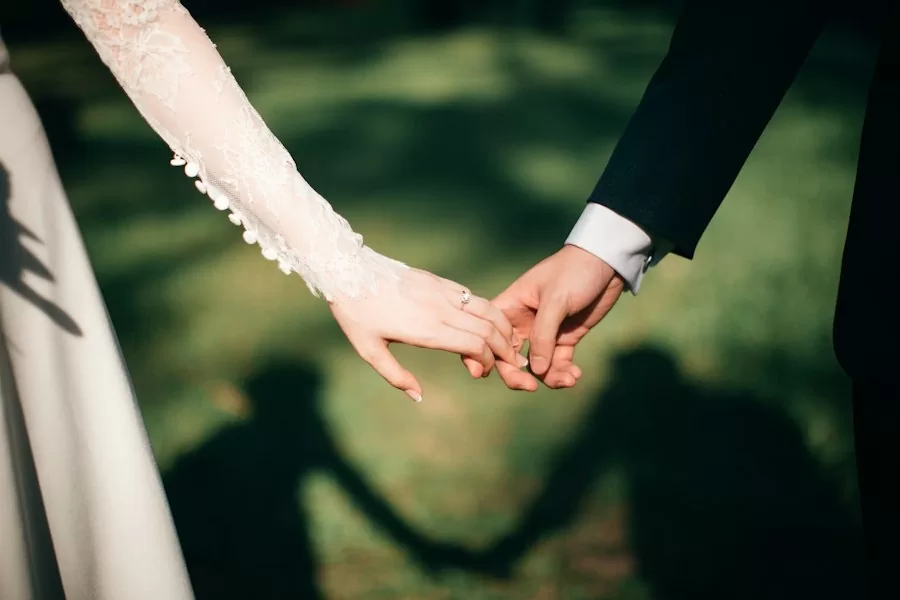
A promise ring and an engagement ring can sit on the exact same finger and look nearly identical to anyone glancing across a restaurant table. Yet they mean two very different things, and mixing them up is one of the most common mistakes couples make when they order from a custom jewelry shop. The difference is not really in the metal or the stone. It is in the weight of the promise, the budget behind it, and what you are signaling to the people who know you best.
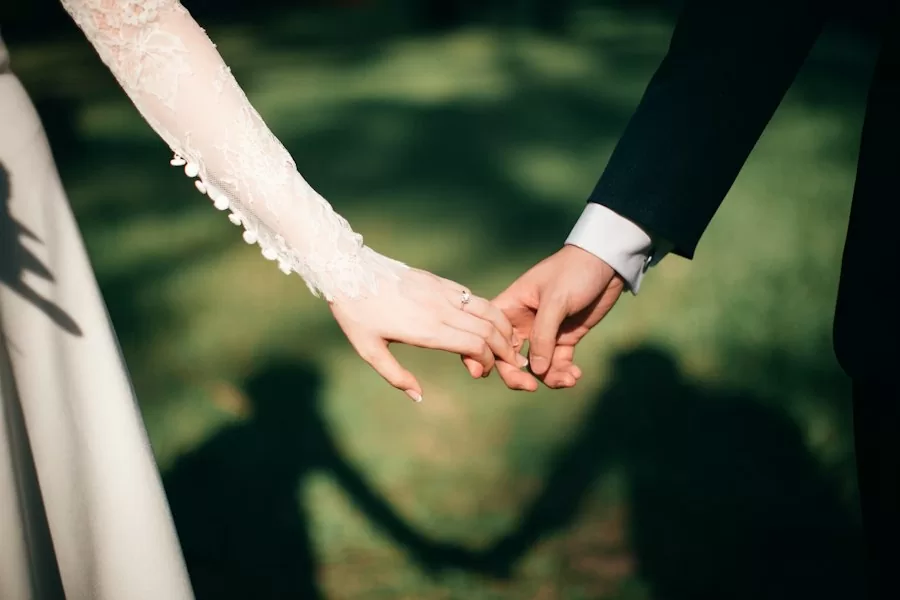
01What a promise ring actually promises
A promise ring is a vow of commitment that is not yet a proposal. It can mean exclusivity, a long-distance agreement, a religious pledge, or simply that two people see a future together but are not ready to close on a wedding. Because the meaning is flexible, the ring itself tends to be modest. It is something you can hand over on a random Tuesday without rearranging the furniture of your life.
Engagement rings, by contrast, are a formal step toward marriage. They come with expectations: a center stone, a specific finger, a conversation with parents, and often a budget that is planned over months. If you give someone a two-carat solitaire and call it a promise ring, you are not being generous. You are creating confusion about what comes next.
02How the budget typically differs
Factory-direct custom jewelry has changed the old rules about what each ring should cost. A decade ago, the "three months' salary" line was treated as law. Today, most couples who work with a manufacturer build a ring around a number that actually fits their lives rather than a rule invented by a diamond cartel. That said, the relative budgets still split along familiar lines.
A promise ring usually lands in the few-hundred-to-low-thousand range. It is often a slim band, a small accent stone, or a birthstone the wearer already loves. An engagement ring usually carries a larger center stone, a more durable setting, and a metal choice built for decades of daily wear. We walk through the real numbers in our guide to what custom jewelry actually costs, but the short version is this: spend on the ring that matches the promise, not the jewelry box you imagine buying next year.
03Design differences that read instantly
Promise rings tend toward quiet design: slim stacking bands, a single small stone flush in a bezel, a row of micro-pavé that catches light without shouting, or a signet-style band engraved with initials. They are designed to layer, which is why they pair so well with a future wedding band that slides in beside them.
Engagement rings read from across a room. They use a higher setting, a more visible center stone shape, and a profile that photographs well. The shape of the center stone is a deliberate choice because it changes how the ring is perceived, and nobody chooses a marquise for a promise ring unless they are quietly proposing.
04Which finger, which hand
This is the detail that causes real arguments. In the United States, an engagement ring belongs on the left ring finger. A promise ring worn on that same finger reads as a proposal whether you meant it that way or not. People who intend a promise ring usually wear it on the right ring finger, on a chain around the neck, or on the right index finger until the real proposal arrives.
If you are ordering a custom piece and the meaning matters, tell the jeweler exactly what the ring is for. A good factory will adjust the design language accordingly—thinner shank, softer profile, lighter stone—so the ring does the work of explaining itself before you open your mouth.
05When a promise ring turns into an heirloom
One benefit of going custom is that a promise ring can be reborn. A band worn for five years can be reworked into a pendant, a men's pinky signet, or reset as an anniversary band long after the engagement ring has taken over the left hand. Off-the-shelf promise rings rarely survive that kind of second life, because the shank is too thin or the stones are glued rather than set. A custom piece built from solid gold or platinum can be remade because the material is real.
06The honest question to ask before you order
Before you commit to a design, ask yourself one question: if someone sees this ring and assumes a proposal happened, are you okay with that? If the answer is yes, you are really designing an engagement ring and should budget and size accordingly. If the answer is no, dial the design down. A promise ring is a starter chapter, not a rehearsal for the main event, and the best designs respect that difference.
The Wikipedia entry on engagement rings gives an independent overview of engagement ring traditions and settings.
07Related Reading
08Frequently Asked Questions
What ring sizes can you supply in bulk?
US sizes 5–12 including half sizes. Send a size breakdown with your order and we cast to that curve; comfort-fit inner bands reduce resize requests.
Can I order a mixed size run instead of one size?
Yes. Mixed runs are standard for wholesale: specify quantity per size and we pack and label by size at no extra labor cost.
What is the MOQ for custom ring designs?
50 pieces per design for existing molds; 100–300 pieces when a new mold or CAD model is required.
How should I price rings for retail margin?
Most partners use a 3–4x markup on FOB cost for sterling and 2.5–3x for moissanite solos, which keeps landed cost under 30% of retail.
Send a sketch or a photo — our setter will answer with stone options and a price band.
Talk to the atelier


