Custom Pearl Jewelry: Why Pearls Are Different to Design
Bench notes · The Journal
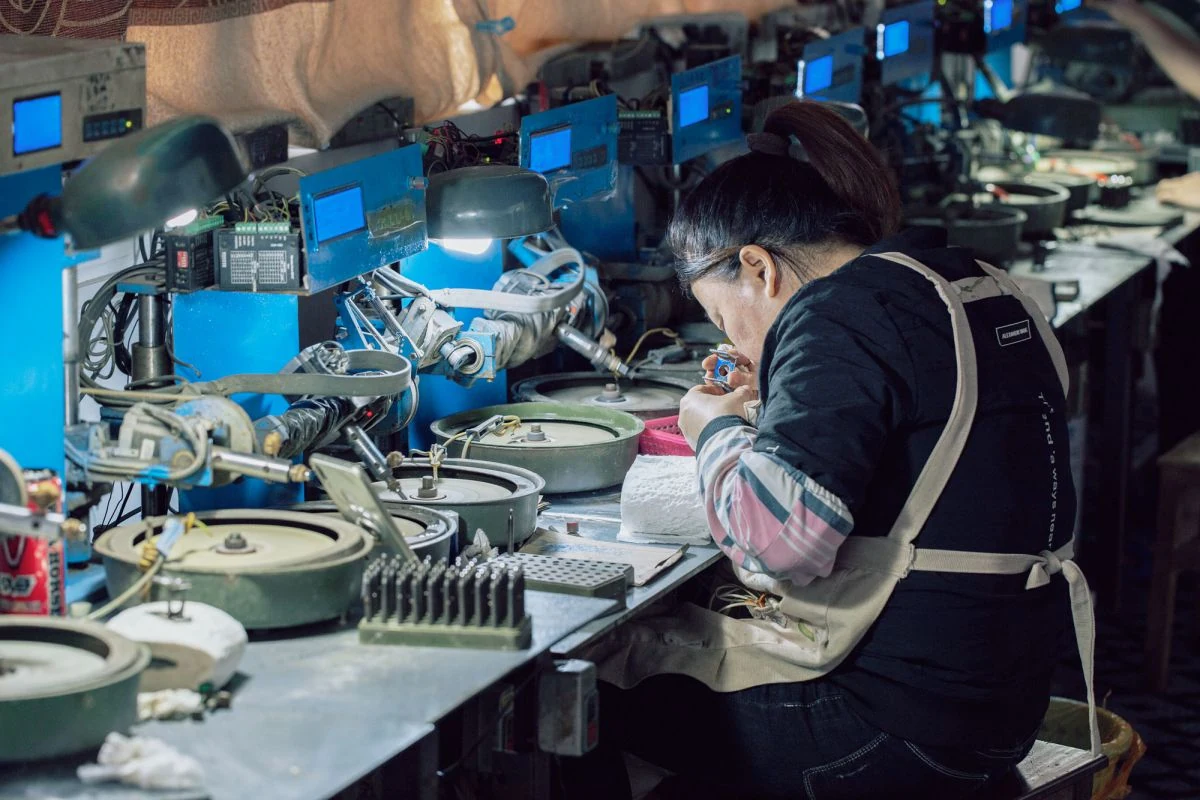
Pearls are the odd one out in a custom jewelry shop. Everything else we build starts with CAD, casting, and setting. Pearls start with a tray of loose beads, a reel of silk, and a pair of hands matching one pearl to the next. There is no facet to cut, no girdle to measure. The craft is in the matching—getting size, shape, color, and luster to flow along a strand so the eye cannot tell where one pearl ends and the next begins. That is why a custom pearl necklace costs what it does, and why the off-the-shelf version always looks just a little off.
01Grading pearls is different from grading stones
A diamond is graded on cut, color, clarity, and carat. A pearl is judged on luster, surface, shape, color, and size. Luster is the big one: it is the depth of shine, the way light seems to come from inside the bead rather than sit on top of it. High-luster pearls have sharp, mirror-like reflections. Lower-luster pearls look chalky or flat. Surface matters because scratches, bumps, and spots are visible on a smooth sphere in a way they never are on a faceted stone. Shape ranges from perfectly round to near-round to drop and baroque, and each shape has its own uses. We explain the basics of pearl types in our custom earrings guide, but a strand is where the grading really has to be consistent.
02Matching a strand is the real work
A pearl necklace is not just a string of nice pearls. It is a string of pearls that have to agree. Each bead is hand-selected against the next so that the size steps up and down evenly, the color stays consistent, and the luster matches. A cheap strand mixes pearls from different lots and it shows in the way your eye catches one lighter or duller bead in the middle. In a custom strand, we lay the pearls out in graded sequence on a tray, balance the strand by weight so the clasp sits at the back, and only then start stringing. That matching step is the difference between a necklace that reads as one continuous glow and one that reads as a pile of beads.
03Knotting, and why it matters
Every pearl on a quality strand is knotted individually. The silk knot between beads does two things. It stops pearls from rubbing against each other, which is what wears through their nacre over years. And if the strand ever breaks, the knots keep you from losing every pearl at once. Re-stringing is part of pearl ownership, because silk stretches and grime works into the knot. A well-knotted custom strand, worn regularly, should be re-strung every few years. That upkeep is the same kind of long-term commitment as looking after a ring you wear every day—small, regular, and worth it.
04Pendants, earrings, and bracelets
Pearl studs are the simplest custom pearl piece: two matched pearls, drilled, set in friction posts. Pearl pendants use a single larger drop or a small cluster, hung from a bail that lets the pearl move. Pearl bracelets follow the same knotting logic as a necklace, on a shorter scale. Where pearls differ from every other material is that drilling is permanent—once the hole is through the nacre, the pearl cannot be undrilled. That is why we confirm size and setting style before anyone touches a drill, and why we steer people toward higher-luster beads when the piece is meant to last.
05What custom pearls actually buy you
A custom strand gets you consistent luster, even size progression, proper knotting, and a clasp you chose rather than the cheap box clasp the supplier threw in. It also gets you a necklace length that lands where you want it, on a neckline you actually wear. Pearls have outlasted jewelry trends for a century, and the ones that get handed down are the matched, well-knotted pieces—the kind that only exist because someone took the time to build them properly.
Pearl shape and skin tone also play together. Cool white pearls read best against fair skin with pink undertones; warmer cream and gold pearls flatter deeper or olive complexions. These are loose guidelines, not rules, and the right way to choose is to hold strands against your neck in natural light rather than trust a brochure. The luster that looks brilliant under a jeweler's spotlight can look flat under office light, and vice versa. We send customers home with a mirror and a window on purpose, because the light you actually live under is the light that matters.
Storage is the last piece of pearl care. Pearls hate being thrown into a jewelry box with metal chains, because metal scratches their nacre. They also dry out over decades if sealed in plastic, so a soft cloth bag or a separate pouch is the right home. Wipe them with a damp cloth after wearing, because perfume and hairspray are the silent killers of luster. Treated this way, a custom strand outlasts trends and ends up, like so many pieces we build, in the hands of the next generation.
The Gemological Institute of America’s gem encyclopedia is an authoritative, widely cited reference on moissanite and diamond quality factors.
06Related Reading
07Frequently Asked Questions
How does the custom OEM process work?
Send a reference, sketch or CAD file. We quote, produce a 3D render, then a wax or resin model for approval before casting. Nothing goes to bulk without written sign-off.
How long does a custom sample take?
About 20 days for a new CAD model, including one revision round. Repeat designs reuse the existing mold and ship in 3–5 days.
What is the custom MOQ?
100–300 pieces per design depending on the mold and stone setting complexity.
Do you sign NDAs for private label?
Yes. Private-label clients get an NDA and exclusive mold use for the agreed term.
Send a sketch or a photo — our setter will answer with stone options and a price band.
Talk to the atelier


