Moissanite Color Under Warm Light: Why It Looks Different
Bench notes · The Journal
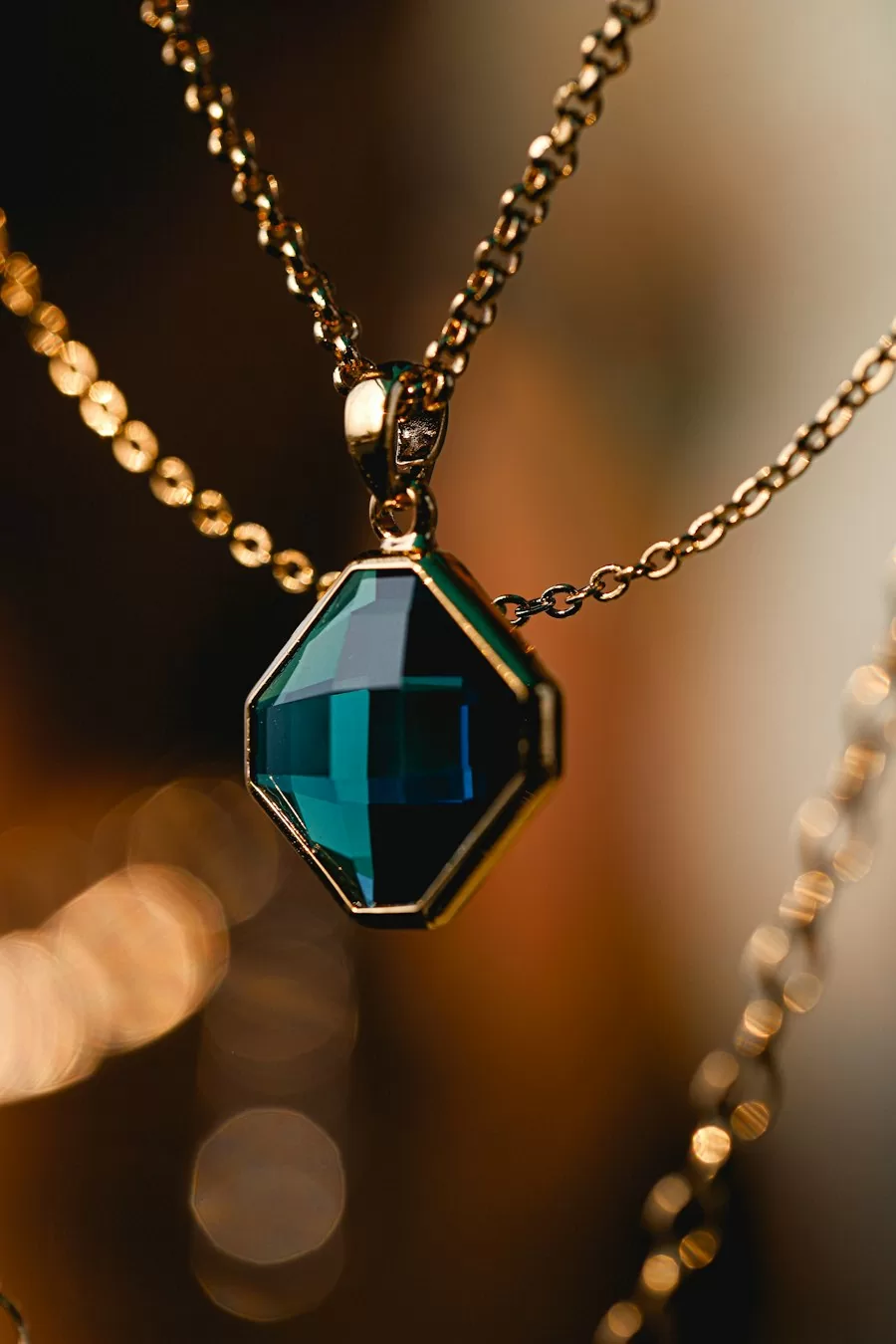
A customer holds up a moissanite in our showroom, steps between the daylight window and the warm overhead light, and squints. Under the window it looks colorless. Under the lamp it seems to carry a faint yellow or greenish whisper. Is the stone off? Was it misgraded? Nine times out of ten, no. It is just how moissanite reads across different light sources.
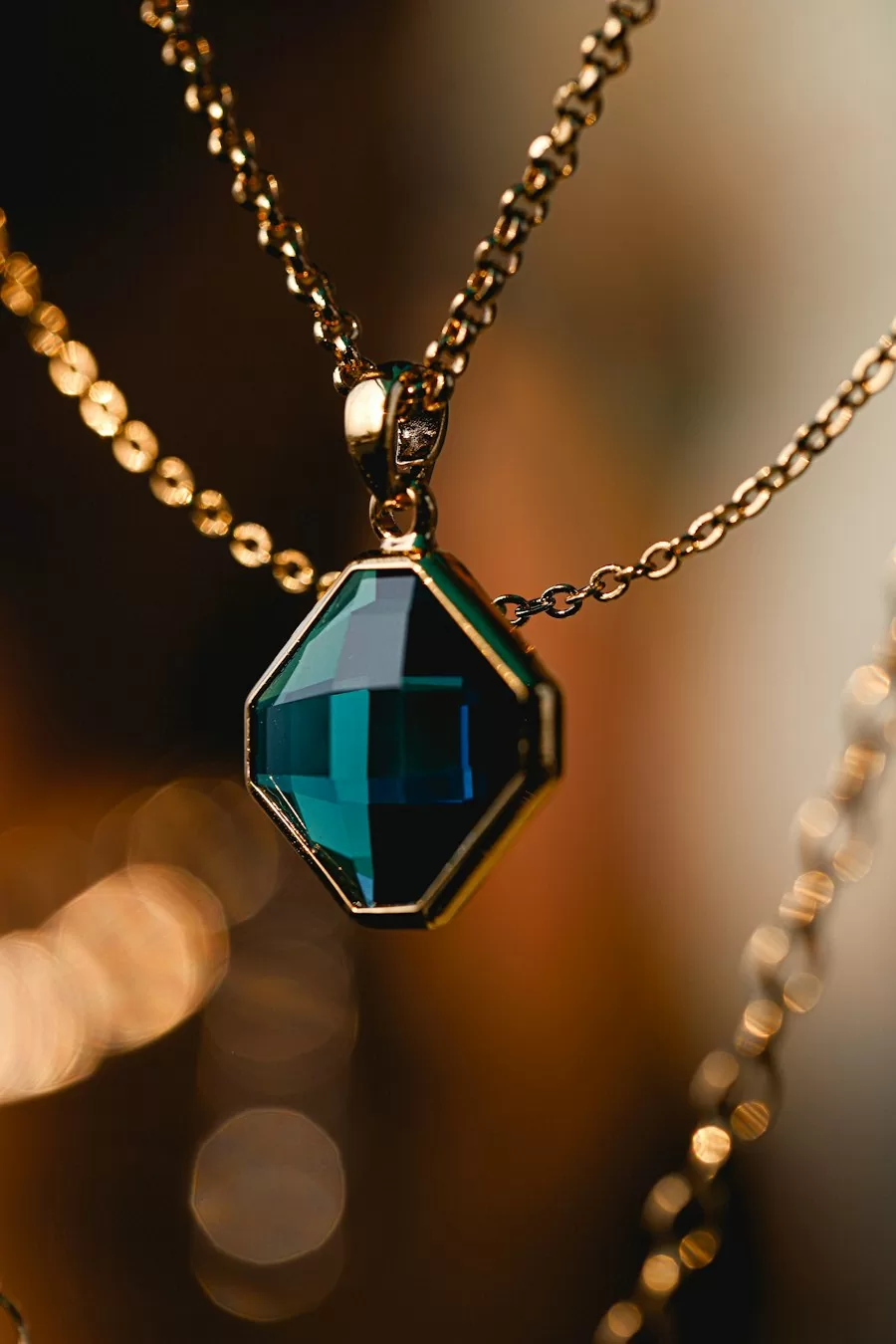
01Why light source changes the color you see
Daylight carries a balanced, slightly cool spectrum with strong blue content. A near-colorless moissanite under that light returns mostly white flashes and looks close to colorless. Warm indoor bulbs, especially older incandescent and halogen types, dump more yellow and red into the spectrum. Any slight body color in the stone gets amplified because the light itself is tinted. Fluorescent office light sits somewhere in between and tends to push the slightly gray or green side of moissanite.
This is not unique to moissanite. Diamonds in lower color grades behave the same way. The difference is that moissanite's typical tint leans yellow-green rather than pure yellow, which is more noticeable to some eyes because green reads as 'wrong' next to what people expect from a white gem.
02What the color grades actually mean
If you have not already, it is worth reading our breakdown of moissanite color grades and clarity and inclusions. The short version: stones marketed as 'colorless' or 'D-E-F equivalent' are graded under controlled daylight-matching lamps. 'Near colorless' stones will show a whisper of tint when you deliberately look for it, usually face-up in a warm room.
That whisper is not a dealbreaker. In a solitaire on the hand, the stone is small relative to the scene, skin tone pulls warm anyway, and most onlookers will never see the tint. The people who notice are the owners, looking at their own ring under their own kitchen light.
03How we match the stone to your real lighting
When a customer tells us they work in a warmly lit office or mostly see the ring under recessed LED at home, we lean toward the colorless tier rather than near-colorless. The extra cost buys peace of mind, because the worst-case light they actually live in is already warm. If they spend most of their time outdoors or in cool office light, near-colorless is plenty and saves real money.
Setting color also shifts perception. Yellow gold and rose gold warm the face of the stone visually, so a near-colorless center looks softer against them. Platinum and white gold present the stone most neutrally, which is where a slight tint becomes easiest to spot. This is why the metal you set a stone in is never purely a style decision.
04Bow-tie and face-up vs face-down
A related quirk: fancy shapes like ovals and pears can show a darker bow-tie area that some customers mistake for color. We cover that in our note on oval bow-tie. The bow-tie is a facet-shadow effect, not body color, and it is normal to some degree in every elongated brilliant.
05How to test a stone under your own light
If you are choosing between two stones, do not only compare them under our showroom lights. Ask to take photos or short video of each one under the lamps you actually use at home, and again outside on a cloudy day. Hold the stone next to a plain white piece of paper and look at it face-up. If the tint only shows under one very specific bulb, it is a lighting effect. If it shows on the paper and in daylight, that is the stone's true body color, and you should choose accordingly.
Cost-wise, the jump from near-colorless to colorless moissanite is real but not enormous, and for many customers it is the single most reassuring upgrade on the order. You are not paying for science so much as for peace of mind: the confidence that the stone will look right no matter which room you walk into. Skip the upgrade if you prefer warm, gold-toned jewelry anyway, because the warm metals will mask the tint and the money is better spent on cut quality or a better setting.
06The honest bottom line
If you are choosing a moissanite, do not rely on a single product photo under studio lights. Ask us for video of the stone in both cool and warm light, and think about where you will actually live in the ring. The tint that looks alarming on a white showroom card often vanishes on the hand, set in the metal you actually wear.
Moissanite's light performance is its whole appeal. Understanding how it behaves in your lighting just means you buy the right stone the first time, rather than wondering later. When in doubt, ask us for the side-by-side video; we would rather show you than argue about it.
Independent background on moissanite — how its hardness and refractive index compare with diamond — is documented in the Wikipedia article on moissanite.
07Related Reading
08Frequently Asked Questions
Is moissanite a good diamond alternative for retail buyers?
Yes for price-sensitive customers who want brilliance and hardness. Moissanite ranks 9.25 on the Mohs scale, holds up to daily wear and costs a fraction of a natural diamond of the same size, so it resells fast in bridal and fashion lines.
What is the minimum order for wholesale moissanite?
MOQ starts at 50 pieces per design for stock items. Custom cuts and private-label settings usually start at 100–300 pieces depending on the mold.
Do you provide certificates with moissanite stones?
Yes. Every parcel ships with GRA or IGI documentation listing carat weight, color grade and cut. We recommend passing the certificate to your end customer for trust.
How long does sample and bulk production take?
Samples ship in 3–5 days. Bulk runs take 15–20 days under 500 pieces, and 25–30 days for custom work.
Send a sketch or a photo — our setter will answer with stone options and a price band.
Talk to the atelier


