Milgrain Edging: Beautiful, but How Durable Is It?
Bench notes · The Journal
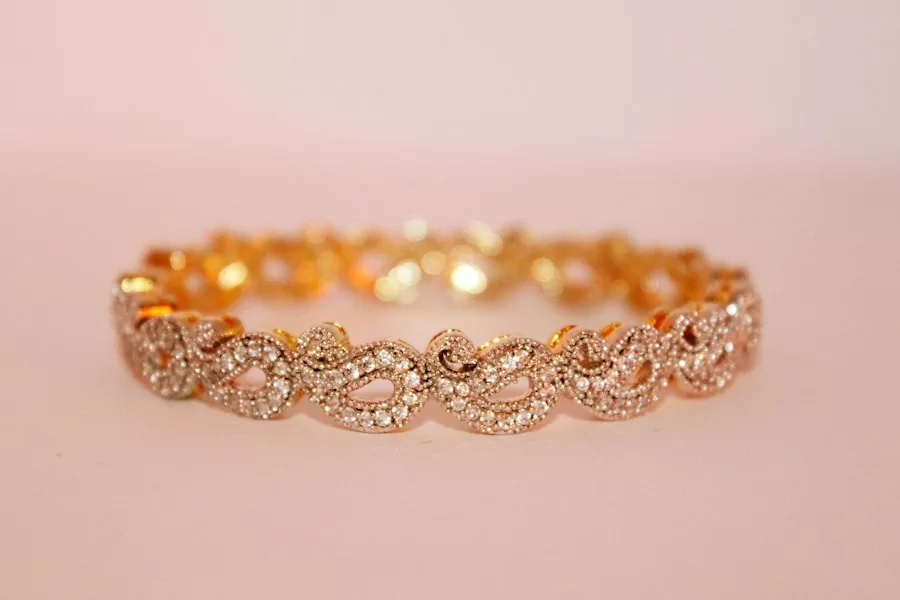
Milgrain is one of those details people cannot describe but immediately recognize once you point it out. It is the row of tiny, uniform beads running along the edge of a ring's shank or around the edge of a setting, giving the piece a hand-detailed, antique feel. It is a signature of Edwardian and Art Deco jewelry, and it has come back strongly in modern vintage-inspired designs. Clients love it. We love it. The honest conversation we have to have is about how it wears, because milgrain is not a set-it-and-forget-it detail. It is the kind of finish that rewards a little attention and punishes neglect.
01What milgrain actually is
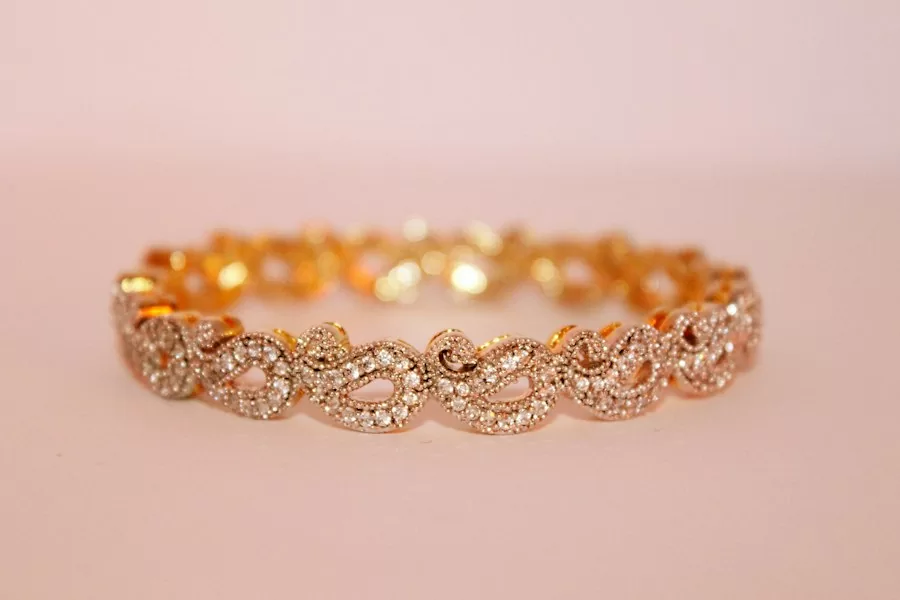
Milgrain is created with a tool called a milgrain wheel, a tiny hardened steel roller with a pattern of teeth around its edge. The jeweler rolls the wheel along the edge of the polished metal, pressing a row of tiny beads into the surface. It is a mechanical process, not a cast detail, which means it sits on the very top surface of the metal. It adds almost no thickness. Those beads are tiny, usually around half a millimeter, and they protrude just slightly above the band.
02How it wears
Because the beads sit on the surface, they wear exactly where the ring contacts things. On a band worn daily, the outside high points, the parts that brush against a desk, a steering wheel, a phone, will smooth out within months. The sharp, beaded edge becomes a soft, rounded line. On a ring worn to the gym or for manual work, milgrain can wear half-flat in a year. On a ring worn for evenings, it can stay crisp for a decade. It is the rare detail that tells a real story about how a piece has lived.
This is not a defect. It is what surface details do. The good news is that milgrain can be refreshed. A jeweler can roll the edge again, rebuilding the beads, as part of a routine polish. It is a five-minute job if the edge underneath is still straight.
03Dirt and grime
The other side of milgrain is that every bead gap is a trap for dirt. Skin oils, hand lotion, and dust settle into the grooves between beads, and a quick wipe with a cloth does not reach them. Over a few months, a milgrain edge that looked crisp and white can look gray and dull because of grime in the crevices, not because the metal itself has changed.
This is why we tell milgrain owners to do a soft-bristle brush clean at home once a month, and to let us put the ring in the ultrasonic once or twice a year. The ultrasonic blasts the gunk out of the bead gaps and brings the milgrain back to life. Without that, the detail looks older than it is, and owners sometimes think they need a re-roll when all the ring actually needs is a proper cleaning.
04Which metals wear it faster
Milgrain wears fastest on softer metals. 14k gold is reasonable. 18k gold, being purer, is softer and milgrain on it will flatten sooner. Platinum, being denser, holds milgrain shape much longer, which is one reason you see milgrain so often on platinum vintage reproduction rings. Sterling silver sits in the middle; it is hard enough to hold detail, but it tarnishes in the bead gaps, which makes the milgrain look dark even when it is intact.
05When to skip milgrain
If you want a ring you never think about, no cleaning, no refresh, no inspection, skip the milgrain. A plain polished edge or a simple satin finish will look the same in ten years. If you want the vintage look and you are willing to treat the ring like a nice thing, take it off before the gym, clean it monthly, refresh it every few years, milgrain is one of the most characterful details you can add. It ages like fine leather rather than like plastic, and when it does wear, it wears gracefully, into a soft beaded edge that still reads as intentional.
06Where milgrain reads best
Milgrain is most convincing when it is used sparingly. A single row along the outer edge of a shank, or framing the bezel around a center stone, gives a ring a quiet antique feel. Wrapped on every edge, across every surface, it starts to look busy and costume-like. We usually suggest one or two milgrain lines per piece, not four. It is a detail, not a whole vocabulary. If you are designing a vintage-inspired ring and you are unsure where to put it, start with one row and add more only if the render asks for it.
The 92.5% silver composition and properties of sterling silver are described in the Wikipedia entry on sterling silver.
07Related Reading
08Frequently Asked Questions
How do I verify a factory before placing a bulk order?
Request a production video, business license, export records and a paid sample run. A factory that accepts a 50-piece test order is usually a real manufacturer.
What payment terms do you offer?
30% T/T deposit with the balance against the bill of lading. This protects both sides on first orders and can move to net terms after a track record.
What is your normal reject rate?
3–5% under 10x loupe inspection for cast and set pieces. Defective units are replaced free in the next shipment.
Where is the factory located?
Wuzhou, Guangxi, China—the core lab-grown and moissanite manufacturing cluster. Shipments go via Guangzhou or Shenzhen ports.
Related reading: Tension-Set Rings: Stunning, but Is It Practical?, Why Your Ring Fits in Winter but Spins in Summer, Shared Prong Settings: How Durable Are They, Really?.
Send a sketch or a photo — our setter will answer with stone options and a price band.
Talk to the atelier


