Micro Pave vs Hand Pave: What the Difference Actually
Bench notes · The Journal
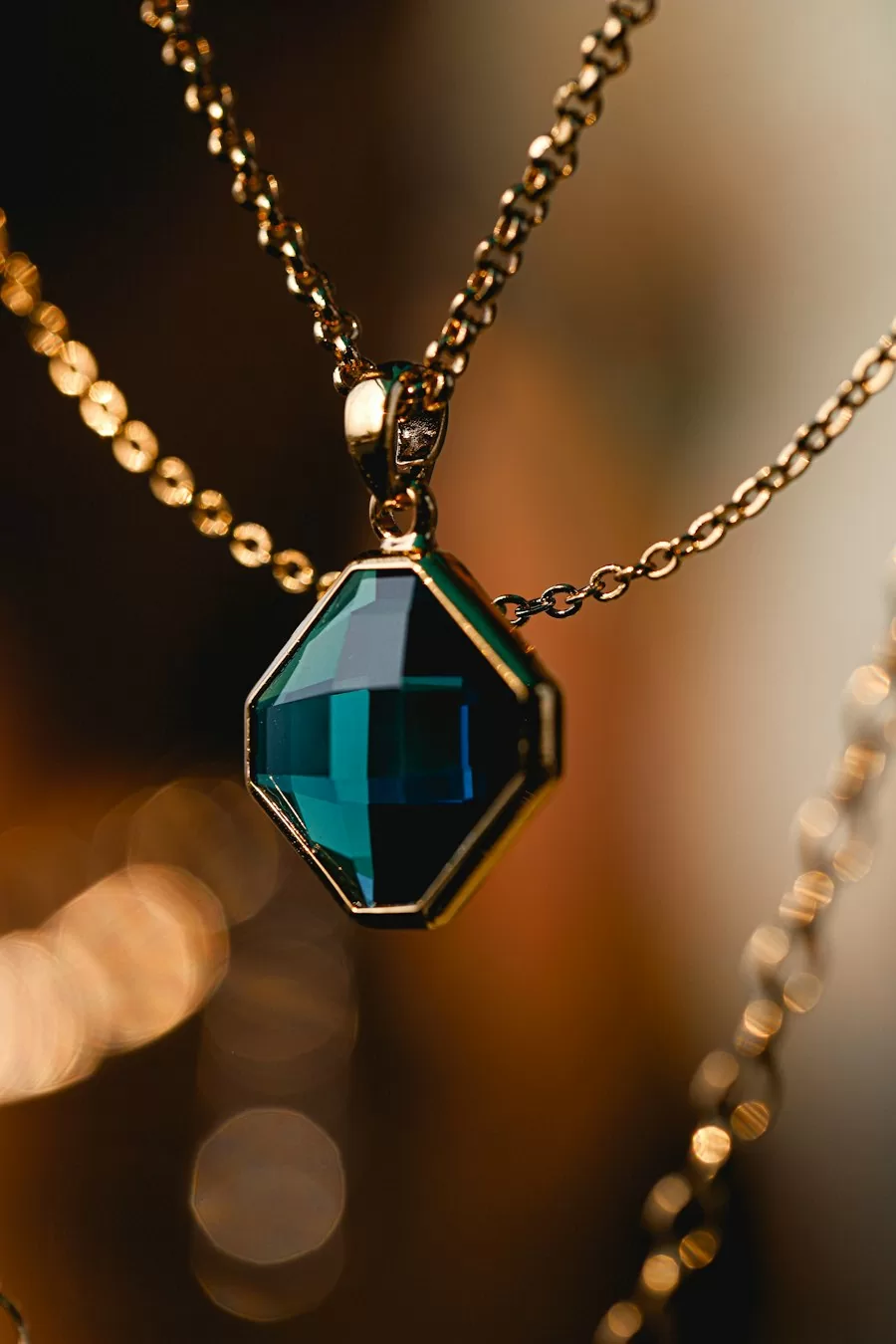
Pave settings cover a band, pendant, or halo in rows of tiny diamonds held by beads of metal. From a few feet away, micro pave and hand pave look almost identical. Up close, and over years of wear, they are different techniques with different failure modes and different price points. Choosing between them is one of the more consequential decisions in a custom build.
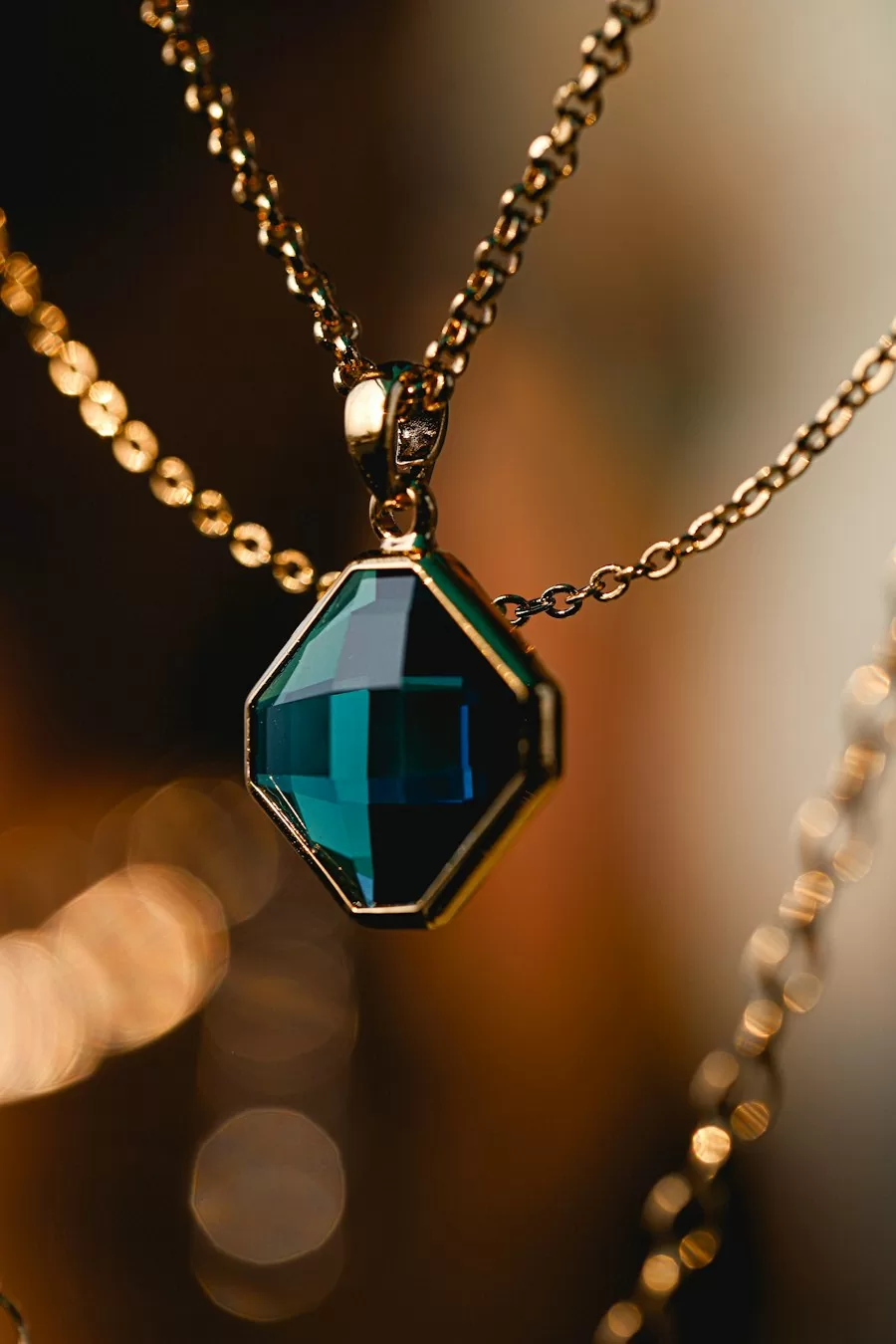
01What each technique actually is
Hand pave is the older method. A setter uses hand tools to place each stone, drill the seat, and push beads of metal over the stone's edge to hold it. The beads are visible at arm's length, and the spacing between stones has the slight unevenness of hand work. Hand pave uses larger stones, typically around 1.3 mm or bigger, and the beads are sized to match.
Micro pave is a precision version that uses stones under about 1.3 mm, often around a millimeter, held by beads so small they look like dots under magnification. The setter works under a microscope using micro tools. The result is a surface that reads as continuous glitter because the beads are nearly invisible. Micro pave is the technique behind the dense, seamless halos seen on contemporary engagement rings.
02How they wear differently
Hand pave, with its larger beads, is more durable. A 1.3 mm bead folded over a 1.5 mm stone has real metal to wear down before the stone loosens. An annual check usually catches wear well before any stone is at risk. Hand pave also repairs more easily, because a worn bead can be re-formed with hand tools without disturbing neighboring stones.
Micro pave is more delicate. The beads are so small that normal hand wear, lotion, and friction can dull them within a year or two, and a single loosened micro stone often signals that the neighboring beads are also thinning. Micro pave bands need inspection every six months rather than annually. They also snag more easily on knits and hair, because the tiny beads catch fine threads. This is part of the picture behind ring snags and why some pave owners switch to smoother bands for daily wear.
03Cost and what you are paying for
Micro pave is more expensive per surface area, not because the stones are pricier but because the setting labor is slower. Setting stones under a microscope, one at a time, with micro beads, takes roughly twice the hours of hand pave on the same surface. The melee stones themselves are cheaper per carat because they are tiny, but the labor dominates the price.
Hand pave is cheaper to set and easier to repair, but it reads less seamless. A hand pave halo looks like a row of diamonds. A micro pave halo looks like a band that glows. If the visual goal is that continuous sparkle, micro pave earns its cost. If the goal is a durable daily band that will hold up without frequent trips back, hand pave is the more sensible choice. This is the same tradeoff we discuss in pave set ring durability at a broader level.
04Where each technique makes sense
Micro pave shines on a halo around a center stone, where the band is not the primary contact surface and where the seamless look is the point. It also works well on pendants and earrings, which do not take the daily abrasion that a ring takes. For a wedding band that stacks on a finger, micro pave is a commitment: it looks stunning but needs upkeep.
Hand pave works on a wedding band that will be worn through a working day. It also works on men's bands, where the larger beads read as deliberate design rather than delicate detail. We often build a halo in micro pave and the matching band in hand pave, so the ring gets the continuous look where it matters and the band gets the durability where the wear happens.
05What to inspect on delivery
Whichever technique you choose, the delivery inspection is the same. Look closely at the beads: they should be rounded and fully folded over the stone edge, not flattened or clipped. Look for any stone that sits lower than its neighbors, which signals a bad seat. Run a fingernail across the row; it should catch on the beads but not on any exposed stone edge. If a nail slides under a stone, that bead has failed and needs resetting before wear begins. That inspection takes a minute and catches most of the problems that would otherwise show up as a lost stone within the first month.
Also hold the ring under a daylight bulb and look for color inconsistency across the melee. A cheap pave job mixes stones from different parcels, and under strong light you will see one stone that reads yellower or grayer than the rest. A factory-direct pave run uses a single matched parcel, so the row reads as one continuous tone rather than a patchwork.
The International Gem Society moissanite guide explains how moissanite performs in daily wear compared with diamond.
06Authoritative References
For buyers who need to verify the technical and regulatory basis of this guide, the following independent institutions publish authoritative reference data:
07Related Reading
08Frequently Asked Questions
How do I verify a factory before placing a bulk order?
Request a production video, business license, export records and a paid sample run. A factory that accepts a 50-piece test order is usually a real manufacturer.
What payment terms do you offer?
30% T/T deposit with the balance against the bill of lading. This protects both sides on first orders and can move to net terms after a track record.
What is your normal reject rate?
3–5% under 10x loupe inspection for cast and set pieces. Defective units are replaced free in the next shipment.
Where is the factory located?
Wuzhou, Guangxi, China—the core lab-grown and moissanite manufacturing cluster. Shipments go via Guangzhou or Shenzhen ports.
Send a sketch or a photo — our setter will answer with stone options and a price band.
Talk to the atelier


