Polished, Brushed, Matte: Which Metal Finish Ages Best?
Bench notes · The Journal
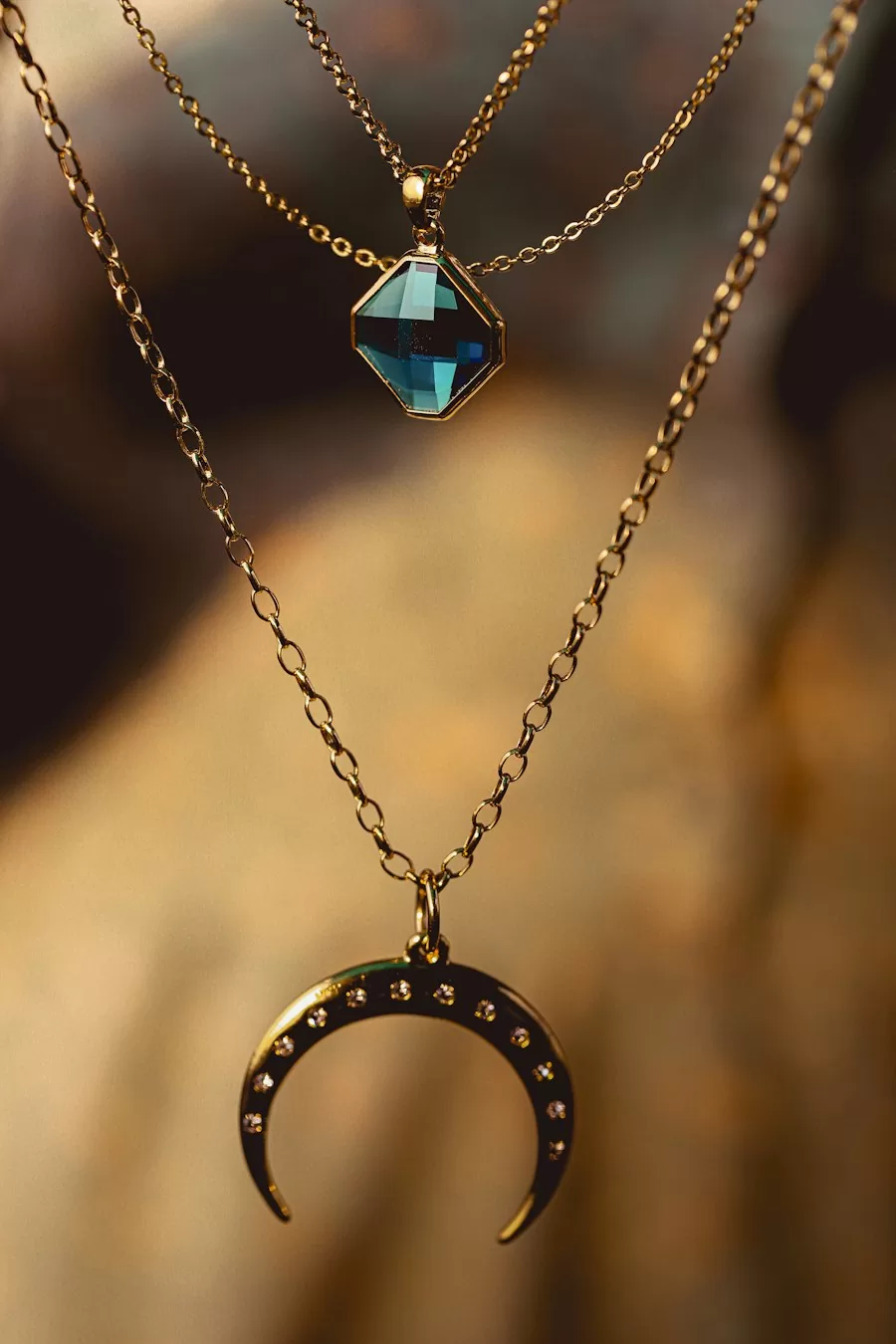
When clients pick a metal finish, they usually choose by how it looks in the showroom light. Polished looks bright. Brushed looks modern. Matte looks understated. What they rarely consider is how each finish behaves after five years of daily wear, because that story is written in the scratches, not in the preview.
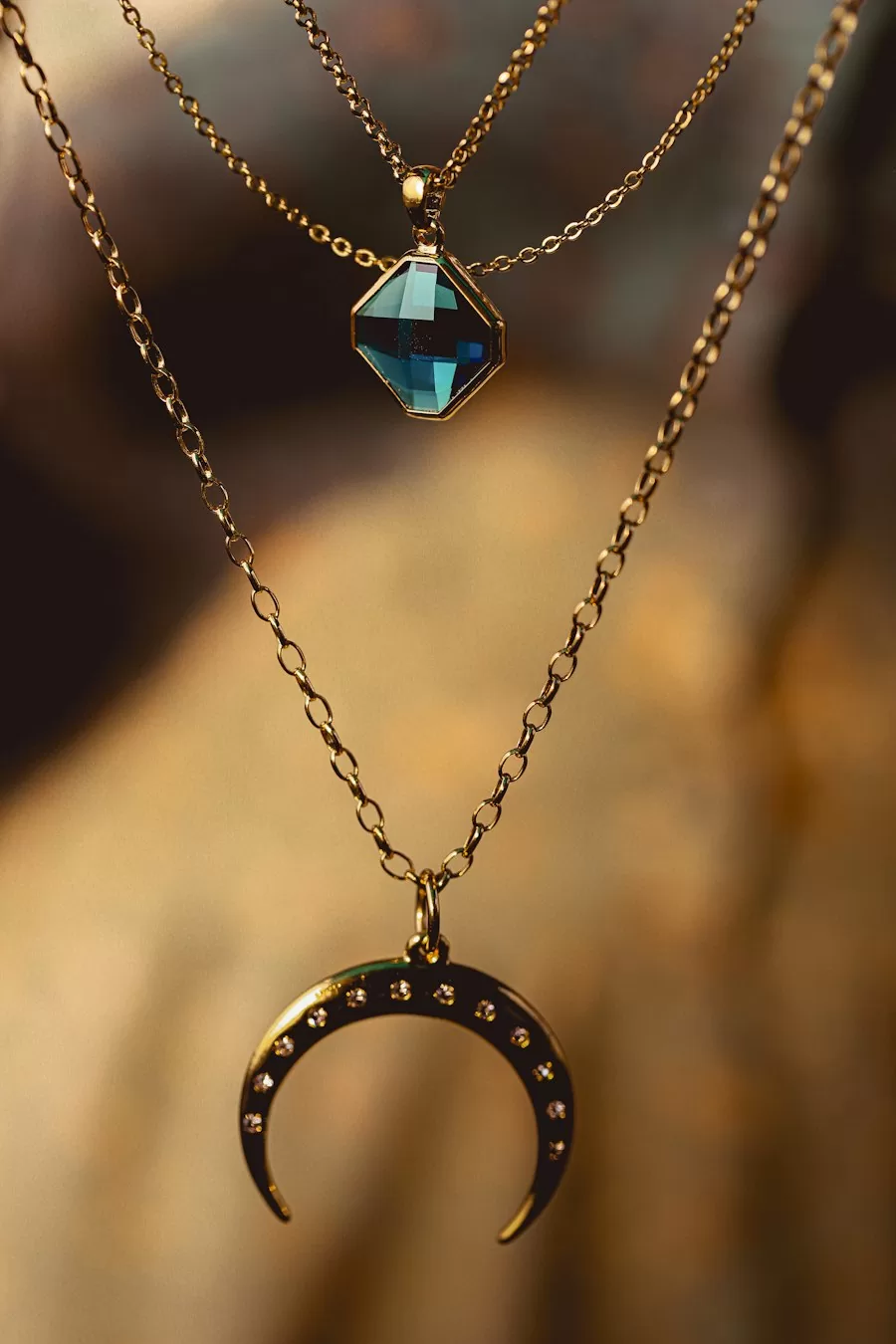
The finish is applied last in production, after the piece is cast, set, and nearly finished. It is also the layer that touches every surface you own, and it is the layer that wears first. Choosing it is as much a decision about maintenance as it is about aesthetics.
01Polished: brightest, scratchiest
A high-polish finish is the default because it reflects light cleanly and shows stones at their best. A polished solitaire reads brighter than the same solitaire in satin, and that matters for engagement rings where the center stone is the event. The tradeoff is that every fine scratch is visible as a bright line. Polished metal shows micro-scratches quickly, especially on rings that contact desks, steering wheels, and gym equipment.
Polish is also the easiest finish to renew. A polish buff removes a few microns of metal and restores the mirror surface, which is why a worn engagement ring can look brand new after a refinishing. The catch is that repeated polishing eventually rounds sharp edges and thins fine details, so it is a repair you want to space out rather than perform monthly.
02Brushed: modern, forgiving
A brushed finish runs fine parallel lines across the metal with a rotary brush. It scatters light rather than reflecting it, which gives a soft, directional sheen. Brushed metal hides wear far better than polish because everyday scratches tend to align with the brush direction and disappear into the existing texture. A brushed band that has been worn for two years still reads clean, while a polished one in the same condition looks tired.
Brushing is directional, which means it matters how the lines run. On a band, brushing usually runs along the circumference so the lines flow with the finger. On a pendant, brushing may run vertically to elongate the piece. It also shows fingerprints less than polish, which makes it a favorite for men's bands and for pieces handled often. See how this plays into wedding band metals aging over time.
03Matte and satin: quietest, softest
Matte and satin finishes are produced by sandblasting or fine abrasive tumbling, leaving a uniform non-reflective surface. They read as soft and contemporary. Like brushed, they hide scratches well, because the whole surface is already textured. Matte is the least reflective of the three, which means it does not compete with a center stone for attention and often lets the gem do the visual work.
The weakness of matte is that it wears shiny in high-friction spots. A matte ring worn daily will develop a polished stripe on the inside of the band where the finger rubs, and the high-contact edges will glaze over within a year. That contrast is not damage; it is the finish responding to use. Some clients love the lived-in look. Others bring the piece back for re-satin, which is a straightforward refinishing but does remove a small layer of metal each time.
04Hammered and textured variants
Hammered, tree-bark, and other hand-textured finishes sit in the same family. They are extremely forgiving because the surface is already irregular, and they carry a lot of handmade character. Their downside is that they trap dirt and lotion in the crevices, so they need more careful cleaning than a smooth band. They also cannot be fully renewed without re-striking the texture, which is a hand process rather than a quick buff.
05Choosing by lifestyle
For someone working at a desk with their hands still, polished is fine and renews easily. For someone doing construction, cooking, or gym work, brushed or matte will look better longer. For a ring that carries a center stone, a polished crown around the stone often pairs with a brushed shank to get brightness where it matters and forgiveness where the wear happens. This mixed approach is one of the most common requests we see, and it mirrors the logic behind two-tone bands: put the finish where it earns its keep.
06What refinishing actually costs
Every finish can be renewed, but the cost and risk differ. Polishing is cheap and fast. Re-brushing is a little more involved because the direction has to be matched. Re-satin requires re-treating the whole surface and can soften sharp edges. Asking the maker which finish renews cleanly on the specific design you are commissioning is a reasonable question, and the answer tells you a lot about how they think about long-term wear.
The Wikipedia entry on engagement rings gives an independent overview of engagement ring traditions and settings.
07Related Reading
08Frequently Asked Questions
How do I verify a factory before placing a bulk order?
Request a production video, business license, export records and a paid sample run. A factory that accepts a 50-piece test order is usually a real manufacturer.
What payment terms do you offer?
30% T/T deposit with the balance against the bill of lading. This protects both sides on first orders and can move to net terms after a track record.
What is your normal reject rate?
3–5% under 10x loupe inspection for cast and set pieces. Defective units are replaced free in the next shipment.
Where is the factory located?
Wuzhou, Guangxi, China—the core lab-grown and moissanite manufacturing cluster. Shipments go via Guangzhou or Shenzhen ports.
Send a sketch or a photo — our setter will answer with stone options and a price band.
Talk to the atelier


