Reorder Signals for Loose Moissanite Stones - JewelF & Co.
Bench notes · The Journal
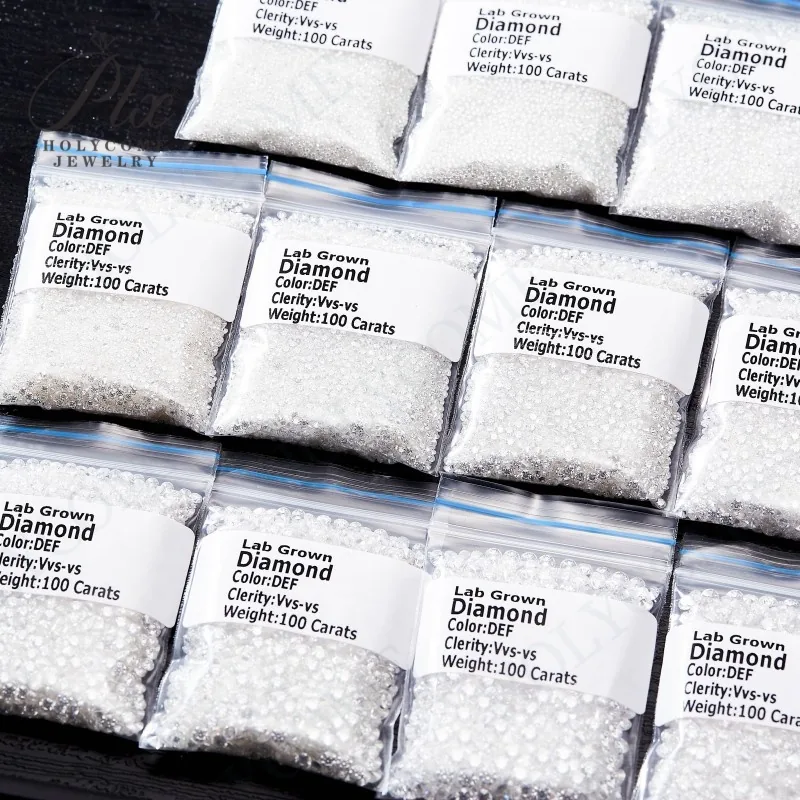
Most buyers open a loose moissanite stones category on a price filter and close it on a spec they cannot verify.
01The second order is where margin is won
The first order answers whether the factory can build the product. The second order answers whether you can buy it well. The range holds 1784 designs in this category.
Most of the gain on round two comes from three changes: narrowing the shortlist, deepening the winners, and removing the designs that only looked good on a page.
Where the stone changes, the price band usually changes with it, which is why moissanite at 50% anchors the core of the range.
02What the range tells you before the sell-through report
| Signal | What it suggests | Round-two action |
|---|---|---|
| Design repeats early | Demand is concentrated | Deepen units, keep price |
| Even spread | Assortment is working | Hold width, test one stretch |
| One design stalls | Spec mismatch or size gap | Drop or re-sample |
| Returns cluster by field | Setting or plating issue | Change build, not photo |
Moissanite is the dominant stone at 50%; lab grown diamond makes up 49%.
With 1784 designs on file, the reorder path usually exists before the first order is placed.
03Narrowing without losing coverage
A shortlist that shrinks from six to four should keep one design per price point. Cutting the entry build to protect the top price is the most common mistake, because the entry build is what brings new buyers into the category.
The figure of 1784 is worth reconciling against your own shortlist before the quote, because it sets how much of the buy can be stock.
04The three questions to ask the factory
Reference designs in the range include Loose Moissanite Stone 0001; Loose Moissanite Stone 0002; Loose Moissanite Stone 0003.
05Setting the round-two quantities
Quantities should follow the concentration you measured, not the average. If two designs carry most of the sell-through, the reorder should reflect that ratio rather than adding units evenly across the shortlist.
06Range snapshot: Loose Moissanite Stones by the numbers
Moissanite is the dominant stone at 50%; lab grown diamond makes up 49%.
| Dimension | Reading | Buying note |
|---|---|---|
| Designs on file | 1784 | Shortlist can come from stock patterns |
| Dominant stone | moissanite (50%) | Sourcing already settled |
Moissanite is the dominant stone at 50%; lab grown diamond makes up 49%. Read the snapshot before the shortlist: a category that is narrow in metal but deep in cut behaves differently from one that is the other way round.
07Frequently Asked Questions
How soon should a reorder happen?
When the sell-through pattern is clear enough to change the mix, not before. Reordering on the calendar rather than on demand is how dead stock accumulates.
Should I reorder the exact same build?
Only if the first build passed your own checks. If a field caused returns, change that field rather than the design.
Is it normal for a factory to substitute materials on a reorder?
It should not be. Ask for written confirmation that the build is unchanged, and re-check the spec sheet against the new lot.
What if the best seller is out of stock?
Ask which design in the same price slot can carry the demand, and treat that as a planned substitution rather than an exception.
How many designs should a mature category carry?
Enough to cover the price slots you sell, no more. Depth per design beats width once demand is known.
If you want to work from the current range rather than from a catalog PDF, send the two price slots you sell and the size bands you stock. We will reply with the designs that fit, the build on each, and the reorder path. JewelF & Co. keeps the full range in one place.
The checklist below is the short version of everything above, and it is worth running before the quote rather than after the order.
Send a sketch or a photo — our setter will answer with stone options and a price band.
Talk to the atelier


