Loose Moissanite Stones: Plating: Microns - JewelF & Co.
Bench notes · The Journal
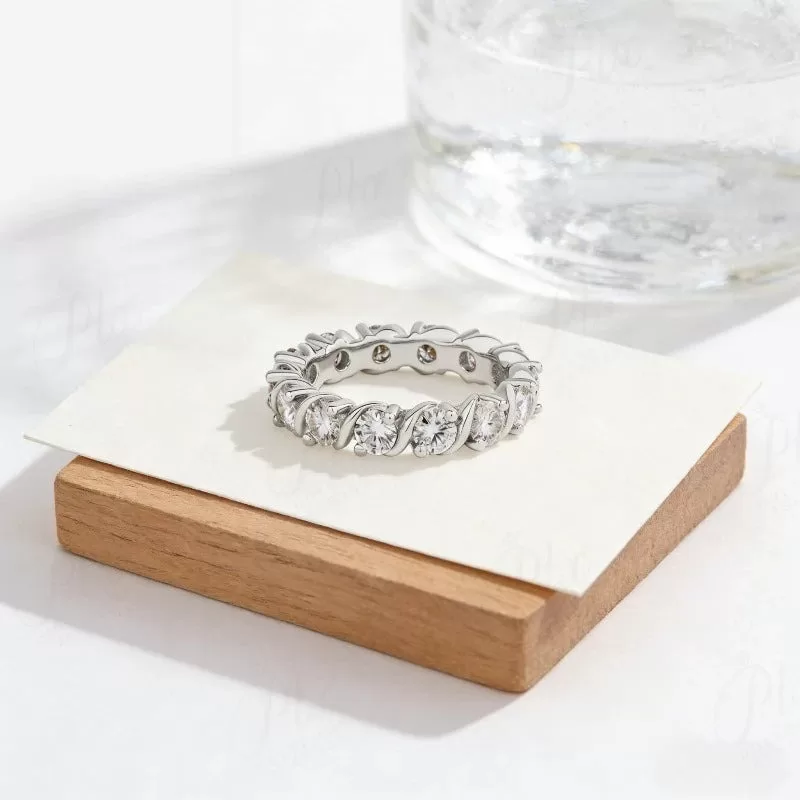
Plating is the cheapest line on a loose moissanite stones quote and the most expensive to get wrong. A 0.3 micron difference decides whether a piece survives a season or comes back as a tarnish complaint.
01What the micron number means
Plating thickness is measured in microns, one thousandth of a millimetre. On loose moissanite stones, 0.3 micron is a fashion finish, 0.5 is a season, 0.8 to 1.0 is daily wear, and 1.5 and above is the jewelry standard for a plated piece sold as long-wear.
Ask for the number per finish, not per factory. Rhodium, gold tone and e-coat have different targets.
Build the landing date from ship date plus transit plus clearance. Planning from the ship date alone makes every season a week late.
02The four failure modes
First, tarnish at the contact points: the shank inner face, the clasp and the ear post. Second, plate skip at the prong tips. Third, color drift between lots. Fourth, blistering after the e-coat.
Each has a cause: insufficient thickness, poor pre-plate cleaning, bath chemistry drift, or cure temperature. A loose moissanite stones claim sheet should name the cause, not just the defect.
| Finish | Thickness | Expected life | Use |
|---|---|---|---|
| Rhodium, thin | 0.3 micron | One season | Fashion |
| Rhodium, standard | 0.8 micron | Daily, 12+ months | Core line |
| Gold tone | 0.5-1.0 micron | Season to daily | Core line |
| E-coat over plate | +2-3 micron | Tarnish barrier | Humid markets |
Read the table as a checklist rather than a recommendation. The right row depends on the price band, the wear pattern and the channel you sell into.
Ask for the mill certificate and the stone invoice. Two documents turn a material claim into something an auditor can check.
03Specifying plating in the PO
Write four lines: base metal preparation, plating type, thickness in microns, and the wear test. Add the salt-spray or wear-hour standard you will accept.
Then test the first lot: rub the contact points with a cloth for 30 seconds and check for color transfer. A simple test catches most thin-plate lots.
04Repair and replating policy
Plated goods need a replating path. Ask whether the factory will replate a returned piece and at what cost. A supplier with no replating service leaves you to absorb the return.
For loose moissanite stones at volume, a replating agreement is worth more than a 3 percent price concession.
A repeat order is a test of the factory, not of the design. If the second lot drifts, the process was never controlled, only the sample.
05What to check before the order
Run the five checks below in order. The first two protect the money, the last three protect the launch date.
If a supplier cannot answer three of the five, treat the quote as a starting point rather than a plan. Ask again in writing and keep the answer with the PO.
06Frequently Asked Questions
How thick should loose moissanite stones plating be?
0.8 micron rhodium for daily wear, 0.5 for a seasonal line, 1.0 or more for long-wear claims.
Why does plating wear at the shank first?
It is the contact point with skin and other rings. Thickness and pre-plate cleaning decide how long it lasts.
Can plating be reapplied?
Yes, if the base metal is clean. Ask for the replating cost and turnaround before you need it.
Does e-coat change the color?
It can add a slight warmth. Ask for a coated sample before approving the color.
Is thicker plating always better?
Up to a point. Too thick a plate can look heavy and can crack at the prong tips if the deposit is stressed.
How many suppliers should I keep?
Two approved sources for the top three designs, one for the tail. The second source is what keeps pricing honest.
Send the loose moissanite stones finish requirement. We return the micron spec per finish, the wear test standard and the replating terms. See the full range at JewelF & Co..
None of this is exotic. It is a document, a measurement and a date, repeated until it becomes a process.
Send a sketch or a photo — our setter will answer with stone options and a price band.
Talk to the atelier


