Loose Lab Grown Gemstones Custom OEM Private Label: plating thickn
Bench notes · The Journal
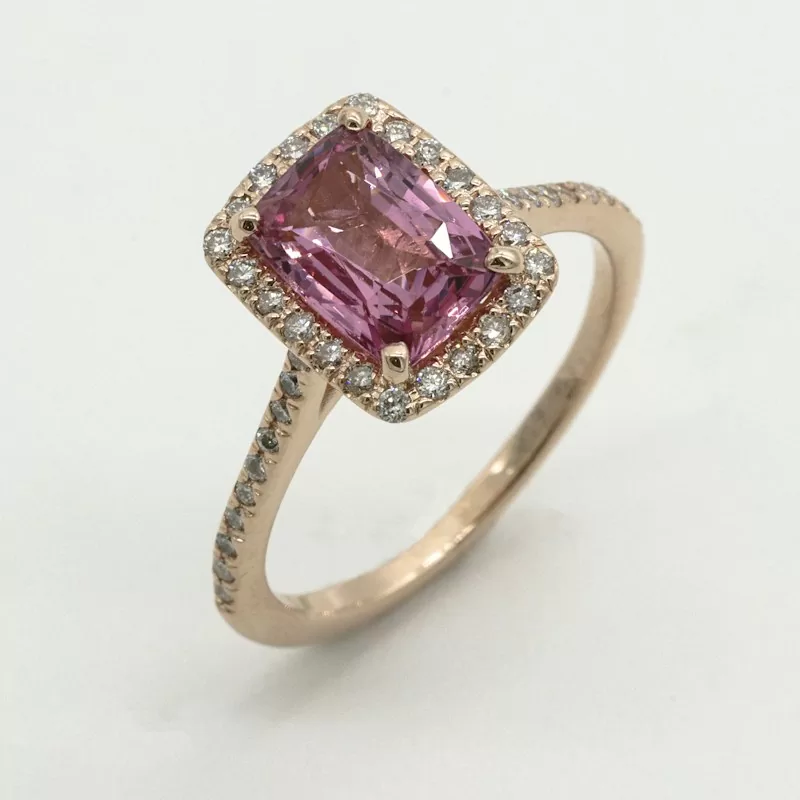
01Understanding Plating Thickness and Its Impact on Looseness
When you order loose lab‑grown gemstones for custom OEM or private‑label projects, the plating thickness is a key factor that can affect how the finished piece will look and feel. A thicker plating gives a richer, deeper base color that can hide minor blemishes or surface imperfections. However, if the plating is too thick, it may create a slight “slip” between the stone and the metal, making the setting feel less secure.
We maintain a standard plating thickness of 0.6 µm for gold and 1.2 µm for silver on all loose gems. This balance ensures durability and a smooth finish while preventing the metal from appearing too heavy or overly glossy. Our tight control over plating thickness helps keep the gemstones securely set, even in high‑wear designs.
02How Tarnish Affects the Longevity of Your Stones
Tarnish is the natural reaction that occurs when metal surfaces are exposed to air and moisture. For silver, a thin layer of tarnish can darken the setting, altering the overall look of your jewelry. In contrast, gold is highly resistant to tarnish, but even it can develop a subtle patina over time if not coated properly.
To combat tarnish, we apply a protective overcoat that enhances the metal’s resistance to oxidation. This coating also adds a subtle sheen that makes the gemstones sparkle more brightly. Buyers who choose our private‑label services notice fewer maintenance requests and more customer satisfaction, thanks to the longevity of the finish.
03Selecting the Right Plating for Different Gemstone Types
| Gemstone | Plating Color | Thickness (µm) | Ideal Use |
|---|---|---|---|
| Moissanite | Gold | 0.6 | Bridal sets |
| Lab‑grown Ruby | Silver | 1.2 | Bold statement pieces |
| Lab‑grown Emerald | Gold | 0.6 | Daily wear necklaces |
04Managing Tarnish for Long‑Term Quality Assurance
Our three‑stage QC process catches any potential plating issues before they reach the customer. The first stage inspects the incoming stone, ensuring the core quality is spot‑on. During in‑process checks, we verify plating thickness and uniformity. Finally, pre‑ship AQL testing confirms that no premature tarnish or peeling exists.
Customers who order custom sets often request an extra series of tests to guarantee the coating remains intact after shipping. We provide detailed reports and certificates—GRA or IGI—to give you confidence in the product’s durability.
05Why Our Setup Gives You a 20% Yield Advantage
06Cost, Lead Time, and Order Flexibility for Your Business
Our MOQ is 1 pc for stock items and 30 pcs for custom orders, giving you maximum flexibility whether you’re testing a new design or launching a full line. Production runs take 12–18 days, and we can deliver DDP to the US in 5–8 days once the order is finalized. For samples, we accept PayPal deposits, making the initial step hassle‑free.
Pricing is based on the chosen plating, stone size, and volume. Our cost advantage comes from owning the entire value chain—no middleman markup. We accept a 30 % T/T deposit for larger orders, ensuring a smooth transaction process for both parties.
07Frequently Asked Questions
What is the minimum order quantity for custom OEM projects?
We require a minimum of 30 pieces for custom orders, allowing us to maintain quality and efficiency across the batch.
How long does it take to receive my first sample?
Samples are shipped within 5–7 days after a 30 % deposit, giving you a quick preview of our plating and finish.
Do you provide certification for the gemstones?
Yes, each stone comes with GRA or IGI certificates, and we can offer additional documentation upon request.
Ready to elevate your jewelry line with top‑quality loose lab‑grown gemstones? Contact us for a quote or to request samples.
Send a sketch or a photo — our setter will answer with stone options and a price band.
Talk to the atelier


