Jewelry Surface Finishes Explained: Polish, Satin, Brushed
Bench notes · The Journal
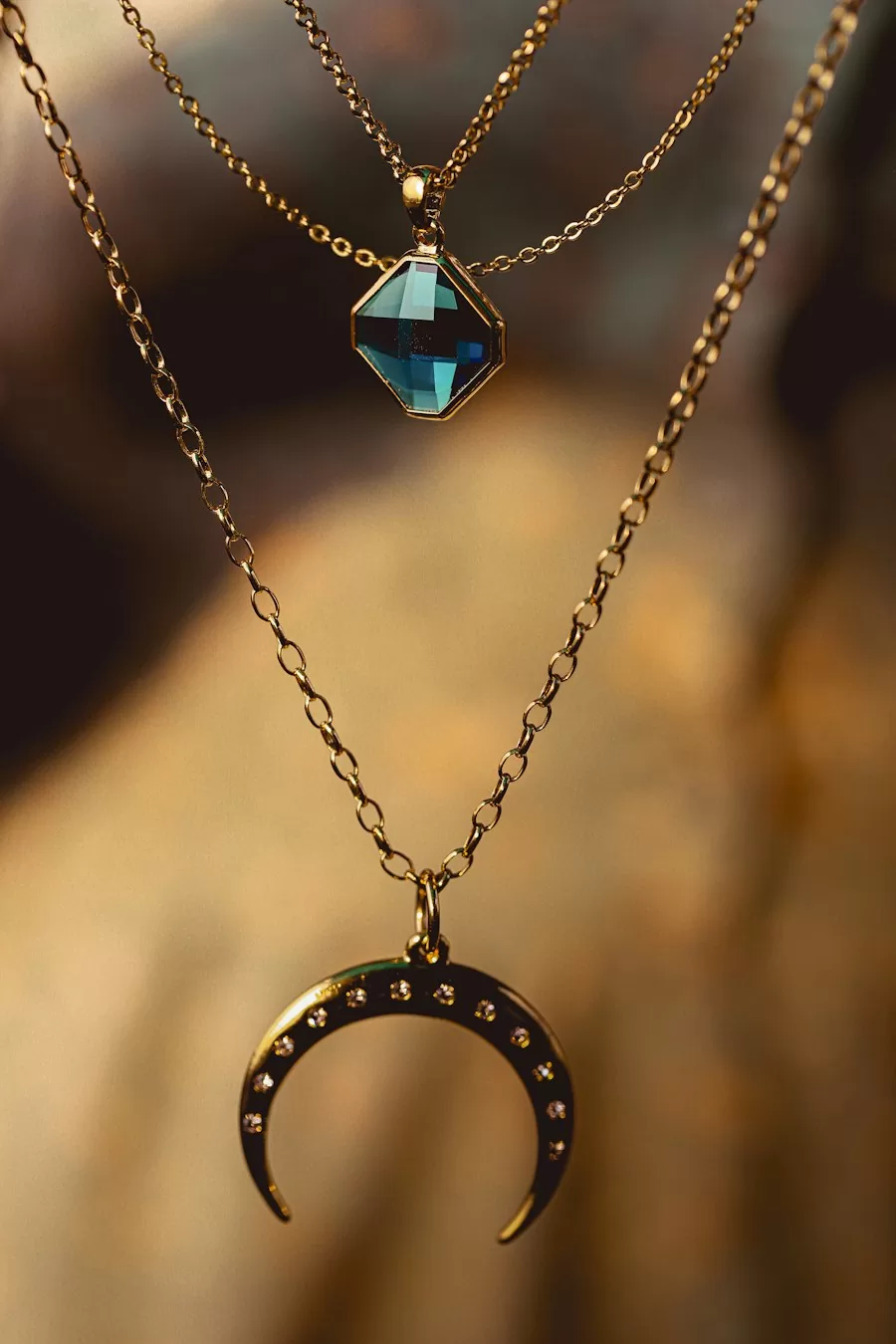
Two rings cast from the exact same model, set with the exact same stone, can feel like completely different pieces depending on how their surface is treated. The finish—not the metal, not the stone—often does more to define how a custom piece reads on the hand than anything else. In the factory, finishing is a deliberate step after polishing, and each option wears differently over years of daily use.
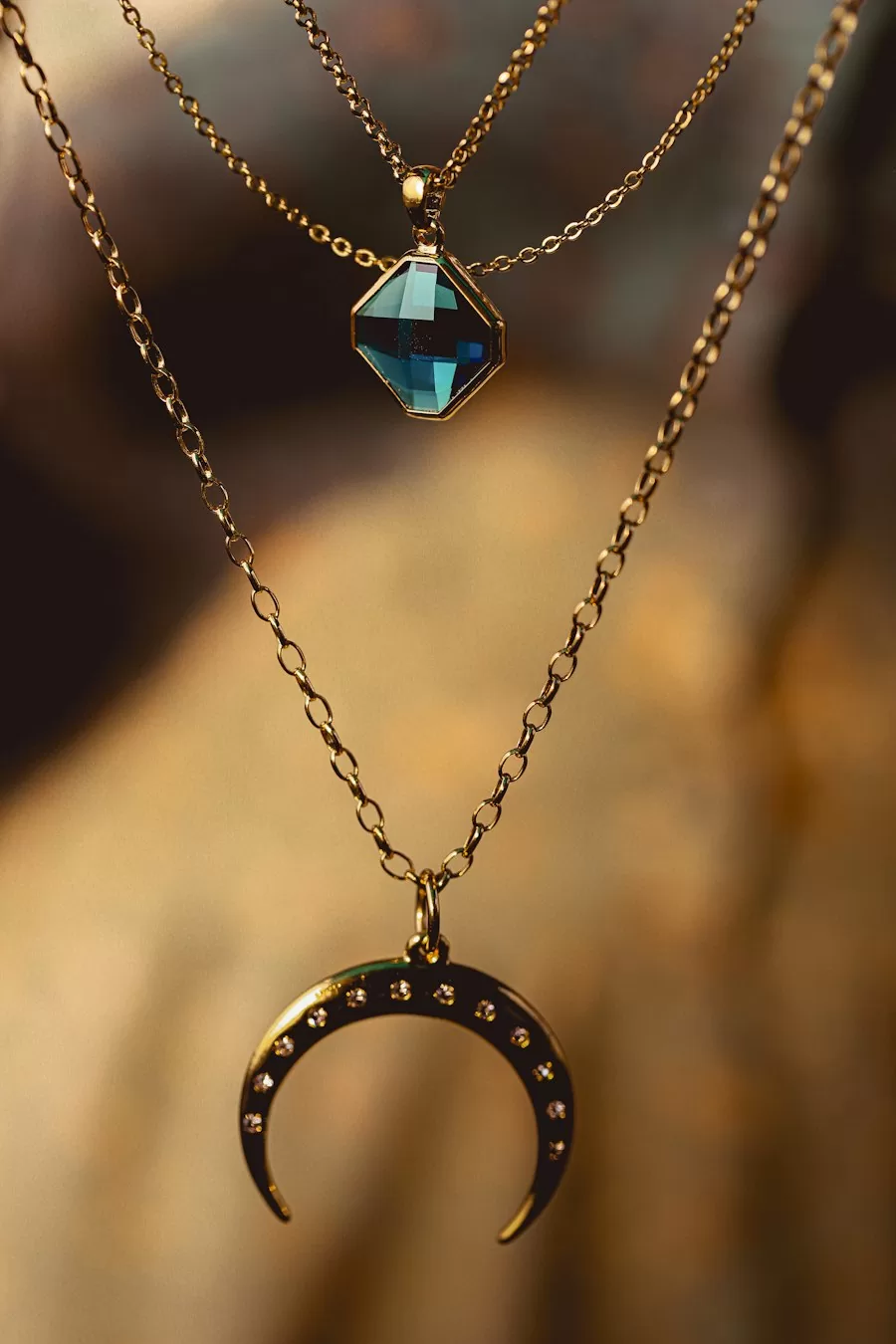
01High polish: the classic shine
High polish is what most people picture when they imagine gold. The surface is abraded successively finer, then buffed with rouge until it reflects like a mirror. It makes white gold and platinum look bright, makes yellow gold warm and rich, and makes a stone look larger because the surrounding metal flashes light.
The tradeoffs: high polish shows every fingerprint, every micro-scratch, and every slight bump. On a wedding band worn daily, a mirror finish turns into a soft matte sheen within a year, not because the metal degraded but because fine scratches replaced the reflections. Some people love that lived-in look; others find it disappointing.
02Satin and matte: soft and modern
A satin finish is produced with a fine abrasive wheel that leaves a uniform, soft-textured surface that scatters light instead of mirroring it. It hides scratches, hides fingerprints, and reads as understated and contemporary. Matte is the same family, just a bit coarser and more uniformly dull.
For men’s bands especially, satin has become the default finish because it stays looking intentional longer. The downside: satin can be re-polished too aggressively and end up shinier than you wanted, which is why we label finish preferences clearly on the work order.
03Brushed: directional texture
Brushed finish uses a wire or bristle brush to lay fine parallel lines across the surface. It is directional—you can see which way the brush moved. A brushed center channel flanked by polished edges is one of the most popular custom band designs we make, because the contrast reads as designed rather than accidental.
Brushing hides small scratches well because the surface was already textured. It does not show dings, but a hard knock can leave a bright scratch that stands out against the brushed lines. If that bothers you, satin blends repairs more gracefully.
04Sandblasted and bead-blasted
Sandblasting bombards the surface with fine media to create a soft, uniformly pebbled matte. It is the most scratch-concealing finish of all, and it photographs beautifully. It is also the easiest finish to wear off on contact points—the inside of a sandblasted band will polish smooth against your skin within months, and high-contact edges will brighten first.
We love sandblasting for statement pieces and rings that are not worn 24/7. For daily wear, we usually temper expectations: it will develop a polished edge over time, and that is a feature, not a defect. Many clients come back a year later preferring the worn-in version, and we can always re-blast to reset it if they do not.
05Hammered, milgrain, and hand textures
Hammered finish uses a chasing hammer to leave deliberate dimples across the surface. Each piece is genuinely one-of-a-kind because the dimple pattern cannot be duplicated exactly. Milgrain adds a row of tiny beads along edges—a vintage cue that reads well on vintage-inspired designs. These hand textures hide wear because every new ding blends into a surface that was already irregular.
06Combination finishes read as designed
The most interesting custom pieces rarely rely on one finish. A ring with a polished outer edge, a brushed center channel, and a sandblasted gallery will look deliberate in a way a single finish never does. These combinations take more labor—each transition needs masking and careful hand work—but they are where manufacturing craft becomes visible. We often suggest a contrast finish on a plain band because it gives the eye something to read without adding stones.
07How finishes age and how we protect yours
White gold finished pieces usually include rhodium plating, which wears regardless of texture. Our guide to rhodium redipping covers when that needs refreshing. For textured finishes, re-plating can soften the texture if done coarsely, so we use fine plating baths on brushed and sandblasted pieces.
When we quote a custom piece, we ask which finish you want and we document it. We also tell you, honestly, how that finish will look in two years. A mirror-finish band for a construction worker is a bad idea not because the metal is weak, but because the finish will not survive. A brushed band for the same person is a great call. Matching the finish to how you actually live is half the design work.
The Wikipedia article on rhodium explains why rhodium plating is applied to white gold and silver jewelry.
08Related Reading
09Frequently Asked Questions
How do I verify a factory before placing a bulk order?
Request a production video, business license, export records and a paid sample run. A factory that accepts a 50-piece test order is usually a real manufacturer.
What payment terms do you offer?
30% T/T deposit with the balance against the bill of lading. This protects both sides on first orders and can move to net terms after a track record.
What is your normal reject rate?
3–5% under 10x loupe inspection for cast and set pieces. Defective units are replaced free in the next shipment.
Where is the factory located?
Wuzhou, Guangxi, China—the core lab-grown and moissanite manufacturing cluster. Shipments go via Guangzhou or Shenzhen ports.
Send a sketch or a photo — our setter will answer with stone options and a price band.
Talk to the atelier


