Jewelry Plating Thickness: Microns Matter More Than You
Bench notes · The Journal
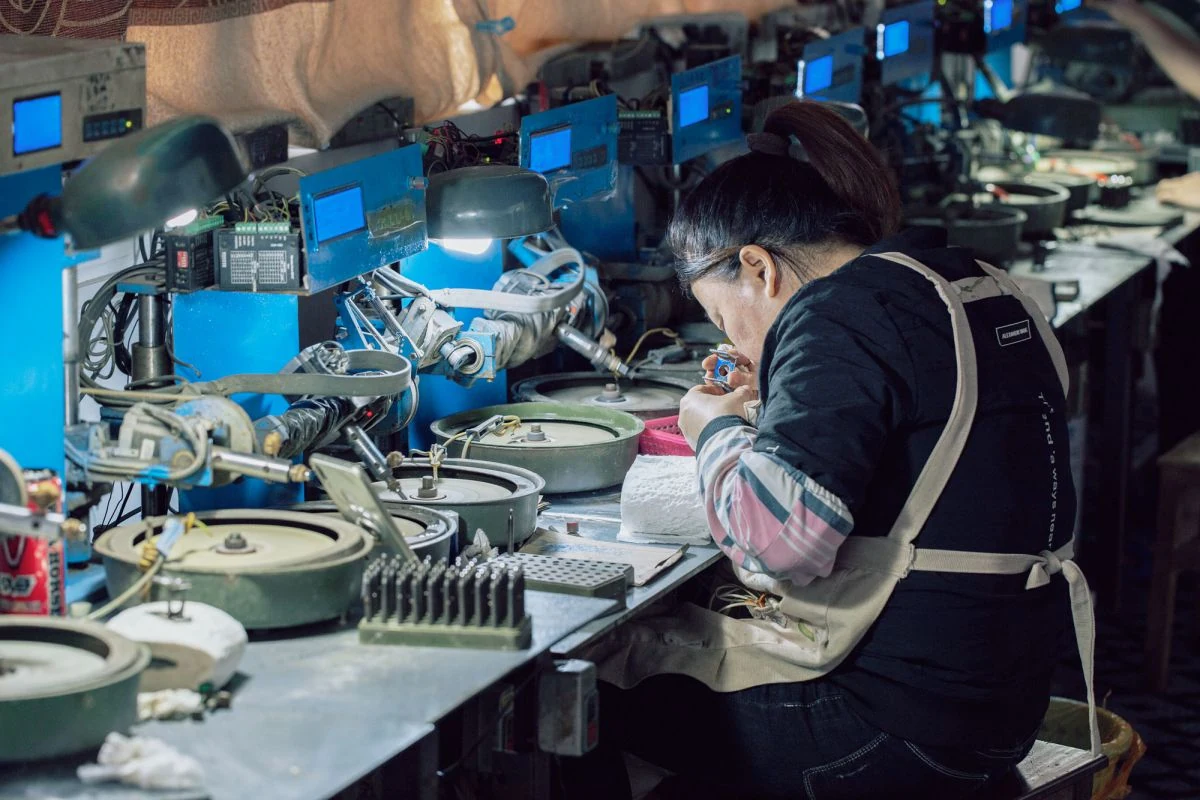
'It looks white now' is not a guarantee. White gold is not naturally white. It is a yellow or gray alloy coated with a thin layer of rhodium, and how long that coating lasts is a function of one number: thickness, measured in microns. A micron is a thousandth of a millimeter, and on that tiny scale, differences feel enormous on your finger.
01What a micron actually means on a ring
Retail white gold often arrives plated at 0.25 to 0.5 microns. That is the minimum that looks good the day it leaves the store. A workshop-grade re-plate runs closer to 1 to 2 microns, and a heavy or 'dip' job can reach 3 or more. The difference between 0.5 and 2 microns is not visible to the eye at pickup, but it shows up six to twelve months later, when the thin plating has worn through on the high-contact edges and the thicker plating still looks even.
This is the core reason rhodium re-plating is a recurring service. Plating is not a finish that lasts forever; it is a sacrificial layer, and thickness is its lifespan.
02Where plating wears first
Plating does not wear evenly. The inside of the shank against your finger, the edges of the prongs, and the top of the ring where it brushes against surfaces all go first. Customers often think the ring is 'turning yellow' uniformly, but it is usually these edges showing through. A thicker plating slows that first breakthrough; the underlying alloy also affects how soon that breakthrough shows.
03How plating actually goes on
Plating is not painted on. The cleaned ring is hung in an electroplating bath, a low voltage is applied, and rhodium atoms bond to the conductive surface in a thin, even layer. The bath chemistry, the current, and the time in the tank all set the final thickness. A rushed dip is short time, low current, and a thin result. A heavy dip is longer, with the surface prepared first so the rhodium adheres rather than sitting on top. That preparation, not just the final thickness, is what makes one re-plate last three years and another last three months.
This is also why plating at a counter kiosk and plating at a workshop can look identical on day one and diverge six months later. The process is the same in principle; the control over it is not.
04When thickness is overkill
More is not always better. Plating that is too thick can look milky or slightly gray instead of bright white, and it can build up in tiny crevices like engraving or pave beads and dull the detail. On a pave ring, extremely thick plating can even cover the small beads holding stones. For a high-detail piece, we deliberately hold the thickness lower and recommend more frequent re-dips instead. On a plain band, by contrast, we go as thick as the alloy will take.
05What to ask your jeweler
If you are buying white gold, ask two questions. First, 'what micron thickness does your standard plating come in?' If the answer is vague or under half a micron, you know the retail baseline. Second, 'do you offer a heavy plating option?' Many workshops will do it for a modest upcharge, and for a daily-wear ring it is one of the best value upgrades available. Keep receipts and plating dates, so you can plan your next re-dip rather than being surprised.
For sensitive-skin customers, plating thickness also matters. A thin plating worn away exposes the underlying nickel alloy, which is the usual cause of the irritation people blame on 'white gold.' Our guide to nickel-free options goes into that side of the story.
For contrast, this whole conversation does not exist in platinum. Platinum is naturally white in its own right and never needs rhodium. It develops a patina instead of a worn-through coating, which we cover in platinum aging. If you want a white ring with zero plating maintenance, that is the reason customers keep choosing it despite the higher entry cost.
Chlorine is the quiet enemy of plating. A swim in a pool or hot tub can age a year's worth of rhodium in one afternoon, because the chemicals attack the surface film. Take the ring off before swimming, not after, and you will double the interval between re-dips without trying.
06The honest bottom line
Plating is a maintenance item, not a set-and-forget finish. Budget for a re-plate every one to two years on a daily ring, ask for the thicker option on a plain band, and accept that a pave ring will need gentler plating. Treat the microns as a spec, not a magic word, and your white gold will stay the color you expected for years instead of months. A ring that comes back dull after a year is almost always a thickness problem, not a manufacturing defect.
For the legal text behind our material compliance, see the REACH Regulation (EC) No 1907/2006 on EUR-Lex.
07Related Reading
08Frequently Asked Questions
What gold purities and platings do you offer?
Solid 10K, 14K and 18K, plus gold-filled and vermeil. Plated fashion lines use 1–2 micron PVD over brass or 316L.
How do I avoid mislabeling gold products?
Label by construction: solid, gold-filled, vermeil or plated. Mislabeling plated as vermeil is the most common compliance complaint in this category.
Can you stamp karat marks?
Yes. Every solid-gold and vermeil piece is stamped with karat and maker marks, which supports customs and resale claims.
What is the MOQ for gold lines?
50 pieces per design for stock settings; custom CAD work starts at 100 pieces.
Send a sketch or a photo — our setter will answer with stone options and a price band.
Talk to the atelier


