How to Choose a Jeweler for Custom Work: Questions That
Bench notes · The Journal
01"We do custom" can mean two very different businesses
Walk into any jewelry store and you will hear the words custom design. One shop has a bench jeweler on the premises, a wax room, and a cast floor. Another collects your measurements and sketch, ships the job out to a factory you will never meet, and resells the result. Both call it custom. The difference shows up in who controls revisions, how fast problems are fixed, and whether the final piece carries the bench's eye. Choosing the right atelier starts with telling those two businesses apart.
02Signs of a bench atelier
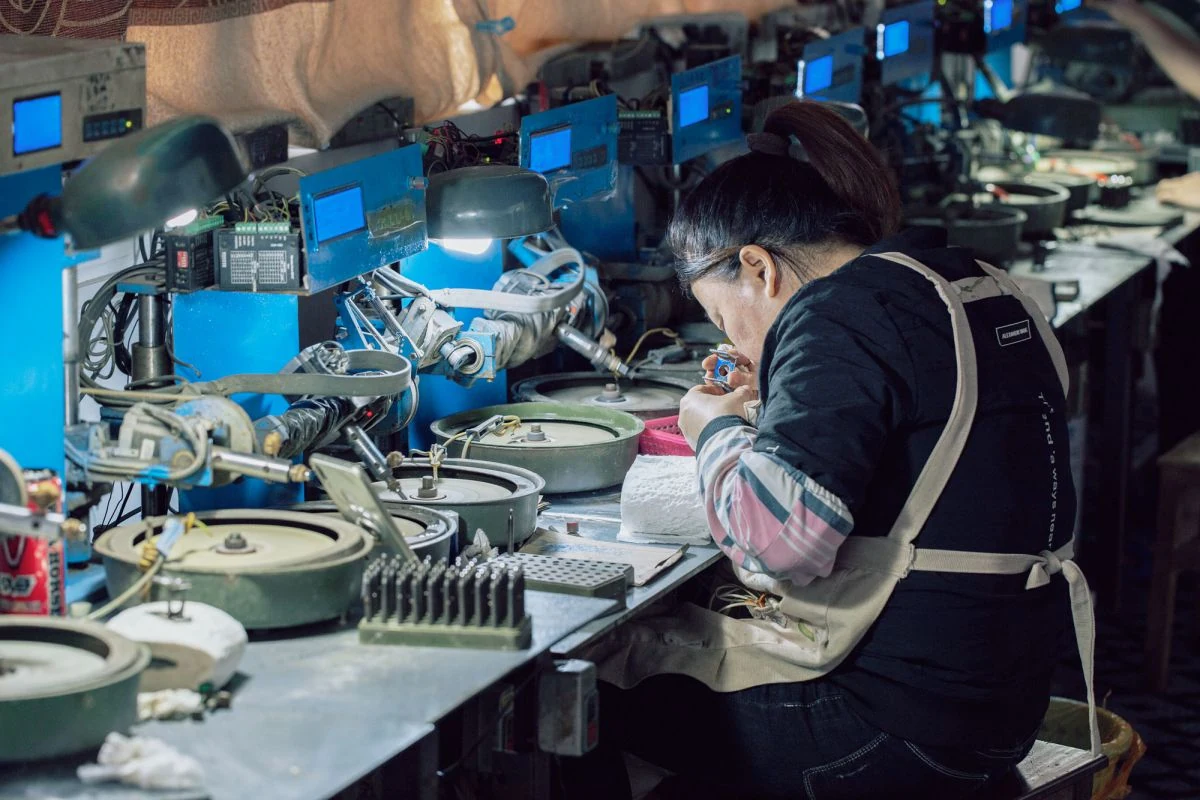
Ask to see the work being made. A real bench jeweler can show you a wax model, a cast piece in progress, and a setter at the bench. They talk in materials - "we'll seat this slightly higher to protect the girdle" - rather than in catalog numbers. They show you previous commissions with before-and-after photos, not just finished product shots, because they are proud of the process.
03Questions that expose the middlemen
04Portfolio depth over a single pretty piece
One stunning photo proves little. Look for a consistent body of work across settings: solitaire, pave, pendant, men's band, something with a colored stone. A shop that only ever shows one style of ring will steer every commission toward that one look. Read reviews that mention communication and post-sale care, not just the reveal - those are the reviews that predict your experience.
05The contract and deposit
A professional atelier works from a written order: the design spec, metal, karat, stone details, the included revision rounds, the price, and the lead time. A deposit that secures the bench, with the balance due on approval of the finished piece, is standard. If you are a boutique arranging a private-label run, ask about sample approvals, consistency across the batch, and reorder terms. You can read about how we run commissions on our bespoke process page.
06Remote and long-distance commissions
You do not always live near the atelier you choose. Remote commissioning works well when the process is structured: a video consultation, detailed measurements using the atelier's sizing kit, CAD approvals from multiple angles, and insured shipping of the finished piece. The red flag is a shop that promises a finished ring from a single reference photo with no sizing conversation. A good remote atelier sends a reusable ring-sizer and walks you through measuring a current comfortable ring, because sizing errors are the most common avoidable failure in distance work.
07Questions about revisions and ownership
Ask what happens if you are unhappy with the first casting. A confident atelier will have a policy - one refinish, a partial credit toward a redesign, or a clear explanation of why the design cannot be adjusted after casting. Also ask who holds the CAD file once the piece is done. For boutique buyers reordering a line, that file is an asset; for a one-off client it matters less, but the answer tells you how the shop treats customers after the sale.
08The shop that agrees to everything
The most common warning sign is enthusiasm without pushback. If every design is "no problem," every timeline is "sure, next week," and every budget is "we can do that," you are probably talking to a reseller who will figure out the hard parts - or hide them - later. A real bench jeweler will tell you that a certain stone height will catch, that a pave band will not sit flush, or that a three-week timeline means a stock shank. That friction is the sign of a professional.
Finally, listen for specificity in small answers. "Solid 14k, 2.8 grams, with a 6.5mm center" is a confident reply. "It's real gold, don't worry about it" is not. Specificity in casual conversation predicts specificity in the build.
09Trust the conversation, not the pitch
The best atelier pushes back when your design is impractical - a stone that will not wear, a band too thin for the setting, a timeline that is not real. A shop that agrees to everything you describe is usually planning to drop your stone into a stock setting and call it custom. Choose the jeweler who argues with you, gently, before any metal is poured.
Carat weight conventions cited here follow the Wikipedia entry on carat weight.
10Related Reading
11Frequently Asked Questions
How does the custom OEM process work?
Send a reference, sketch or CAD file. We quote, produce a 3D render, then a wax or resin model for approval before casting. Nothing goes to bulk without written sign-off.
How long does a custom sample take?
About 20 days for a new CAD model, including one revision round. Repeat designs reuse the existing mold and ship in 3–5 days.
What is the custom MOQ?
100–300 pieces per design depending on the mold and stone setting complexity.
Do you sign NDAs for private label?
Yes. Private-label clients get an NDA and exclusive mold use for the agreed term.
Send a sketch or a photo — our setter will answer with stone options and a price band.
Talk to the atelier


