How Long Does a Custom Ring Actually Take? A Realistic
Bench notes · The Journal
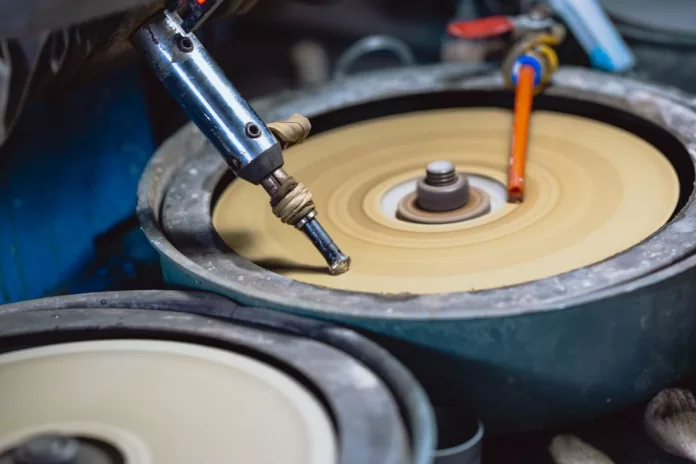
"How fast can you make it?" is the question that opens more conversations than any other, and the answer usually disappoints. A custom ring is not a stocked item pulled from a tray. It is designed, modeled, cast, set, and finished by hand, and each step has a waiting time built in. The honest timeline is measured in weeks, and knowing it in advance is the difference between a calm proposal and a panicked one.
01Week one: consultation and stone selection
The first stage is decision-making, not making. Expect a conversation about the wearer's lifestyle, finger size, metal preference, and the center stone. If the stone is being sourced loose, this is where shipping and inspection time lives. A readily available stone arrives in a few days; a specific cut or color grade may take longer. This stage is largely driven by how quickly decisions are made, so the client who comes prepared moves fastest. Come with photos, a measured size, and a sense of daily wear, and this week can shrink to days.
02Week two to three: design and renders
Once the stone and silhouette are locked, the designer builds a 3D model and produces renders from multiple angles. The client reviews and requests changes. One revision round is normal and welcome; three or four rounds extend the timeline by a week each. Approving the render is the gate before any metal is cut, so this is the moment to be thorough. See our process page for the render-to-cast handoff.
03Week three to four: printing, casting, and rough build
The approved model is 3D printed in wax and investment cast in the chosen metal. The cast piece comes out rough: sprues to trim, gates to file, the basket to align to the stone's exact mm. This bench work cannot be rushed without sacrificing fit. A head that is cut slightly off the seat means the stone sits tilted or loose, which shows up only after setting.
04Week four to five: stone setting and finishing
The center stone is set, prongs are trimmed and shaped, accent stones are flush set or pavéd, and the ring is polished to the final finish. Engraving happens at this stage, laser or hand. The ring then passes a final check: sizing fit, prong tightness, symmetry, and surface finish. This QC pass is non-negotiable and adds a day, but it is why a well-made custom ring does not need a return trip in the first month.
05What you see at each approval gate
A professional atelier does not build blind. At the design gate you see a CAD render from front, side, and top so proportions are judged on screen. At the casting gate you may receive a photo of the raw cast before finishing, so a structural choice can still be changed cheaply. At the setting gate you see the finished ring on a mandrel with the stone seated. Each gate exists so you catch problems when they cost minutes to fix, not hours. Clients who skip these gates to save time usually spend more time later undoing a choice they could have caught on a render.
06What stretches the timeline
07What shortens it honestly
Coming to the consultation with a measured finger size, a chosen metal, and a clear silhouette cuts the design stage sharply. Using an in-stock stone removes sourcing delay. Approving the render decisively removes revision loops. None of these shortcuts reduce quality; they remove waiting on indecision.
08Planning backward from a date
If the ring is needed for a proposal, anniversary, or wedding, start the process at least eight weeks out, and add two more if the stone is being sourced or the design is complex. Build in a buffer for one revision and a final polish pass. A ring that is ready two weeks early is a gift; one that lands the night before the event is a gamble.
If you are up against a hard date, ask the atelier upfront for a fixed delivery commitment in writing rather than a vague estimate. A reputable bench will tell you honestly whether the deadline is achievable, and will rather decline than promise a date it cannot meet. That honesty is itself a signal. If every shop quotes you three days, the difference is not speed; it is which ones skipped the render and QC steps that prevent mistakes.
The bench moves as fast as the decisions allow. Most of the waiting time is not manufacturing backlog, it is the time it takes to make sure the design is right before metal is cut. Respect that gate and the final piece will show why.
The Gemological Institute of America’s gem encyclopedia is an authoritative, widely cited reference on moissanite and diamond quality factors.
09Related Reading
10Frequently Asked Questions
What ring sizes can you supply in bulk?
US sizes 5–12 including half sizes. Send a size breakdown with your order and we cast to that curve; comfort-fit inner bands reduce resize requests.
Can I order a mixed size run instead of one size?
Yes. Mixed runs are standard for wholesale: specify quantity per size and we pack and label by size at no extra labor cost.
What is the MOQ for custom ring designs?
50 pieces per design for existing molds; 100–300 pieces when a new mold or CAD model is required.
How should I price rings for retail margin?
Most partners use a 3–4x markup on FOB cost for sterling and 2.5–3x for moissanite solos, which keeps landed cost under 30% of retail.
Send a sketch or a photo — our setter will answer with stone options and a price band.
Talk to the atelier


