How Long Does Custom Jewelry Last? Realistic Lifespan by
Bench notes · The Journal
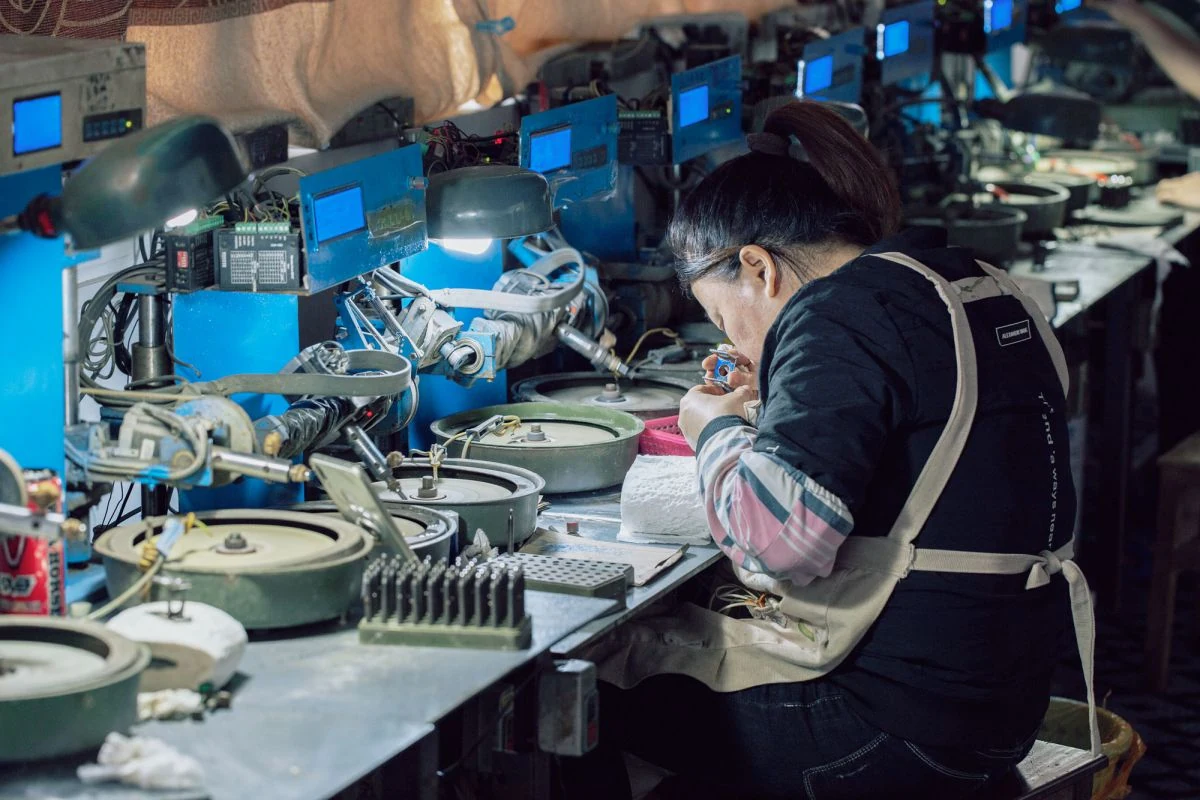
Clients often ask, half-joking, whether their custom ring will still be around in fifty years. The honest answer is that it can, but the timeline is not random. It is set by three things: the alloy chosen, how the stones are set, and how the piece is maintained. A well-built ring that is serviced on schedule is a generational object. The same design, set sloppily, can lose a stone within two years.
01Metal: what actually wears
Precious metals are soft by design, which is what lets jewelers shape them in the first place. Gold and platinum both wear, just at different rates. Platinum is denser and loses metal slowly through wear rather than bending, and it develops a patina that many owners prefer. 14k gold is harder and more scratch-resistant than 18k, which is why it is the default for everyday rings. The thin rhodium plating on a white gold ring is not part of the permanent structure; it wears off over one to three years and is re-plated as routine maintenance. This is normal, not a defect, and budgeting for it matters.
02Stones: the real failure point
Stone longevity is governed by hardness and by how the stone is held. Sapphires, rubies, and moissanite, ranking between 9 and 9.25 on the Mohs scale, survive daily rings. Diamonds are the hardest natural material but can still chip if hit at a sharp angle against a hard surface. Emeralds, opals, and pearls need protective settings and gentler wear. The setting matters as much as the stone: prongs bend and thin over years of catching on fabric, and pavé beads work loose. A ring set with bezel or channel settings weathers decades better than a ring balanced on six thin prongs.
03Where wear shows up first
On a daily-wear ring, the first signs of age are predictable: the back of the shank thins where it rubs against the finger, prongs loosen or bend, and the rhodium plating fades on white gold. None of these mean the ring is failing. They are scheduled maintenance points. A good bench can re-tip prongs, re-shank the band, and re-finish the surface so the ring looks nearly new. These repairs cost a fraction of a replacement, and they are the difference between a forty-year ring and a ten-year ring.
04A realistic service schedule
05Travel, work, and accidental damage
The fastest way to shorten a ring's life is wearing it through activities it was never designed for. Weight lifting, gardening, dishwashing without gloves, and applying lotion all accelerate wear: lotion builds up under prongs, chemicals dull finishes, and knocks against iron are how diamonds chip. This is not a reason to baby the piece. It is a reason to have a backup plain band for gym or travel, and to keep the custom ring for everyday wear that does not involve impact. A ring that survives forty years of office and dinner wear has a very different life expectancy from one worn through construction work. A small weekly rinse in warm, soapy water, followed by a soft cloth, removes the grit and lotion film that would otherwise be rubbed into the metal and under the prongs over months of wear. That habit alone delays the first prong service by years.
06What heirloom status actually requires
Heirloom status is not conferred by a brand. It comes from a design that ages well, meaning not trend-driven and well-proportioned, plus the willingness to service the piece over decades. A plain 14k solitaire with a bezel-set stone can be passed down with a quick polish. A fussy eighties design in thin, worn metal may need rebuilding before it is presentable. When you commission custom work, you are choosing whether the piece will be a repair project or an heirloom in forty years. Choosing a slightly thicker shank, a protective setting, and a restrained design are the cheapest insurance against the former.
07Insurance and documentation
Lifespan is also a paperwork question. A custom piece should be appraised at replacement value and kept on a policy, with photos and the design file stored. If a stone is lost or a ring is stolen, the documentation is what makes replacement straightforward rather than a negotiation. Re-appraise every few years, especially after a re-shank or re-set, because the piece's value and specification have changed. A ring that has been re-tipped and re-finished is the same ring, but the record should reflect it.
If a long lifespan is the goal, spec 14k or platinum for daily pieces, prefer bezel or channel settings for softer stones, and avoid ultra-thin shanks on rings worn every day. For more on upkeep, read our jewelry care guide.
Rhodium plating, which gives white gold jewelry its bright finish, is covered in the Wikipedia article on rhodium.
08Related Reading
09Frequently Asked Questions
How does the custom OEM process work?
Send a reference, sketch or CAD file. We quote, produce a 3D render, then a wax or resin model for approval before casting. Nothing goes to bulk without written sign-off.
How long does a custom sample take?
About 20 days for a new CAD model, including one revision round. Repeat designs reuse the existing mold and ship in 3–5 days.
What is the custom MOQ?
100–300 pieces per design depending on the mold and stone setting complexity.
Do you sign NDAs for private label?
Yes. Private-label clients get an NDA and exclusive mold use for the agreed term.
Send a sketch or a photo — our setter will answer with stone options and a price band.
Talk to the atelier


