Heirloom Diamond Resetting Service: OEM Atelier Standards
Bench notes · The Journal
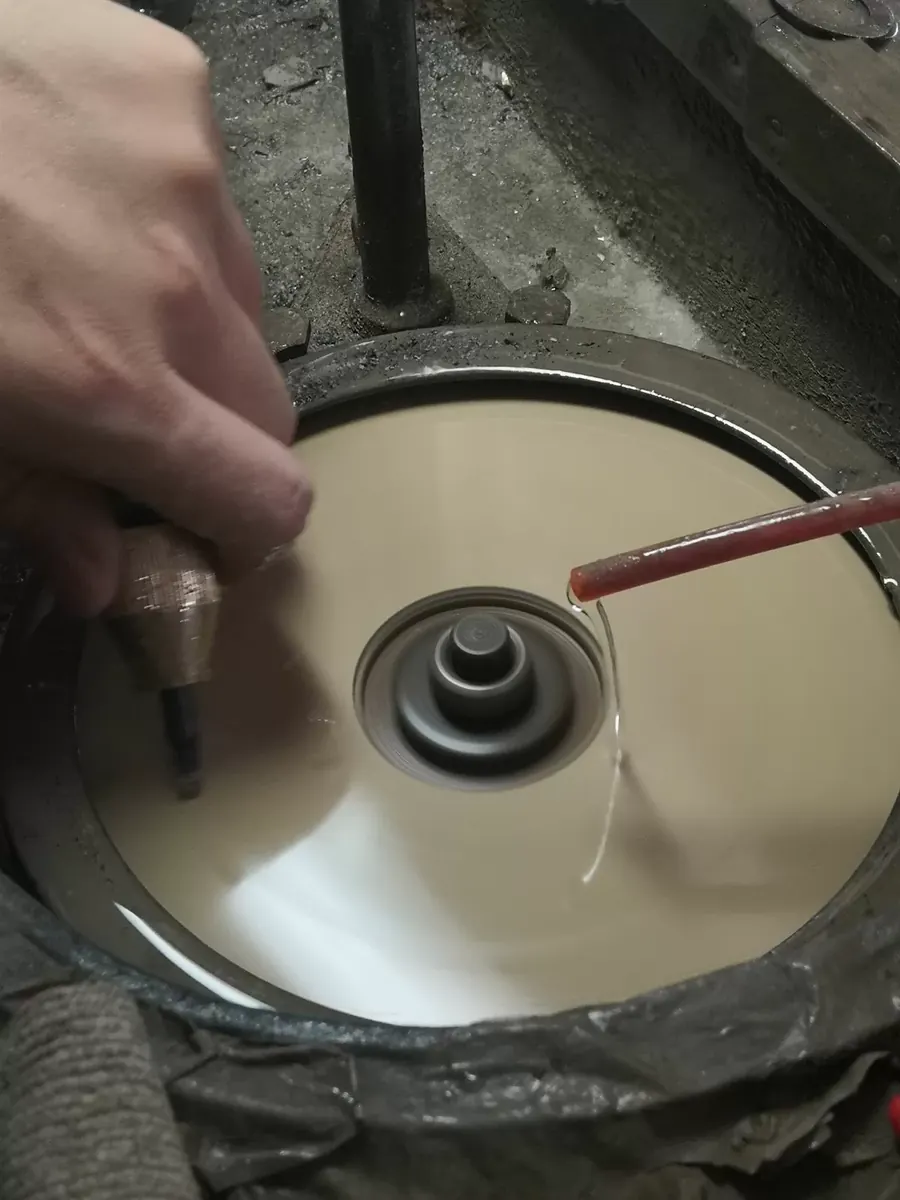
A woman in Toronto brought in her grandmother's engagement ring: a 0.9ct old-mine cut diamond in a worn 1950s platinum setting, with two prongs broken and a chip along the girdle she had not noticed. The stone had no certificate, no paperwork, and a gallery that had nearly snapped. Resetting an heirloom is not a simple setting swap; it is a handover of a family artifact. This is the inspection and reset standard we apply, and the process retailers should quote when a client hands over a grandmother's ring.
01What can go wrong when an heirloom is reset carelessly
Old stones are cut to different tolerances than modern brilliants. An old-mine or European cut often has a thicker girdle, a deeper pavilion, and irregular proportions, so a modern head will not seat it cleanly. A rushed bench can overheat the stone during soldering, chip a brittle girdle, or force the stone into a head that leaves it lopsided. We treat inherited stones as consignment material with a documented condition report before any work begins.
| Risk | Rushed reset | Documented heirloom reset |
|---|---|---|
| Condition record | None | Photo + notes before work |
| Stone heat during solder | Uncontrolled | Heat shield + wet quench checks |
| Head fit | Modern off-the-shelf | Custom seat to old proportions |
| Girdle chips | Not checked | Magnified inspection, documented |
| Post-delivery security | Visual check | 1.5kg prong-pull test |
02The resetting spec we follow
Every heirloom stone passes through the same gates, regardless of value:
Our pull test and heat-control discipline run about 20% beyond a typical jewelry-shop reset, which is the margin between a stone that stays secure for another sixty years and one that comes back loose in a year.
03How to guide different resetting clients
First-time heirloom client: set expectations early. The condition report may reveal chips the client never knew existed; that is why we photograph before work, not after.
High-end / inheritance piece: recommend a modern grading report and a custom seat rather than a stock head. The cost is modest and the documentation protects the piece's value.
Retailers offering our service in-store: we supply a take-in kit with a magnifier and a condition-report form, so your staff can capture the stone safely before sending it to us.
04Frequently Asked Questions
Can an old diamond be damaged during resetting?
Yes, if heat is uncontrolled. We remove the stone whenever soldering is needed, use a heat shield, and inspect it magnified before and after. Old-mine and European cuts are handled as custom seats rather than forced into modern heads.
Does an inherited diamond need a new certificate?
For stones above 0.5ct, we recommend an IGI or GIA dossier. It gives the family a modern grading document and confirms the stone is natural, which is especially valuable if the piece will later be insured or resold.
Can the original gold be reused in the new setting?
Yes. We assay the old metal first, then blend it into a documented karat alloy so the new setting literally contains the family's original gold. The finished piece carries assay documentation.
How long does an heirloom reset take?
A standard reset takes 3 to 4 weeks, including the condition report and the custom seat. If a grading report is commissioned, add 2 to 3 weeks for the lab turnaround.
What happens if a chip is found during inspection?
We document it, photograph it, and pause for client sign-off before proceeding. Often a small chip can be polished into a new finish or hidden under a bezel; we present the options rather than deciding unilaterally.
05Bottom line
Send us your heirloom: book a condition report and we return photos and a reset quote within 5 days. Read about our ring reproduction service, review the bespoke process, or start through our studio.
Gemstone grading terminology used here follows the Gemological Institute of America’s gem encyclopedia.
06Related Reading
Send a sketch or a photo — our setter will answer with stone options and a price band.
Talk to the atelier


