Heated vs. Unheated Gemstones: What Buyers Need to Know
Bench notes · The Journal
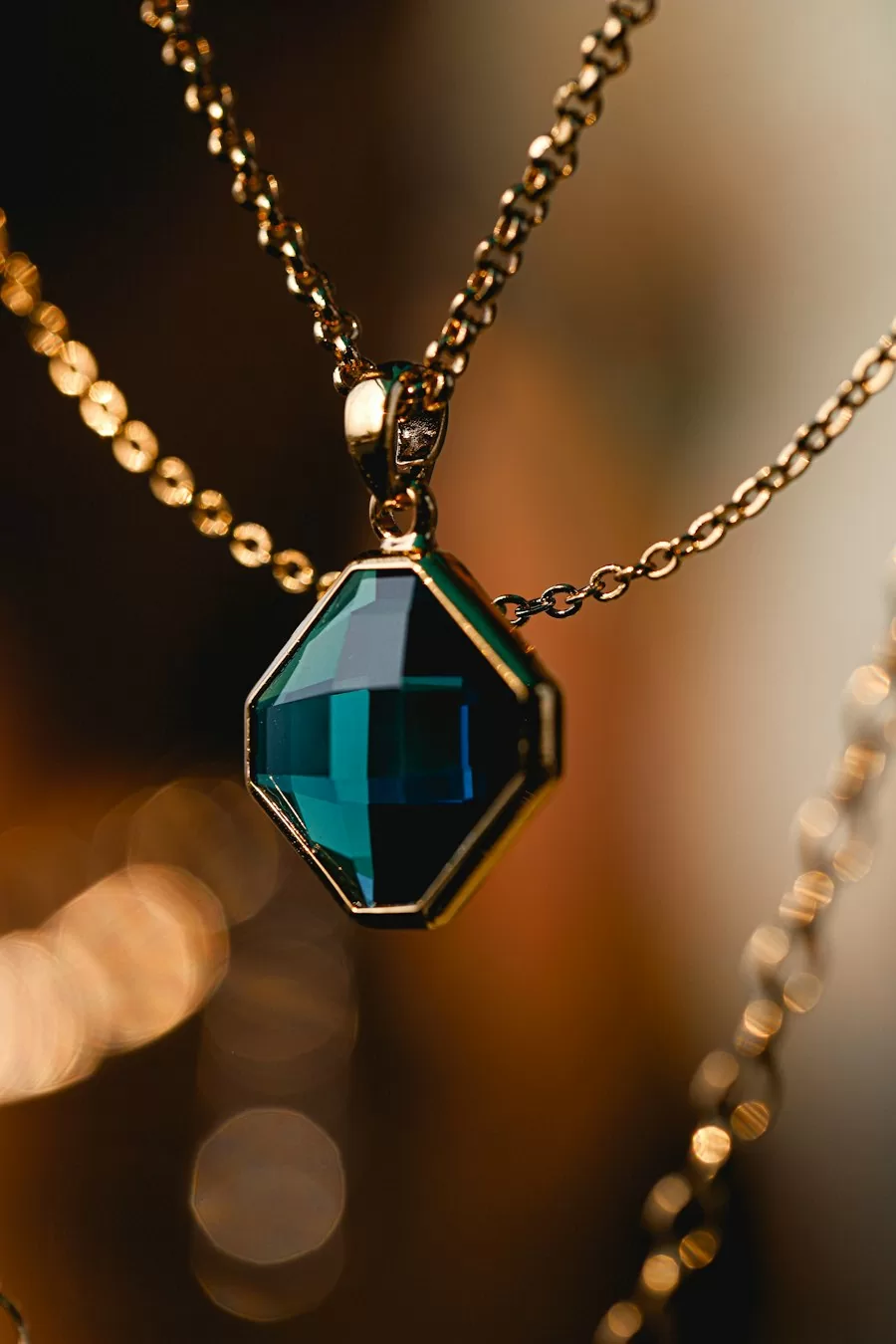
Walk into any colored-stone display and you are almost certainly looking at heated gemstones. Heat treatment is not a modern shortcut, a trade secret, or a sign of a fake. It is a process that has been used for centuries to improve the color and clarity of sapphires and rubies, and it is accepted across the jewelry industry. The confusion starts when sellers market untreated stones as inherently better, or heat-treated stones as damaged. The truth sits in between, and it is worth understanding before you spend money on a custom colored-stone ring.
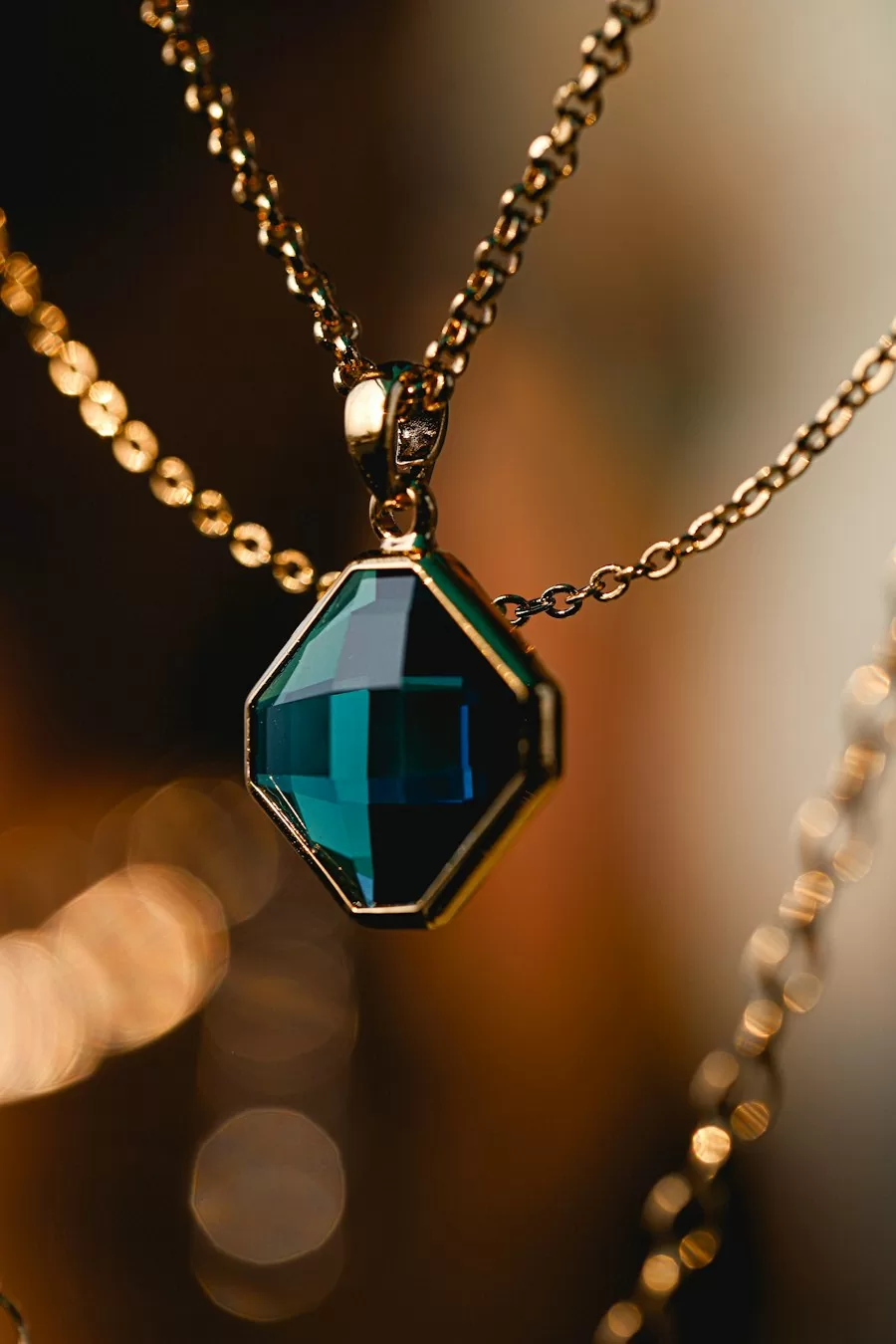
01What heat treatment actually does
Heating a corundum—the mineral that makes both sapphire and ruby—to high temperatures changes what is inside the stone. It can dissolve cloudy silk inclusions, soften the depth of a murky blue, deepen a pale pink, or repair fractures so they become less visible. The result is a more even, more saturated color and a cleaner look through the stone. Crucially, the change is permanent. A heated sapphire will not revert to its old color over time, and the treatment does not make the stone softer or less durable. Corundum ranks 9 on the Mohs scale whether it was heated or not, which is why it is a sensible choice for a ring you wear every day.
What heat does not do is create color that was not there. It improves and stabilizes what nature produced. This is different from fracture filling, dyeing, or other treatments that add foreign material to a stone, and those are the treatments you actually want to avoid because they can degrade over years of wear.
02Why untreated stones cost more
An unheated sapphire or ruby commands a premium, and not because it is more durable. The premium comes from supply: stones that naturally reached a desirable color without intervention are rare, and collectors pay for that rarity. They also come with certification from a lab that confirms no heat. For an engagement ring, that premium is often hard to justify. A well-chosen heated sapphire in royal blue will look nearly identical to an untreated one on your finger, at a fraction of the price. We work through this tradeoff in our custom sapphire ring guide, where we steer most everyday-wear customers toward treated stones and reserve untreated for collectors and heirloom pieces.
03How to read a colored-stone certificate
Unlike diamond grading, colored-stone reports focus heavily on origin and treatment. A GIA or AGL report will state clearly whether a stone shows evidence of heating, and whether the treatment is considered routine. Terms like “no indication of heating” are the ones collectors chase. If a seller cannot produce a report and simply tells you a stone is unheated, that claim is worth very little. Treatment disclosure is part of honest colored-stone trade, and a factory-direct buyer should insist on it the same way they would for a diamond.
04Other treatments you should know
Heat is the benign one. The treatments to watch are the ones that fill fractures or dye the stone. Fracture-filled emeralds and rubies can suddenly clear out or discolor if they are exposed to heat from a jeweler's torch—which is a problem when your ring needs a prong retip. Dyed stones can rub or bleed, especially in porous material like howlite or lower turquoise. When we set a colored stone into a custom mounting, we ask about treatment explicitly because it affects how we work on it later. A filled stone cannot go in the ultrasonic, and it cannot sit near a soldering bench. That is one reason our daily ring care advice differs by stone type.
05What this means for your custom design
For most people designing a colored-stone ring, the smart move is to spend the savings on a better cut, a larger carat, or a setting that protects the stone. A heated royal blue sapphire, set in a bezel that shields its edges, will outperform an untreated pale stone in an exposed prong setting every day. Treat the treatment question as a budget and authenticity conversation, not a durability panic. Ask for the certificate, understand what it says, and let the finger decide.
Where does that leave you when you are comparing two stones on a screen? Ignore the “untreated” sticker unless you are a collector. Compare the face-up color, the cut, and the price per carat, and let the certificate tell you what treatment history the stone carries. A treated royal blue sapphire at half the price of an untreated pale pink one will almost always be the more satisfying ring. The treatment is not a compromise on beauty; it is a normal step that lets beautiful color reach people who are not bidding at auction.
If you are unsure, ask to see both stones side by side in natural light. The certificate tells you what happened to the stone in the furnace. Your eye, in the light you actually live in, tells you whether you love it. Buy the stone you want to look at for the next thirty years, and let the treatment history be a footnote rather than the headline.
Gemstone grading terminology used here follows the Gemological Institute of America’s gem encyclopedia.
06Related Reading
07Frequently Asked Questions
How do I verify a factory before placing a bulk order?
Request a production video, business license, export records and a paid sample run. A factory that accepts a 50-piece test order is usually a real manufacturer.
What payment terms do you offer?
30% T/T deposit with the balance against the bill of lading. This protects both sides on first orders and can move to net terms after a track record.
What is your normal reject rate?
3–5% under 10x loupe inspection for cast and set pieces. Defective units are replaced free in the next shipment.
Where is the factory located?
Wuzhou, Guangxi, China—the core lab-grown and moissanite manufacturing cluster. Shipments go via Guangzhou or Shenzhen ports.
Send a sketch or a photo — our setter will answer with stone options and a price band.
Talk to the atelier


