Half Eternity vs Full Eternity Band: Which Fits Your Life?
Bench notes · The Journal

An eternity band is a ring set with a continuous row of gemstones around its full circumference, symbolizing a love without end. In practice, the decision is rarely that romantic. It comes down to a trade: how much sparkle, and how much flexibility you give up.
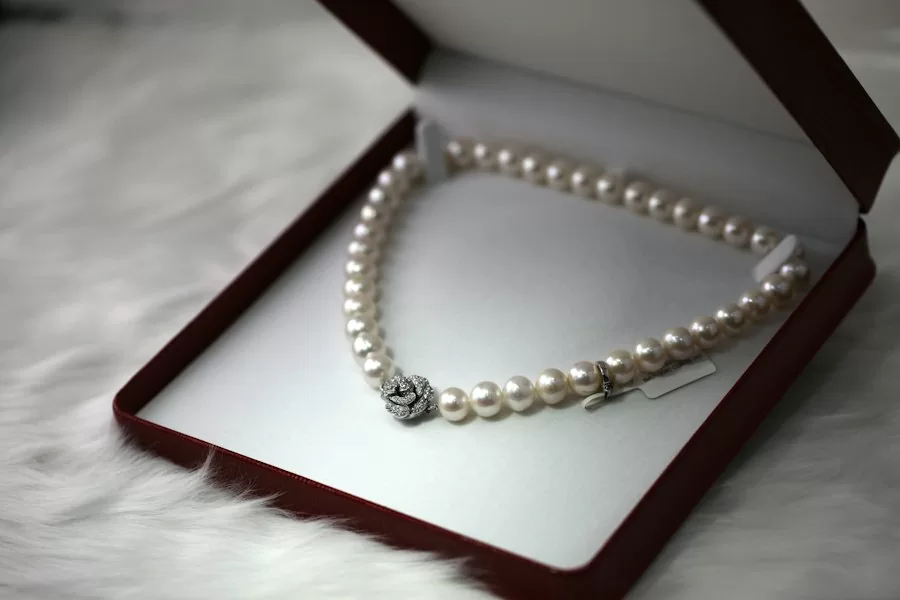
01What half eternity actually means
A half eternity band carries stones across the top half of the ring—the part visible on top of the finger. The bottom half, against the palm, is plain metal. This is the default choice for most couples, and for good reasons:
Visually, a half eternity looks like a full eternity when the ring is sitting on your hand. The back is hidden against your finger anyway.
02What full eternity buys you
A full eternity band puts stones all the way around. It matters in two situations. First, if the ring is worn alone and not stacked with an engagement ring—the back will spin around and show. Second, if the band is designed to be seen from every angle, like a wide statement ring or a stack that rotates on the finger.
Full eternity bands use more stones and more labor, so they cost more per millimeter. They also sit higher on the finger because the stones on the inside press against the skin. Some wearers find them comfortable; others notice the inside edges after a few hours.
03The sizing problem people underestimate
Here is the practical catch: a full eternity band cannot be resized in the usual way. Cutting the shank to stretch it means cutting through a row of stones. The fix is to remove stones from one spot, solder in a new section, and replace the stones. That is doable but expensive, and the new stones will not perfectly match the old ones years later as supply changes.
If you are between sizes, or if your finger size is likely to change—pregnancy, weight shifts, climate changes—half eternity is the safer call. You can go up a half size or down without touching a single stone.
04Stone choice changes the math
Diamonds are hard enough for a full eternity. Sapphires are also fine. Softer stones—opals, emeralds, morganite—should never go in a full eternity because the inside of the finger takes constant friction and pressure. The inside of a ring is the highest-wear surface on jewelry, and soft stones will chip or abrade there within months.
For a half eternity, the stone choice is broader. Because the back of the shank is plain metal, even softer gems can live on the top half safely. That opens the door to colored half-eternity bands that match an engagement ring's accents without the risk of an all-around set.
05Stacking with an engagement ring
If you are choosing a wedding band to sit next to an engagement ring, the half eternity is usually the cleaner stack. A full eternity band can push up against the setting and create a gap at the knuckle, especially if the engagement ring sits high. A half eternity lays flatter because the plain back conforms to the finger's curve.
06Maintenance over decades
Both half and full eternity bands need a prong check every two to three years, but the full version has more points of failure. Each stone on the inside of a full band takes pressure from the finger every time you make a fist. Over years, that pressure can loosen seats. A half eternity puts that wear on plain metal, which simply polishes out. When you budget for the ring, factor in an annual cleaning and a bi-annual prong check; on a full band, that check should be annual rather than every other year. It is a small cost that keeps the row complete.
Insurance is worth asking about, too. A full eternity band is harder to replace if it is lost, because matching the exact stone row and carat total years later is difficult. A half eternity uses fewer stones, and the plain back means a jeweler can remake the band to match your finger size without hunting for a new set. That matters more than most buyers expect when a ring slips off at a beach or a gym.
Try both on if you can. The right choice is the one you forget you are wearing at the end of a long day.
The history and conventions of engagement rings are outlined in the Wikipedia entry on engagement rings.
07Related Reading
08Frequently Asked Questions
How do I verify a factory before placing a bulk order?
Request a production video, business license, export records and a paid sample run. A factory that accepts a 50-piece test order is usually a real manufacturer.
What payment terms do you offer?
30% T/T deposit with the balance against the bill of lading. This protects both sides on first orders and can move to net terms after a track record.
What is your normal reject rate?
3–5% under 10x loupe inspection for cast and set pieces. Defective units are replaced free in the next shipment.
Where is the factory located?
Wuzhou, Guangxi, China—the core lab-grown and moissanite manufacturing cluster. Shipments go via Guangzhou or Shenzhen ports.
Related reading: Full Eternity vs Half Eternity Bands: The Sizing Trade-Off, Sandcasting vs Lost Wax: Which Casting Method Fits Your Piece?, Choosing a Wedding Band That Actually Fits Your Engagement Ring.
Send a sketch or a photo — our setter will answer with stone options and a price band.
Talk to the atelier

