Gold Karat Trade-Offs in Custom Jewelry Commissions
Bench notes · The Journal
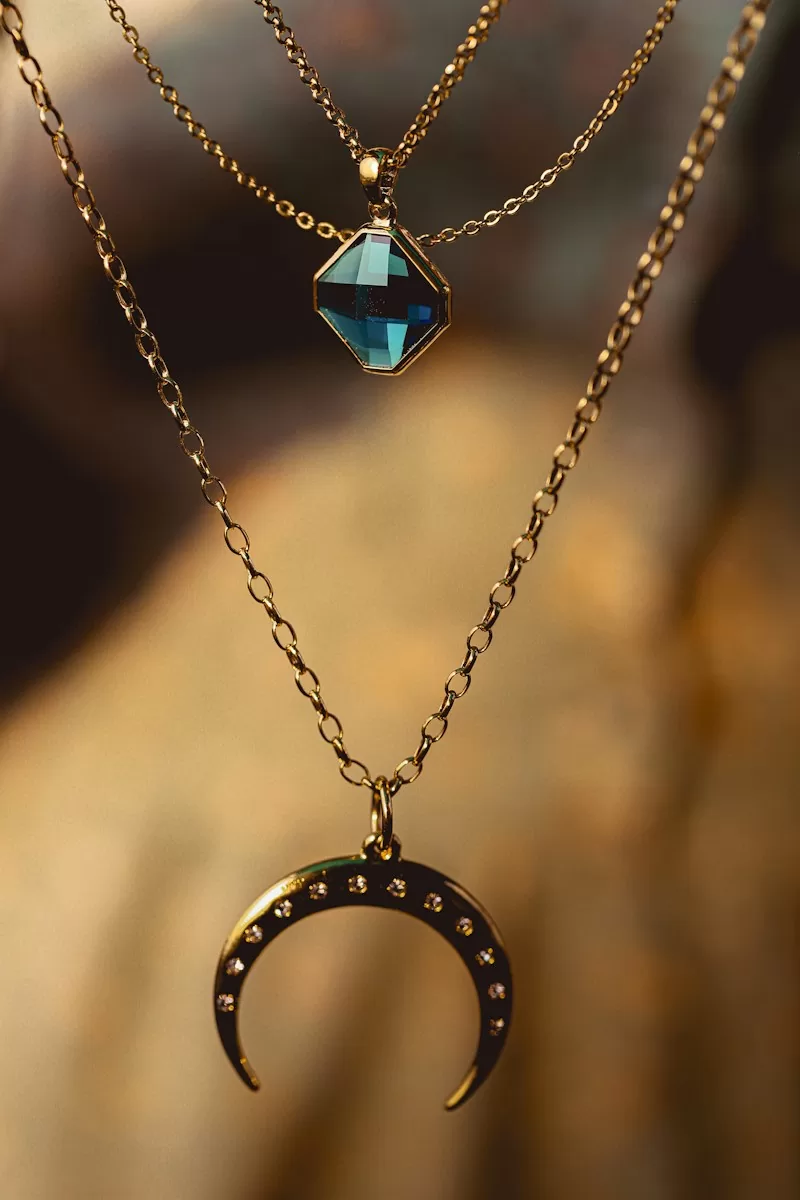
A jewelry startup came to us with a target retail price of $480 for a solitaire and asked for 18K gold because it looks richer. We walked the quote back to 14K and their margin improved by 22 percent without a visible drop in finish. This is the trade-off almost every new brand misses: karat is not a quality signal, it is an alloy engineering choice. Here is how we price it for custom commissions.
01What the karat number actually means
Karat measures parts of pure gold per 24. 24K is pure and too soft for jewelry; 18K is 75 percent gold; 14K is 58.3 percent; 10K is 41.7 percent. The rest is copper, silver, zinc, nickel or palladium. That alloy package is what decides color, hardness, and how the piece wears. The US Federal Trade Commission's Jewelry Guides set the labeling rules, and the 16 CFR Part 23 marking standards define what must be stamped on the inside of the band. We stamp every piece and keep a compliance log.
0210K, 14K, 18K: where each makes sense
For everyday wear rings, 14K is the sweet spot. It is hard enough to hold prong tips and resist dents, it takes a high polish, and the gold content is high enough to read as real gold on the finger. For bridal bands that face constant abrasion, boutiques overwhelmingly order 14K. 18K reads warmer and richer on skin, but it is softer: prongs bend faster, a thin band dents, and resizing opens the wall more easily. We reserve 18K for statement pieces, earrings that do not take abuse, and clients who specifically want the deep yellow tone. 10K is rarely worth the saving for custom work; the higher alloy ratio makes it brittle and the color is noticeably pale.
We explain the color side separately in gold alloy colors, because white gold versus yellow gold is a different decision from karat.
03Cost, weight and the margin math
The karat drives both the gold spot component and the scrap value we return. On a 5-gram ring, moving from 14K to 18K adds roughly 1.2 grams of gold content at today's prices, and the alloy premium compounds. Boutiques that price by same retail, better margin usually land on 14K; boutiques that price by luxury tier land on 18K. Platinum sits above both and we treat it as a separate line, which we cover in gold, silver and platinum trade-offs.
One caution: nickel in white gold. The EU's REACH nickel directive limits nickel release on skin-contact jewelry, and we use a palladium-white gold recipe for any order shipping to the EU. If your brand sells into Europe, write nickel-free white alloy into the PO, because it changes the recipe and the price. You can read the regulatory background on the ECHA website.
04How to choose for a custom commission
Ask three questions: who wears it daily, what is the retail price band, and where does it ship? Daily wear and mid-price retail point to 14K. Occasion pieces and luxury pricing point to 18K. EU skin-contact orders point to a palladium white alloy. We also build the alloy choice into our sampling program; a one-piece sample in 14K lets you photo the piece before you commit to bulk in 18K. See small-run MOQ and sampling for how that sample works.
We also hold a small amount of each alloy on hand so a reorder does not start the melt schedule from zero. That is why repeat customers on a fixed karat see shorter lead times than first-time orders: the alloy is already spec'd, tested, and logged. If your brand runs a seasonal collection in 14K yellow and then switches to 18K rose for the next drop, tell us six weeks ahead so we can order the alloy and align the solders. The karat choice is not just a price decision on day one; it is a production-line commitment that affects reorder speed for the whole year.
Is 18K gold worth the extra cost for an engagement ring?
Visibly warmer, yes; structurally, no. 18K scratches and dents more easily. For a ring worn daily, 14K usually lasts longer. Reserve 18K for yellow-gold bridal where color is the selling point.
Can I switch karat between the sample and bulk order?
Yes, but the CAD model stays the same; only the alloy changes. Tell us before casting the bulk, because the burnout curve and solder selection differ between 14K and 18K.
Why does my white gold order need rhodium plating?
White gold alloy is naturally pale yellow, not white. A rhodium flash gives the bright white look. We include one plating with every white gold order and explain maintenance in in-house repair and replating.
What karat do you recommend for earrings?
14K is standard for studs, 18K for higher-end drops. Hooks and posts take repeated bending, so the extra hardness of 14K reduces bent posts.
We quote 10K, 14K and 18K with weight tickets and return your scrap. If you want a karat decision locked into your brand's price book, talk to us about a private-label custom manufacturing program.
05Frequently Asked Questions
What gold purities and platings do you offer?
Solid 10K, 14K and 18K, plus gold-filled and vermeil. Plated fashion lines use 1–2 micron PVD over brass or 316L.
How do I avoid mislabeling gold products?
Label by construction: solid, gold-filled, vermeil or plated. Mislabeling plated as vermeil is the most common compliance complaint in this category.
Can you stamp karat marks?
Yes. Every solid-gold and vermeil piece is stamped with karat and maker marks, which supports customs and resale claims.
What is the MOQ for gold lines?
50 pieces per design for stock settings; custom CAD work starts at 100 pieces.
Send a sketch or a photo — our setter will answer with stone options and a price band.
Talk to the atelier


