Full Eternity vs Half Eternity Bands: The Sizing Trade-Off
Bench notes · The Journal
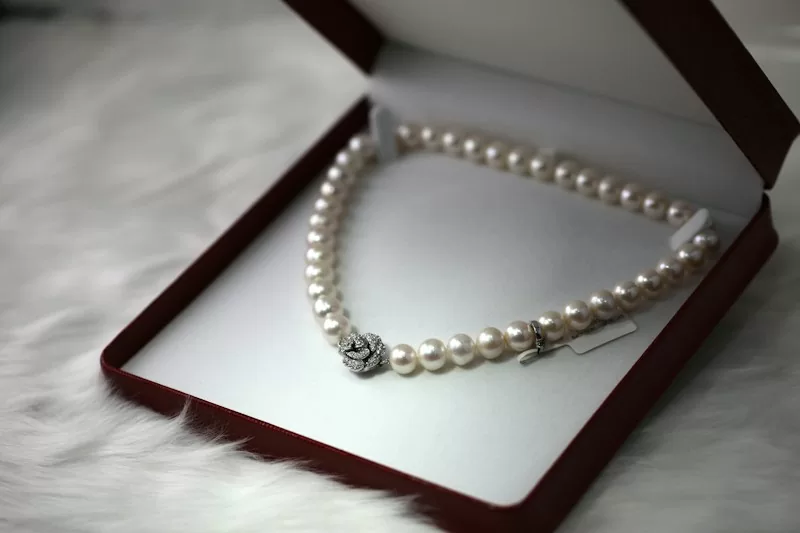
The eternity band is the most romantic band on the bench and the most expensive to fix later. The choice between a full wrap and a half wrap is not just aesthetic; it decides whether the ring can be resized, re-finished, or worn daily for the next forty years. Clients who understand the trade-off before the CAD is approved rarely come back angry.
01What a full eternity band actually is
A full eternity band carries stones around the entire inside circumference of the ring. There is no plain shank, no unbroken gold surface, no place to cut and solder later. The visual payoff is real: the band reads as a circle of light from every angle, and it stacks flush against an engagement ring because there is no top-heavy setting breaking the line.
The cost is structural. Every stone is set into the wall of the shank. Sizing the band means cutting through settings, stretching the metal so every seat drifts, and re-seating every stone afterward. Most ateliers will not attempt a resize on a full eternity; they will offer to remake the band. The remake reuses the stones if they survive removal, but melee stones under 1.5 mm rarely come out intact. The client is often buying new stones for the remake, which is a quiet but real cost.
02What a half eternity band gives up
A half eternity places stones on the top half of the band only, leaving the bottom half, the part that contacts the palm, as plain metal. From the front, it looks identical to a full eternity. From the side, the plain shank is visible, but most wearers never look at their own hand from that angle. The trade-off is purely visual; on a stacked hand, the plain shank is hidden against the neighboring band anyway.
The plain shank is where the ring can be sized. A half eternity can move one or two sizes up or down without disturbing the settings. It can also be re-finished, rhodium-dipped, or re-buffed without working around stones. If the band ever needs a new interior, the bench has a clear section to work on.
03Durability differences most buyers miss
Stones on the inside of a full eternity wear against the palm and against the finger below. Over years, the pavé seats loosen, metal wears thin, and stones can fall out. A half eternity puts the durable plain metal where the friction lives. For a ring worn every day, the half wrap usually outlasts the full wrap by a wide margin, and the annual maintenance cost drops accordingly.
Wide bands over 4 mm face this even more sharply. A 4 mm full eternity has a lot of stone surface grinding against skin; a 4 mm half eternity has a comfortable inner rail that holds up. Narrow full eternity bands under 2.5 mm get a pass because there is less surface area to wear, but they also carry fewer stones to lose.
04The middle path: three-quarter eternity
Some designs split the difference with a three-quarter wrap. Stones cover roughly three-quarters of the circumference, leaving a short plain section on the lower shank for sizing. It reads nearly as full as a full eternity from most angles, and it can be resized once or twice. It is the compromise most ateliers steer long-term clients toward, especially when the wearer's size is not yet locked. The plain section is usually placed opposite the engagement ring, so it is hidden when the bands stack.
05What to specify at design time
If the wearer's size is settled and unlikely to change, a full eternity is a legitimate choice for a piece that lives on a hand that does not manual work. If the wearer's size has fluctuated before, or if the band is being bought as a surprise, build in the sizing margin. Specify the plain section explicitly in the CAD notes. A common mistake is approving a rendering that shows stones all around, then asking for a resize later and discovering the shank has nowhere to give.
Also specify how the stones terminate at the ends of the wrap. A clean stop with a polished rail reads as intentional; a stone that trails off half-set looks unfinished. The transition from stone to plain metal is where budget eternity bands show their seams, and it is worth spending on a clean termination.
06Stacking with an engagement ring
How the eternity band stacks against an existing engagement ring decides whether the wrap looks right. A half eternity placed with the stones on the top half of the finger will sit flush against a solitaire, because the plain shank rests against the solitaire's shank. A full eternity, by contrast, can sit slightly proud because the stones on the inside of the curve interfere with the neighboring band. For a flush stack, a half or three-quarter eternity is usually the cleaner visual result.
Width matching also matters. A 2 mm eternity band stacked against a 2 mm solitaire shank reads as one continuous line. A 3 mm band against a 2 mm shank steps out, which can be intentional but usually reads as a mismatch. Match the shank width when designing the stack.
Compare band widths and stone wraps in our wedding band collection before committing to a wrap style.
The Wikipedia entry on engagement rings gives an independent overview of engagement ring traditions and settings.
07Related Reading
08Frequently Asked Questions
How do I verify a factory before placing a bulk order?
Request a production video, business license, export records and a paid sample run. A factory that accepts a 50-piece test order is usually a real manufacturer.
What payment terms do you offer?
30% T/T deposit with the balance against the bill of lading. This protects both sides on first orders and can move to net terms after a track record.
What is your normal reject rate?
3–5% under 10x loupe inspection for cast and set pieces. Defective units are replaced free in the next shipment.
Where is the factory located?
Wuzhou, Guangxi, China—the core lab-grown and moissanite manufacturing cluster. Shipments go via Guangzhou or Shenzhen ports.
Send a sketch or a photo — our setter will answer with stone options and a price band.
Talk to the atelier


