Designing a Custom Family Birthstone Necklace
Bench notes · The Journal
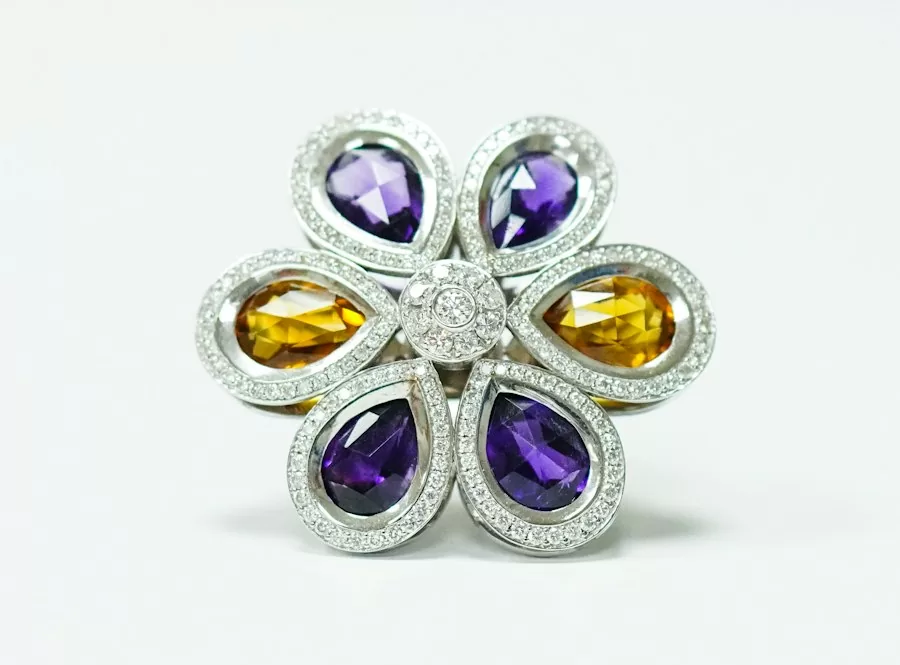
Few custom projects carry as much meaning as a family birthstone necklace. One pendant, several stones, each representing a child, a parent, or a grandparent. The concept is easy to describe and surprisingly easy to get wrong. Too many stones, uneven spacing, and tiny illegible engraving turn a heartfelt piece into a busy charm. Over years of factory-direct custom work, we have settled on a set of design rules that keep these necklaces elegant.
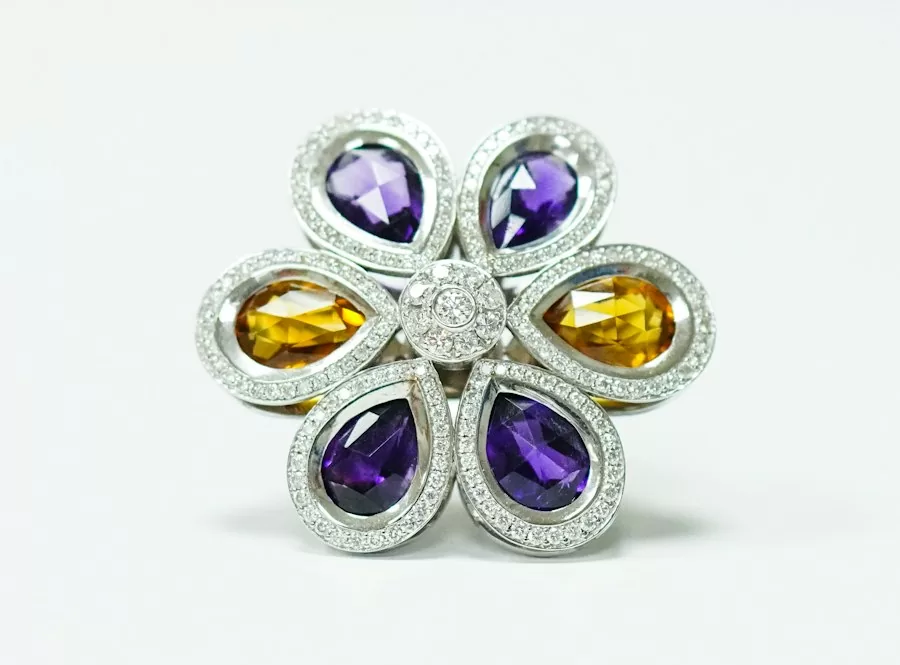
01Start with the count, not the stones
The number of people in the family dictates the entire layout. Three to four stones read beautifully on a slim horizontal bar pendant. Five or six stones work best in a gentle arc or a cluster that widens slightly. Beyond six stones, a single row starts to look crowded, and we usually suggest moving to two staggered rows or a compact cluster arranged like a tiny bouquet. The goal is that the eye travels across the stones, not that every millimeter is filled.
Stone size should step down slightly for the smallest family members rather than using one uniform millimeter. Uniform 3mm stones across five children look mechanical; a graduated set feels considered. We typically keep every stone under 4mm on a bar pendant so the pendant stays light enough for daily wear on a thin chain.
02Spacing is where cheap versions fail
The difference between a mass-produced birthstone necklace and a custom one usually comes down to spacing. Machine-made versions cram prong after prong together with no breathing room. When we design in CAD first, we measure the exact diameter of each stone plus the prong metal required, then leave a small gap of bare metal between settings. That gap is what makes the piece look hand-finished. See how we approach these layouts in our walkthrough of what CAD can and cannot do.
Setting style choice changes the feel. Bezel-set birthstones read modern and smooth, and they protect softer gems like opal, pearl, or turquoise alternatives. Prong-set stones read brighter and let more light through. For a necklace that will be worn daily, bezels win, because prongs on a pendant catch on hair and clothing constantly.
03Engraving names without crowding the stones
Most clients want each child's name next to their stone. The mistake is engraving under every stone on a narrow bar, which forces tiny fonts. Instead, we either engrave the initial only beside the stone and put full names on the back, or we widen the pendant slightly to accommodate a clean script. Our note on what engraving actually lasts covers font depth and legibility, but the key rule here is simple: if the name needs a magnifying glass, the layout is wrong.
04Chain and metal that suit the wearer
A family pendant is an every-day piece, so the chain should not be precious and fragile. A 16 to 18-inch cable chain in the same metal as the pendant is the standard. Rose gold flatters almost every birthstone palette, yellow gold suits warm reds and greens, and white gold makes blue and pink stones pop. If the recipient has metal sensitivities, our guide to gold allergies and irritation explains which alloys to avoid.
05Manufacturing a piece that holds up
Casting a multi-stone bar pendant in lost wax is straightforward, but setting six micro-sized stones in a row demands a steady setter. We set stones one at a time, checking alignment after each, and we avoid soldering the pendant closed until every stone is seated and the engraving is deep enough to survive polishing. The clasp gets a safety or figure-eight option, because a sentimental necklace lost at the airport is the most common regret we hear.
06Budget and timing
The cost is driven less by the birthstones themselves (most are affordable) and more by the number of settings and the handwork. A three-stone piece is a standard build; a six-stone graduated arc is a multi-step project. Plan a normal custom timeline of a few weeks, and if this is a holiday gift, build in buffer and check our rush order timeline before assuming standard lead times.
A well-designed family birthstone necklace becomes the piece someone never takes off. The manufacturing details that make that happen are invisible until you compare it side by side with a catalog version. That contrast is exactly why people come to a factory-direct custom shop in the first place.
07Presenting the piece
Because a family necklace is usually given rather than bought for oneself, presentation matters. We package each pendant in a simple box with a small card noting the birth months represented, so the recipient immediately understands which stone is which. Many clients ask us to engrave the children's names on a separate small charm rather than crowding the bar, which keeps the front clean and legible. The result is a piece that reads as jewelry first and a family tree second, and that balance is what keeps it in daily rotation rather than stored away for sentimental occasions only.
The ASTM F2923 standard for children’s jewelry safety defines the consumer-safety limits applied to children’s jewelry.
08Authoritative References
For buyers who need to verify the technical and regulatory basis of this guide, the following independent institutions publish authoritative reference data:
09Related Reading
10Frequently Asked Questions
Which chain lengths should I stock first?
16 to 18 inch covers most necklines and gift purchases. Add 20 inch for layering sets and 24 inch for pendant lines.
Are your chains nickel-free and hypoallergenic?
Yes. Sterling silver is 92.5% silver; stainless lines use 316L. Both are nickel-safe for reactive customers when plated correctly.
Can necklaces be personalized?
Laser engraving on pendants and clasps is available from 50 pieces, with 3–5 day turnaround on the engraving step.
What is the bulk lead time?
15–20 days under 500 pieces; 25–30 days for custom pendants or new molds.
Send a sketch or a photo — our setter will answer with stone options and a price band.
Talk to the atelier


