Factory Direct Jewelry: What You're Really Getting
Bench notes · The Journal
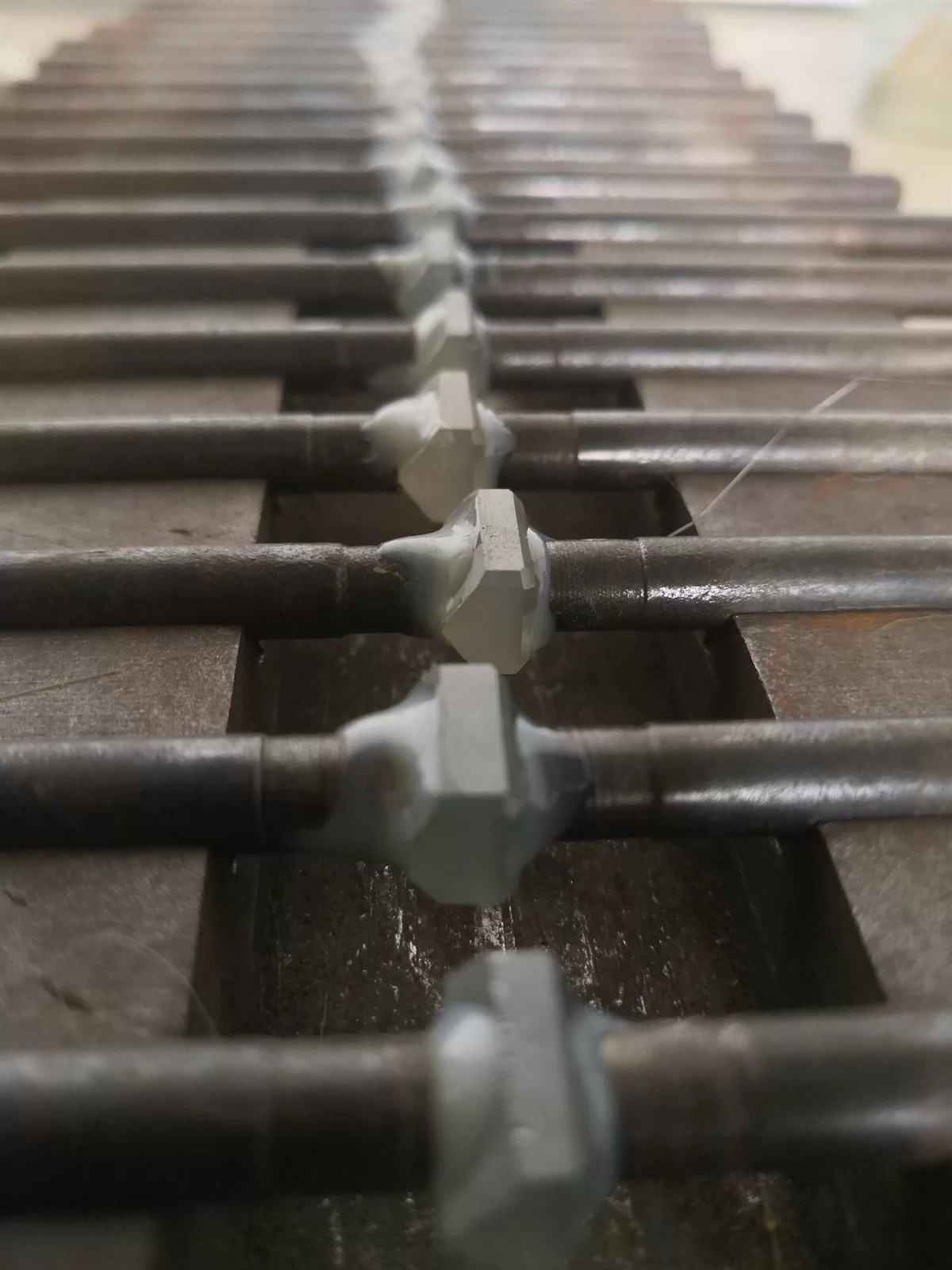
"Factory direct" is thrown around so much that I stopped trusting the phrase a long time ago. Half the shops using it are just retailers who buy from a wholesaler and liked the way the words sound. The other half are the real thing: a workshop that designs, casts, sets, and finishes the piece under one roof, and sells it to you without a store between them.
Since we are the second kind, I want to be honest about what factory direct actually gets you, and what it does not. It is not automatically cheaper on every single item, and it is not a magic quality upgrade. It is a different way the money flows, and once you see that flow, the whole industry makes more sense.
01The chain most jewelry travels through
A typical retail diamond ring travels a long path before it reaches a store window. The miner sells rough stones to a cutter. The cutter sells polished stones to a wholesaler. The wholesaler sells to a distributor. The distributor sells to a retail brand. The retail brand marks it up again and rents a storefront. By the time you buy it, that ring has been resold five times.
Each resale adds margin. Each margin covers overhead: sales staff, lighting cases, rent on a high street, advertising. None of that is evil, exactly, but none of it makes the ring better. It just makes it more expensive.
Factory direct collapses that chain. We source the stone, design the setting, cast it in our shop, set the stone ourselves, and hand it to you. You pay for the materials, the labor, and a reasonable margin for the workshop. You do not pay for the mall lease.
02What you actually gain
In practice, going factory direct changes three things for the buyer:
03What you do not gain
Now the honest part. Factory direct does not mean the stones are magically cheaper than wholesale. We pay roughly the same for a GIA diamond that a retail store pays. It does not mean you can hold the piece in a store before buying, and it does not mean every workshop is equally skilled. Some factory-direct shops cut corners on polishing, prong finishing, or prong tightness. The price is better; the workmanship still varies.
This is why we tell people to compare the model, not just the price. Our article on factory direct versus retail jewelry lays out the trade-offs side by side, and our breakdown of what a custom ring actually costs to build shows where the savings come from line by line.
04How to tell the real factories from the label
So how do you know whether the "factory direct" seller you found is the real thing? Ask them. A genuine workshop will tell you where the piece is made, show you photos of the bench, explain who sets the stones, and talk about casting versus hand fabrication without sounding rehearsed.
If they cannot describe how a ring goes from wax to finished piece, they are resellers wearing a costume. Ask for a work-in-progress photo of your own order. Real makers send these all the time. Resellers cannot, because the ring was never in their hands until it arrived in a box.
05What about the "we make it in-house" claim?
Some shops say "made in-house" when they mean "we design it and send it to a caster." That is normal - a lot of casting is outsourced even by good workshops, because casting equipment is expensive and specialized. The question is not whether every step happens on one bench. It is who is accountable for the finished piece. If the shop you are dealing with sets the stone, finishes the prongs, and stands behind the result, that is factory direct in the way that matters.
We cast some pieces in-house and send others out to a trusted caster we have worked with for years. But we always do the setting, the finishing, and the inspection on our own bench, and we are the people you email when something needs adjustment. That is the line that separates a real workshop from a reseller in a factory-direct costume.
The factory-direct model is genuinely the best way to buy a custom ring if you are comfortable working remotely and you verify who you are dealing with. The savings are real, the customization is real, and the accountability is real. Just make sure the workshop on the other end of the message is the one actually making your ring.
The Gemological Institute of America’s gem encyclopedia is an authoritative, widely cited reference on moissanite and diamond quality factors.
06Frequently Asked Questions
How do I verify a factory before placing a bulk order?
Request a production video, business license, export records and a paid sample run. A factory that accepts a 50-piece test order is usually a real manufacturer.
What payment terms do you offer?
30% T/T deposit with the balance against the bill of lading. This protects both sides on first orders and can move to net terms after a track record.
What is your normal reject rate?
3–5% under 10x loupe inspection for cast and set pieces. Defective units are replaced free in the next shipment.
Where is the factory located?
Wuzhou, Guangxi, China—the core lab-grown and moissanite manufacturing cluster. Shipments go via Guangzhou or Shenzhen ports.
Related reading: Buying Custom Jewelry Direct From the Factory, How Much Does Custom Jewelry Really Cost? Honest Breakdown, How to Launch a Private Label Jewelry Brand With a Factory Partner.
Send a sketch or a photo — our setter will answer with stone options and a price band.
Talk to the atelier


