Which Gemstones Survive Everyday Wear? A Hardness Guide
Bench notes · The Journal
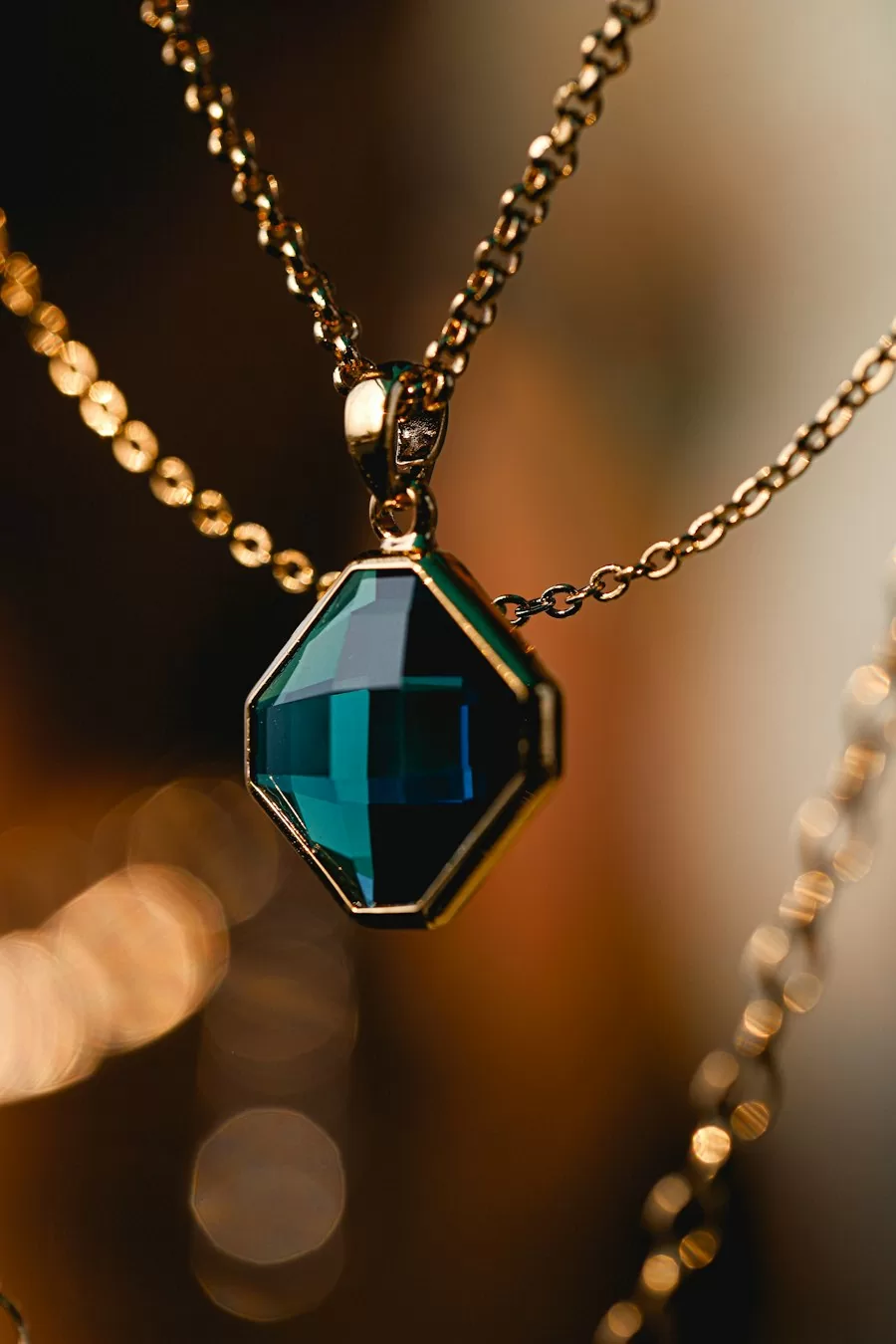
Choosing a colored gemstone for a ring you intend to wear daily is not the same as choosing one for a pendant that lives in a jewelry box. Hardness, measured on the Mohs scale, tells you how resistant the stone is to scratching. Toughness tells you how likely it is to chip or crack when bumped. A stone can be hard and still crack if it has cleavage. Getting both right is how you end up with a ring you never take off.
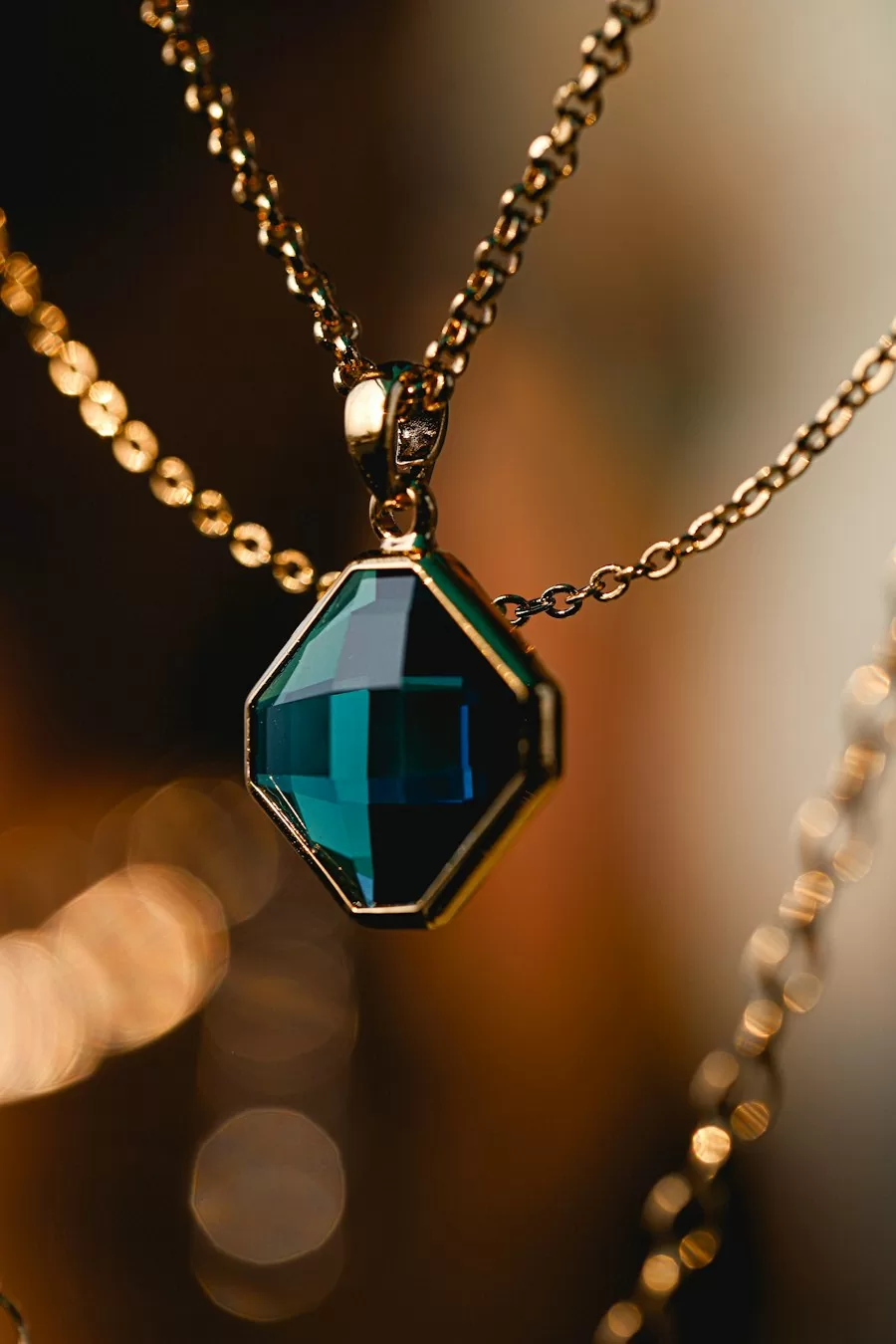
01The Mohs scale, briefly
Mohs hardness runs from 1 (talc) to 10 (diamond). What surprises people is that the scale is ordinal, not linear: diamond at 10 is not twice as hard as quartz at 7; it is dramatically harder. For jewelry, the practical cutoff is around 7. Below that, ordinary dust and sand—which sit near 7 on the scale—will scratch the stone over time.
02The everyday leaders: sapphire and ruby
Corundum (sapphire and ruby) sits at 9, second only to diamond. It scratches almost nothing can mar, and its toughness is excellent. This is why sapphire engagement rings have become the default alternative to diamond. They are not indestructible—a hard knock along a girdle can chip them—but for daily wear they are genuinely in the top tier. If you want to see how we build one, our custom sapphire ring guide walks through the mounting choices.
03Strong contenders: spinel and aquamarine
Spinel, at 8, is having a moment for good reason. It is hard, has no problematic cleavage, and comes in colors from pale lavender to vivid red. It is an excellent daily gem. Aquamarine, also around 7.5 to 8, is tough enough for rings—its main risk is not scratching but accidental heat or impact cracking on very large clean stones.
04Beautiful but cautious: emerald, topaz, amethyst
Emerald sits at 7.5 to 8 on hardness but has significant cleavage and is commonly oil-filled. It can absolutely be worn daily, but it belongs in a protective bezel or halo setting, not in a bare four-prong solitaire that catches doors. Our setting guide explains why protective mounts change the equation.
Topaz (8) is hard but has perfect cleavage; a single sharp knock can cleave it. Amethyst and citrine (7) scratch more readily than people expect, especially if worn against granite countertops. They are great for pendants, earrings, and occasional rings. For a 24/7 band, we usually steer clients elsewhere.
05Leave them off the hand: opal, turquoise, pearl
Opal (5.5 to 6.5), turquoise (5 to 6), and pearls (2.5 to 4) are not ring stones for everyday wear. They scratch, craze, and degrade from oils, heat, and household chemicals. They belong in pendants, earrings, and pieces you wear to events. We will happily make one—we just want you to know what you are signing up for.
06Settings that rescue softer stones
If you love a softer stone, the right setting compensates. Bezel settings wrap the girdle in metal, shielding the edge from chips. Halo settings surround the center stone with small diamonds, which both protect and distract. Channel and pavé bands rarely put the center stone at risk. A low profile also helps: a stone that sits close to the band takes fewer knocks than one that towers above it.
07Treatments and stability matter as much as hardness
Hardness is not the whole story. A stone that has been heavily fracture-filled or oil-treated can degrade over years of skin contact and cleaning. Emerald is the classic case: most on the market are oiled, and the oil slowly dries, leaving surface fractures visible. That is not failure; it is the nature of the gem. We disclose treatment status on every colored stone we set, and we recommend cleaning methods that do not accelerate it.
Stones that have been heat-treated to improve color—most sapphire on the market—are generally stable and permanent. Diffusion-treated stones, which get color added to a thin surface layer, can fade if re-polished. We avoid setting diffusion-treated stones in mounts that will ever need re-finishing.
08Cleaning and care for colored gems
Most colored gems are safe in an ultrasonic, but emeralds and any oil-treated stones should skip it. Warm soapy water and a soft brush are the universal safe answer. Our guide to at-home ring cleaning covers what works for each stone type. The main rule: keep any gemstone away from chlorine bleach and hot tubs.
The best daily gem is the one you actually love looking at. If that means a protective emerald mounting rather than a sapphire, we will build the protective version. The goal is a ring that survives your life, not a ring that forces you to change your life.
The International Gem Society moissanite guide explains how moissanite performs in daily wear compared with diamond.
09Authoritative References
For buyers who need to verify the technical and regulatory basis of this guide, the following independent institutions publish authoritative reference data:
10Related Reading
11Frequently Asked Questions
How do I verify a factory before placing a bulk order?
Request a production video, business license, export records and a paid sample run. A factory that accepts a 50-piece test order is usually a real manufacturer.
What payment terms do you offer?
30% T/T deposit with the balance against the bill of lading. This protects both sides on first orders and can move to net terms after a track record.
What is your normal reject rate?
3–5% under 10x loupe inspection for cast and set pieces. Defective units are replaced free in the next shipment.
Where is the factory located?
Wuzhou, Guangxi, China—the core lab-grown and moissanite manufacturing cluster. Shipments go via Guangzhou or Shenzhen ports.
Send a sketch or a photo — our setter will answer with stone options and a price band.
Talk to the atelier


