Engagement Rings Without Diamonds: What We Actually Cast
Bench notes · The Journal
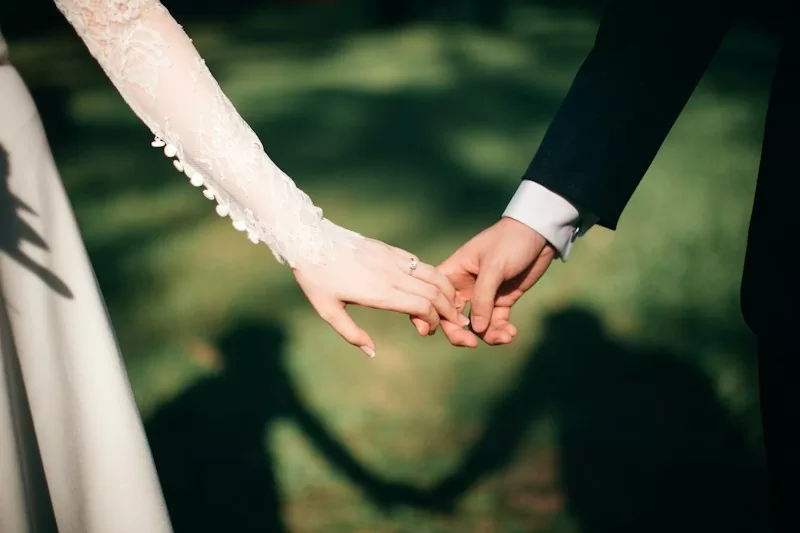
The engagement ring does not have to be a diamond. We build plenty of rings that way, and more clients ask about alternatives every year. The reasons are personal: budget, taste, ethical preference, or simply a love of color. On the bench, the question is not "diamond or not" so much as "what stone or metal will actually survive being worn daily."
01Sapphire: the workhorse
Sapphire is the second-hardest common gemstone after diamond, at 9 on the Mohs scale. It takes daily life, it scratches very little, and it comes in blue, pink, yellow, padparadscha, and clear white (fancy sapphire). A blue sapphire in a bezel or six-prong head is one of the most durable engagement rings we build. It is also usually less expensive than a diamond of the same visual size. For a client who wants a color and a ring that lasts, sapphire is our default recommendation.
02Emerald: the romantic one
Emerald is beautiful and soft. It ranks 7.5 to 8 on Mohs, and it has natural inclusions that can crack if knocked. An emerald engagement ring is a ring for a gentle life, not a working hand. It reads romantic, vintage, and rich. We build it, but we build it in a bezel and we tell the client to treat it gently. If you want the emerald look without the softness, an emerald-cut diamond gives you the shape with the durability.
03Moissanite: the bright alternative
Moissanite is a lab-grown stone that looks like a diamond but reads brighter and more colorful. It is nearly as hard as diamond, less expensive, and ethically uncomplicated. We build moissanite rings for clients who want the diamond look on a smaller budget. Our honest comparison is in moissanite vs diamond, which covers the light, the price, and the long-term feel.
04Aquamarine, morganite, and other soft stones
These are beautiful colors, but they rank 7.5 to 8 and scratch more easily. We build them as occasional or dinner rings. As engagement rings worn every day, they will show wear within a couple of years. We will build them if a client loves the color, but we will say: this is not the stone for a working hand. For active lives, our active-life ring guide points to sapphire or diamond.
05No stone at all: the plain band
Some clients want an engagement ring that is just a band. A wide gold or platinum band, engraved with a date, worn as the engagement and wedding ring in one. It is a quiet, modern choice that ages beautifully. Our note on wedding band metals that age beautifully covers how a plain band develops over decades, and our engraving what lasts note covers the inscription side.
06The metal choice when there is no diamond
Without a center stone, the metal and the finish carry the whole ring. 14k gold and platinum are the honest defaults. White gold works but needs rhodium. We cover the aging trade-offs in wedding band metals that age beautifully.
07What it costs
A sapphire engagement ring usually costs less than a diamond of the same visual size. Emerald and colored stones vary widely. A plain band is the least expensive option of all. Our custom ring budget breakdown shows how stone, metal, and setting compare across these options, so you can choose on the numbers rather than the marketing.
08The honest note
An engagement ring without a diamond is not a compromise. It is a choice. Choose a stone that matches your life: sapphire for daily wear, emerald for a gentle life, moissanite for the diamond look on a budget, or a plain band for the quiet route. We build all of them, and the rings we build this way are the ones clients wear for decades, because they chose the ring that fits their life rather than the ring the catalog said they should want.
09The budget honest note
Going without a diamond does not automatically save money. Fine sapphires in good colors cost real money, and emeralds with clean clarity are priced close to diamonds. The savings come when you choose a stone that is abundant: a lighter blue sapphire, a white sapphire, or moissanite. A plain band is the cheapest option of all. We will price the options side by side so you see the numbers, not the marketing. The point of a non-diamond ring is usually meaning and color, not bargain. If your goal is purely to spend less, a small well-cut diamond beats a large soft colored stone on durability. Choose for the reason that matters to you.
10Bottom line
Sapphire, emerald, moissanite, or no stone at all. Pick the durability you need, the color you love, and the budget you have. We will cast it, set it, and finish it to last. The engagement ring is not the diamond. It is the ring you will wear every day, and that is the part that matters.
The Wikipedia entry on engagement rings gives an independent overview of engagement ring traditions and settings.
11Frequently Asked Questions
Is moissanite a good diamond alternative for retail buyers?
Yes for price-sensitive customers who want brilliance and hardness. Moissanite ranks 9.25 on the Mohs scale, holds up to daily wear and costs a fraction of a natural diamond of the same size, so it resells fast in bridal and fashion lines.
What is the minimum order for wholesale moissanite?
MOQ starts at 50 pieces per design for stock items. Custom cuts and private-label settings usually start at 100–300 pieces depending on the mold.
Do you provide certificates with moissanite stones?
Yes. Every parcel ships with GRA or IGI documentation listing carat weight, color grade and cut. We recommend passing the certificate to your end customer for trust.
How long does sample and bulk production take?
Samples ship in 3–5 days. Bulk runs take 15–20 days under 500 pieces, and 25–30 days for custom work.
Related reading: Bypass Engagement Rings: What the Setting Actually Does, How to Choose an Engagement Ring Setting That Actually Lasts, Solitaire vs Halo Engagement Rings: A Bench-Level Comparison.
Send a sketch or a photo — our setter will answer with stone options and a price band.
Talk to the atelier


