Custom Emerald Engagement Rings: A Factory Buyer's Guide
Bench notes · The Journal
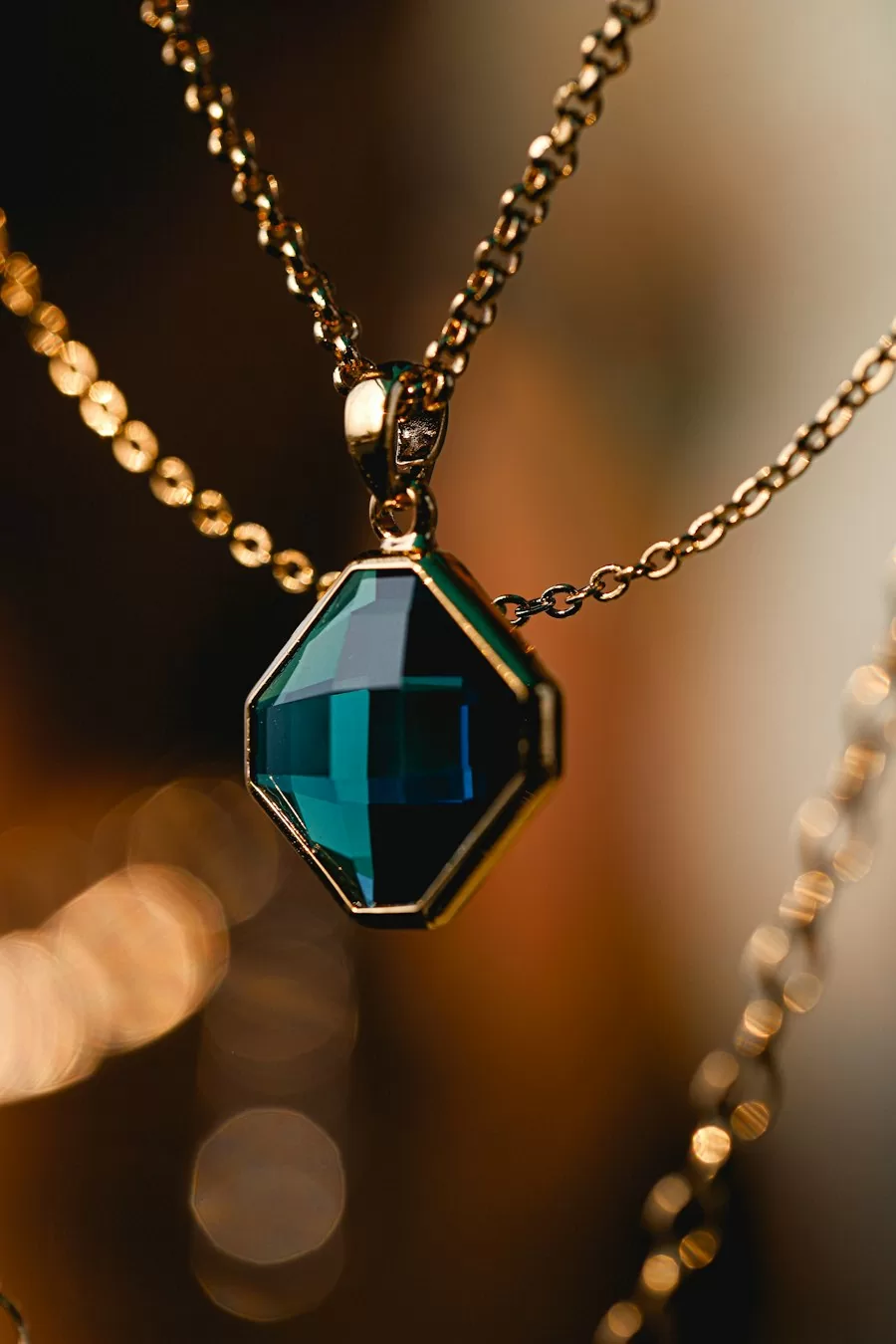
Emeralds have carried romance for centuries, but they are not diamonds with a paint job. As a custom jewelry manufacturer, we see two mistakes repeatedly when clients spec an emerald center stone: choosing a setting designed for a tougher gem, and assuming the stone in the catalog photo will survive daily hand wear. If you are planning a custom emerald engagement ring, the design process has to start with the gem itself, not the mounting.
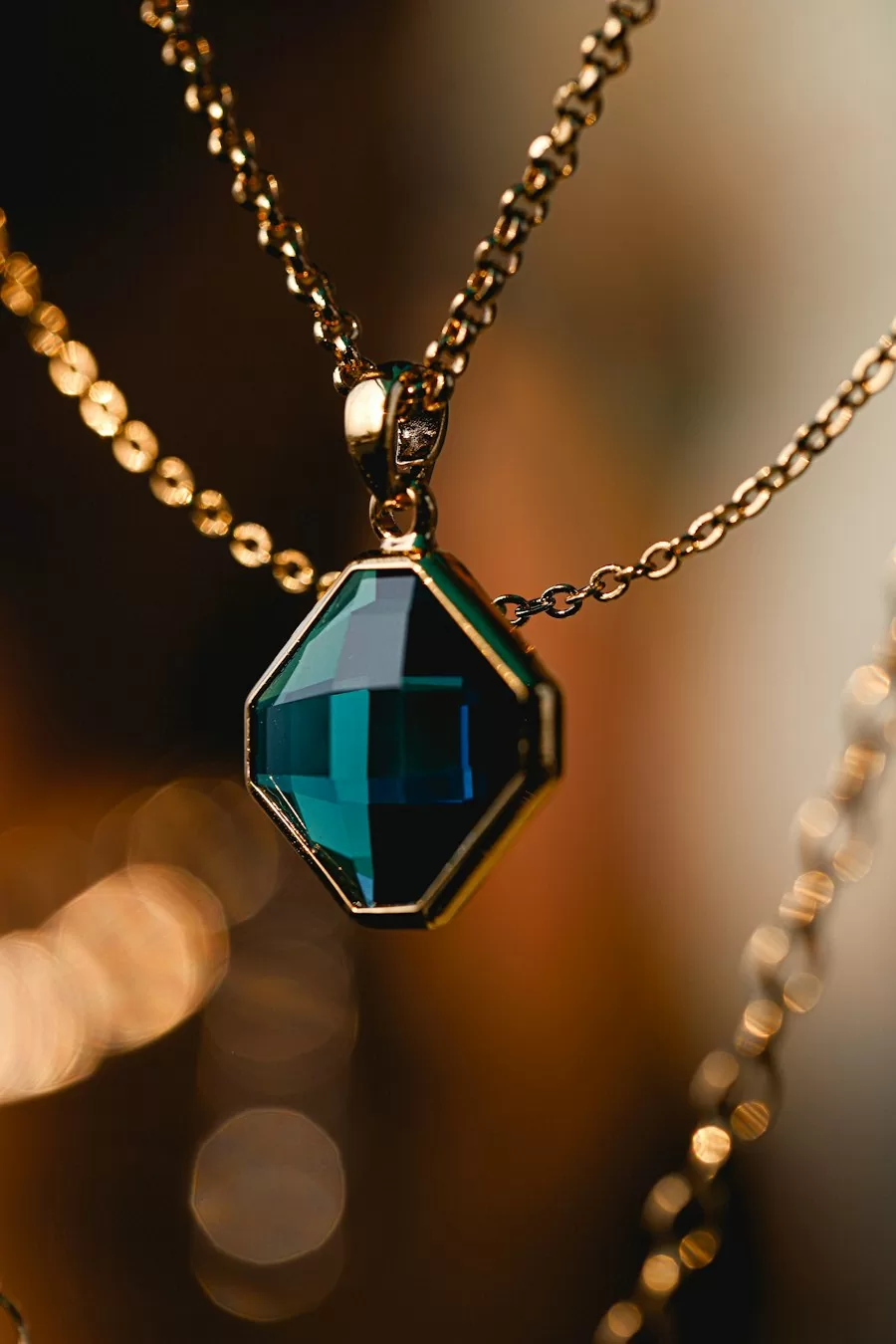
First, understand what you are actually buying. Emeralds sit around 7.5 to 8 on the Mohs scale, which sounds durable, but hardness is only half the equation. Toughness matters more for a ring that faces knocks, and emeralds are moderately tough at best. Their characteristic internal fractures and three-phase inclusions (the trade calls it jardin, or garden) are how most emeralds form, and they run parallel directions that can split under a sharp blow. Unlike a diamond, which shrugs off a bump, an emerald can chip along an inclusion line if it catches a counter edge.
Virtually all gem emeralds on the market are oiled or resin-filled to minimize the appearance of those fractures. The oils and resins eventually migrate out, especially with heat, ultrasonic cleaning, and sweat. That does not make the stone fake, but it means you should expect to re-oil the stone every few years through a qualified lapidary, and you should never assume an emerald can live in an ultrasonic tank. We cover which stones can and cannot go in a tank in our guide to ultrasonic cleaning safety.
01Cut and shape decisions that protect the stone
The classic emerald cut is not just an aesthetic tradition. Step-cut facets with clipped corners were developed to reduce the pressure points that make emeralds crack. A sharp, unclipped corner is a chip waiting to happen, and a round brilliant forces extra stress through the girdle. When you custom design, we can work with you to keep clipped or beveled corners on any rectangular or cushion-style emerald, and we avoid thin girdles that act as a natural cleavage plane.
Color and clarity are graded differently for emeralds than for diamonds. A slightly included emerald with vivid, even green is almost always the smarter buy than a clean stone of pale color, because buyers look first at the green. When we source factory-direct, we compare stones side by side under both daylight and warm indoor light, since emerald color shifts noticeably between the two. If you want to understand why the same stone looks different at home versus the showroom, our piece on color under warm light explains the same optical principle across gem types.
02The setting has to protect, not just show off
This is where most off-the-shelf rings fail an emerald. A four-prong solitaire leaves wide open gaps where a corner can take a direct hit. For a daily-wear emerald ring, we lean toward a partial or full bezel that wraps the girdle, or a cathedral-style basket that lifts the stone off the band edge. The cathedral and bezel setting guide breaks down the trade-offs, but for emeralds the bezel almost always wins on long-term durability.
Metal choice matters too. Yellow gold historically pairs with emerald because warm metal complements the green and hides minor surface wear; platinum works beautifully but transmits more thermal shock to the stone. Whatever you choose, ask the setter to use closed-back settings rather than open galleries. A closed back acts as a cushion and reduces temperature swings that can dry out the oil filling.
03What to expect in manufacturing
Custom emerald work follows the same path as any lost-wax casting, but the setting stage is slower. We cast the mounting, fit the seating to the exact culet and girdle measurements of your specific stone (not a catalog size), and set the stone with controlled pressure rather than the press used for diamonds. After setting, we photograph the piece under magnification to confirm no new fractures opened during setting, and we hand-finish rather than tumble the ring, since tumbling can knock a fragile stone.
Budget realistically. You are paying for the stone, the protective mounting, and extra bench time. Compare quotes carefully across vendors, because a low bid usually means a standard solitaire setting that the emerald will outgrow in two years. Our guide to comparing jewelry quotes helps you read what each price actually includes.
04Who should choose an emerald?
An emerald engagement ring is ideal for someone who works with their hands less, who understands the maintenance, and who values a unique, colored center stone over the refractive sparkle of a diamond. If your partner rarely takes off jewelry and works at a keyboard all day, it is a romantic and durable-enough choice. If they garden, cook heavy meals, or lift weights with the left hand daily, we will usually steer the conversation toward a sapphire or a protected setting in platinum.
The payoff is a ring no one else owns. Because every emerald is one of a kind and the mounting is built around that exact stone, a custom emerald ring cannot be replicated off a shelf. That is the real reason factory-direct custom manufacturing fits this gem so well.
Independent background on moissanite — how its hardness and refractive index compare with diamond — is documented in the Wikipedia article on moissanite.
05Related Reading
06Frequently Asked Questions
What ring sizes can you supply in bulk?
US sizes 5–12 including half sizes. Send a size breakdown with your order and we cast to that curve; comfort-fit inner bands reduce resize requests.
Can I order a mixed size run instead of one size?
Yes. Mixed runs are standard for wholesale: specify quantity per size and we pack and label by size at no extra labor cost.
What is the MOQ for custom ring designs?
50 pieces per design for existing molds; 100–300 pieces when a new mold or CAD model is required.
How should I price rings for retail margin?
Most partners use a 3–4x markup on FOB cost for sterling and 2.5–3x for moissanite solos, which keeps landed cost under 30% of retail.
Send a sketch or a photo — our setter will answer with stone options and a price band.
Talk to the atelier


