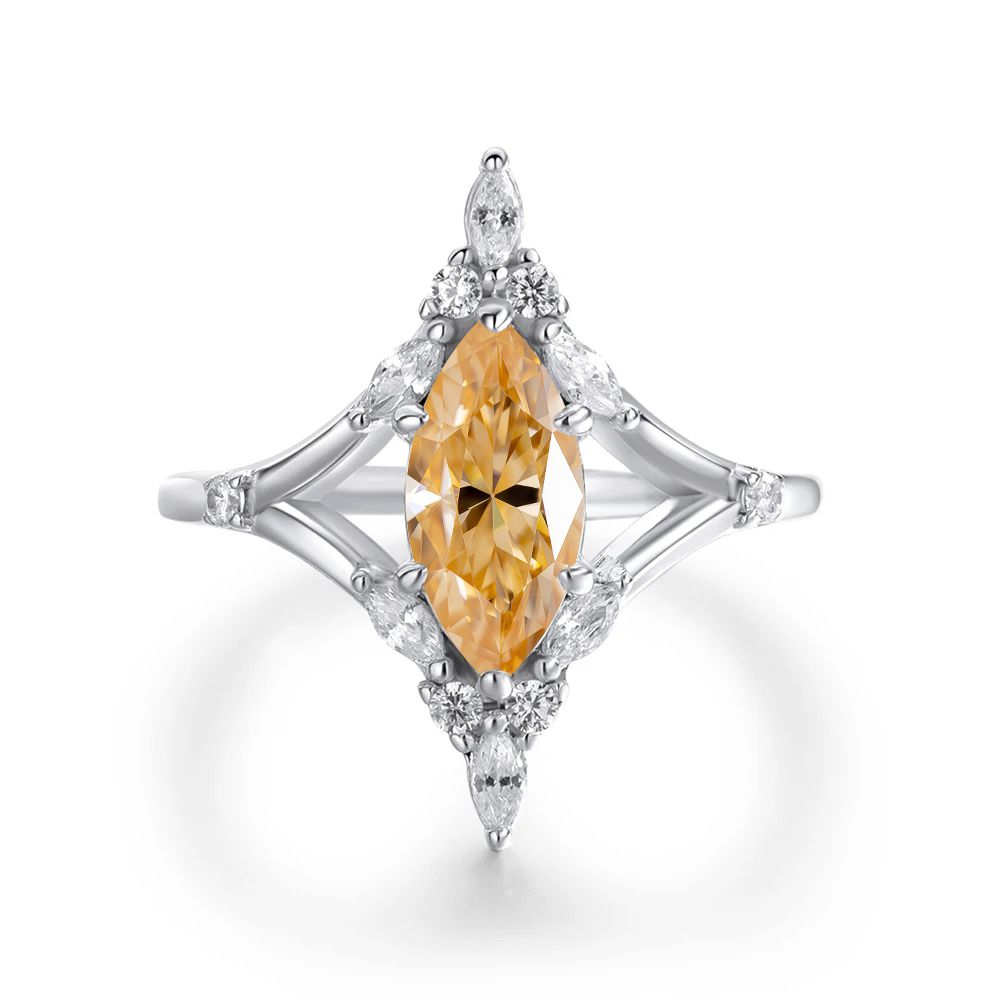
Most of the rings we service do not fail from accidents. They fail from hand cream, dish soap, chlorine and the habit of wearing a ring to the gym. A three-minute routine once a week prevents almost all of it.
What dulls a ring
Gold does not tarnish, but the film on top of it does. Soap, lotion, sunscreen and cooking oil build a translucent layer that kills the brightness of the metal and the fire of the stone underneath. Clients often think the stone has gone cloudy. Almost always it is the film.
Rhodium plating on white gold wears thin at the high points first, usually the bottom of the shank and the tips of the prongs, after roughly 18 to 30 months of daily wear. It is a $60 to $90 job and takes two days, and it is normal maintenance rather than a defect.
What actually damages it
- Chlorine. Swimming pools and hot tubs. It attacks the alloying metals in gold and can pit a 14k band over repeated exposure. Take the ring off, or at least rinse it thoroughly straight after.
- Lifting weights. A knurled steel bar against a 2mm gold band will deform it. This is the single most common cause of a bent shank we see.
- Gardening and cleaning. Abrasives scratch metal, and a prong that is already thin can be pulled by a glove.
- Thermal shock. A hot pan into cold water is fine for the gold. It can crack a stone with an existing feather or inclusion.
- Storage. Two rings loose in a drawer grind against each other for years. Separate them or use a pouch.
Water alone is not a problem. Washing your hands with the ring on is fine. The issue is what is dissolved in the water and what is on your hands before you reach for the tap.
The routine
- Plug the sink, or work over a bowl. Stones come out during cleaning more often than you would think.
- Warm water, one drop of mild dish soap, no lemon or ammonia cleaners on plated white gold.
- A soft baby toothbrush. Brush the underside of the stone, where the film actually collects. Thirty seconds there is worth more than two minutes on the top.
- Rinse under warm running water, holding the ring closed in your palm.
- Dry with a lint-free cloth. A microfibre towel is fine. Paper towel can leave fibre behind in a prong gap.
- Look at the prongs once, while it is clean and bright. Any dark line between prong and stone is the thing to watch.
That is under three minutes. Once a week is plenty. Between cleanings, a quick wipe on a soft cloth after you take the ring off for the night removes most of the film before it sets.
Things we tell clients not to do
No ultrasonic cleaners on emeralds, opals, pearls or any stone with a fracture. Vibration and heat are the wrong combination for those. No toothpaste as polish, because the abrasive is harder than the metal. No jewellery dip on rhodium-plated white gold. No wearing the ring in a chlorinated pool, and no wearing it to move furniture.
And bring it in once a year for a cleaning and a prong inspection. We do that at no charge for rings we built, and it takes us ten minutes. Two of the resets we did last year would have been avoided entirely by one inspection twelve months earlier. The ring does not need to be babied. It needs to be looked at.