Designing a Custom Pendant: Size, Chain, and Stone Choices
Bench notes · The Journal
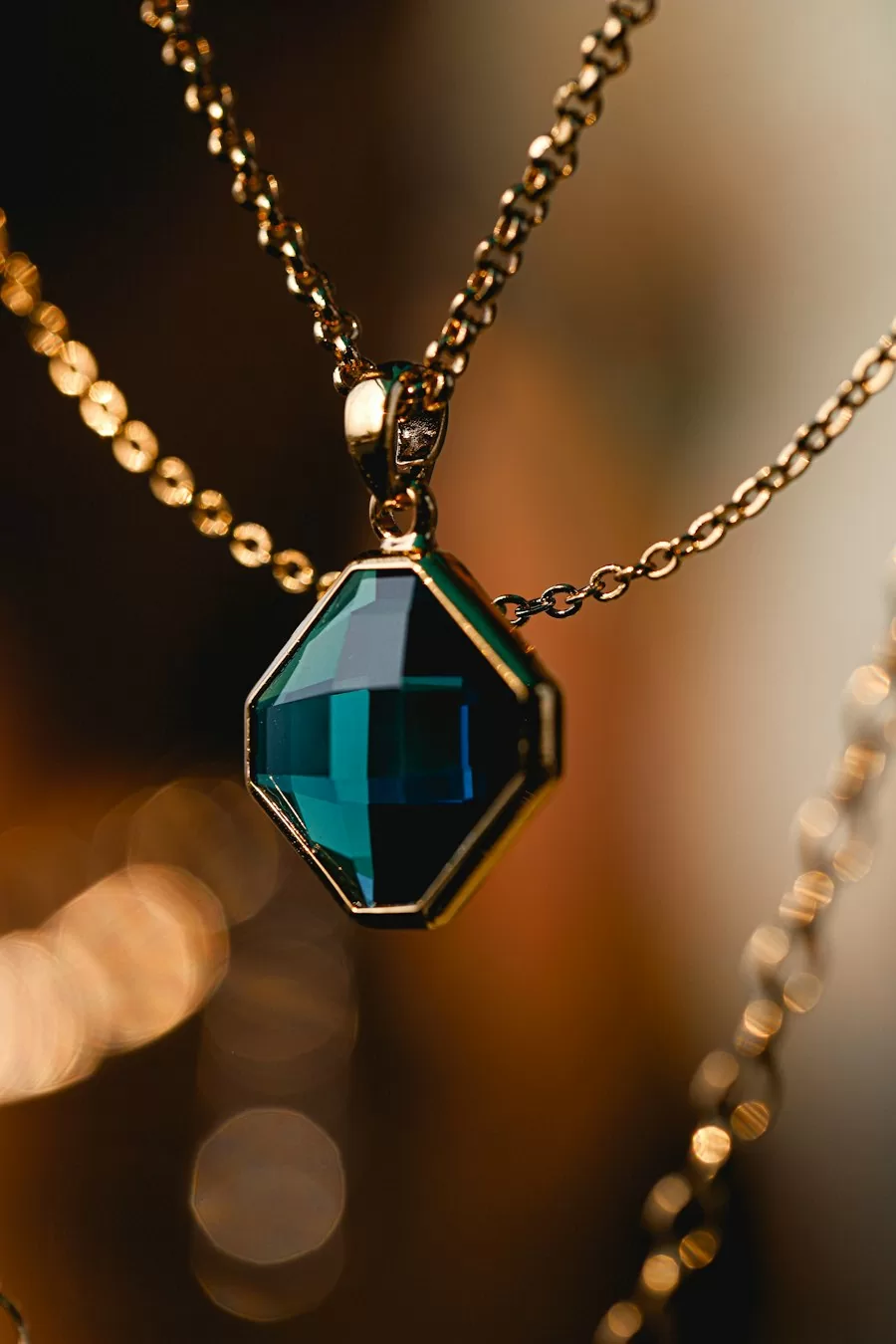
Pendants are the most personal piece many clients order, because they sit at eye level, move with the body, and frame whatever neckline you wear. A custom pendant lets you choose the stone, the setting style, the metal, and the bail, but most first-time designers only think about the stone and forget the engineering that makes a pendant actually wear well. Before you approve a CAD render, it is worth thinking through the size, the bail, and the chain as one connected system.
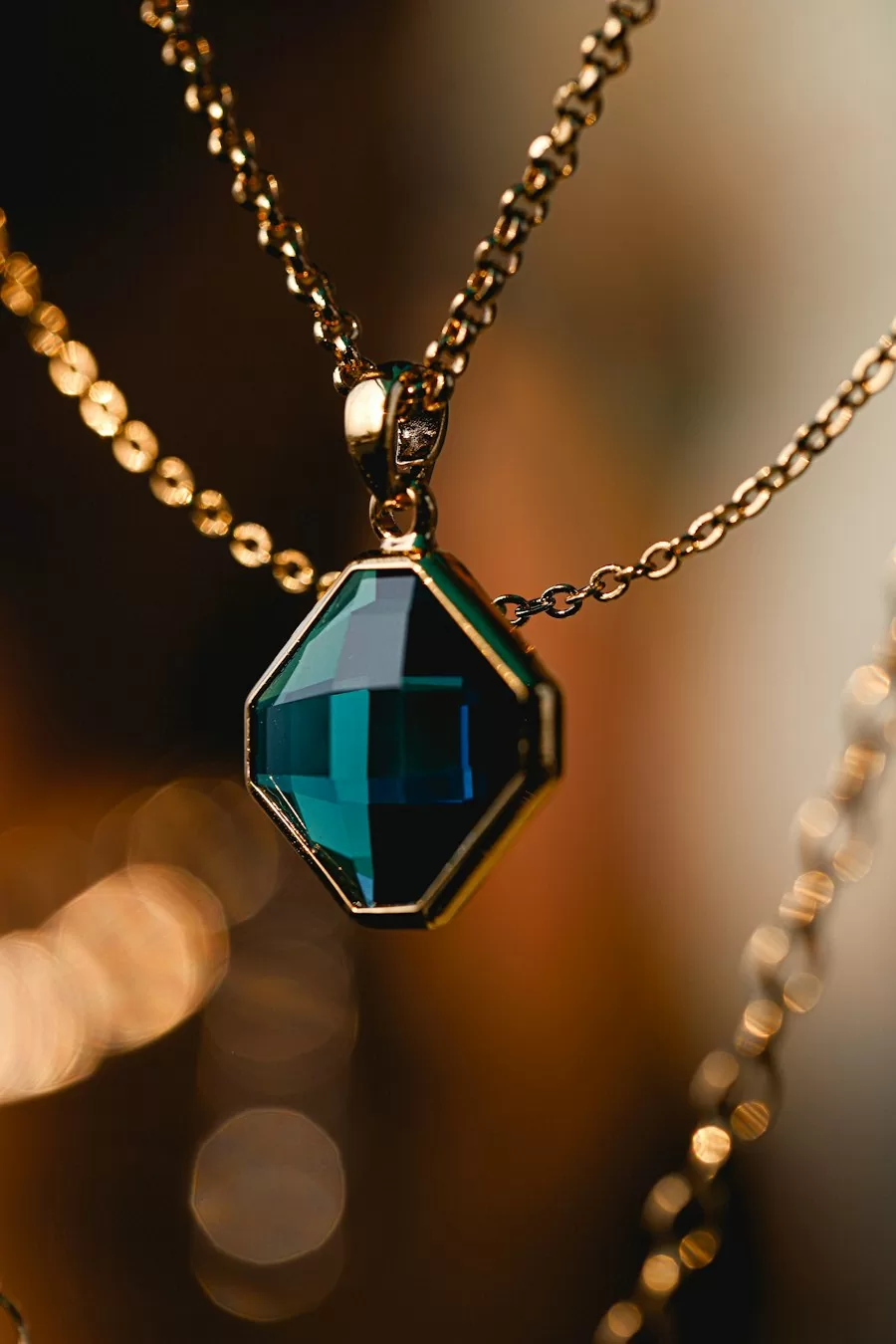
01Start with the stone and its proportions
The stone dictates most of the pendant's footprint. A round 8 mm solitaire reads very differently than an elongated emerald-cut of the same carat weight. In general, choose a stone shape that complements the wearer's face and neck: longer drops elongate, rounded stones soften. If you are recycling a stone from an old piece, that is common in our workshop; we cover the logic in converting a ring into a necklace.
Do not oversize the setting. A metal frame that is wider than the stone makes the pendant look heavy and dated. A clean bezel or four-prong setting that just grips the girdle is almost always more elegant than a decorative halo around a small stone, unless the halo is intentional.
02The bail: the part most people forget
The bail is the loop the chain passes through. A badly designed bail makes the pendant flip over, spin, or tilt sideways all day. Three rules:
03Chain length and weight
A pendant lives or dies on the chain you pair with it. A heavy stone on a thin 0.8 mm chain looks awkward and risks breaking. As a rule, the chain's weight should scale with the pendant: a 1-2 g pendant rides fine on a delicate cable chain; a 5 g or larger piece wants a 1.5-2 mm chain or a Figaro. We cover standard lengths in detail in our necklace chain length guide, but the short version is that most custom pendants ship on an 18 or 20 inch chain because that length lets the piece fall cleanly at the collarbone.
04Setting styles to consider
05Everyday-wear considerations
Pendants take a beating: they bump seatbelts, swing against steering wheels, and get yanked over heads. Build for that. Rounded bezels beat sharp prongs for daily wear. Solid jump rings beat soldered-only connections, because a soldered joint that fatigues has no backup. If the pendant contains a valuable stone, confirm the setting style is serviceable: prongs can be retipped, bezels can be closed, but ornate hidden settings may not be.
06Pendants that layer with other pieces
If the pendant will live alongside a daily necklace or a charm, plan for the gap. A pendant on an 18 inch chain should not tangle with a 16 inch chain next to it; pick a length 2-4 inches apart and choose a flatter bail so the two chains can slide past each other. For clients who already wear a small diamond solitaire, we often design the custom pendant to sit just below it on a 20 inch chain, which reads as a deliberate set rather than a stack. This is the same logic we apply to stacking bands on the hand: each piece gets its own visual lane.
07How long does a custom pendant take?
Most custom pendants run 3-5 weeks from CAD approval to shipping, similar to a ring. The stone selection step is usually what adds time, since sourcing a specific colored gem can take longer than the metalwork itself. If you are working to a date, check our rush order timeline and plan the stone sourcing early.
08Design it to be worn, not just looked at
The best custom pendants are balanced, hang flat, and ride on a chain that feels proportional. Decide the stone first, design the setting around how it will be worn, size the bail for the chain you actually want, and approve the CAD render with those rules in mind. A pendant that flips all day will spend its life in a jewelry box, no matter how beautiful the stone is.
Carat weight conventions cited here follow the Wikipedia entry on carat weight.
09Related Reading
10Frequently Asked Questions
Which chain lengths should I stock first?
16 to 18 inch covers most necklines and gift purchases. Add 20 inch for layering sets and 24 inch for pendant lines.
Are your chains nickel-free and hypoallergenic?
Yes. Sterling silver is 92.5% silver; stainless lines use 316L. Both are nickel-safe for reactive customers when plated correctly.
Can necklaces be personalized?
Laser engraving on pendants and clasps is available from 50 pieces, with 3–5 day turnaround on the engraving step.
What is the bulk lead time?
15–20 days under 500 pieces; 25–30 days for custom pendants or new molds.
Send a sketch or a photo — our setter will answer with stone options and a price band.
Talk to the atelier


