Custom Jewelry Supplier for Small Brands: Survive the
Bench notes · The Journal
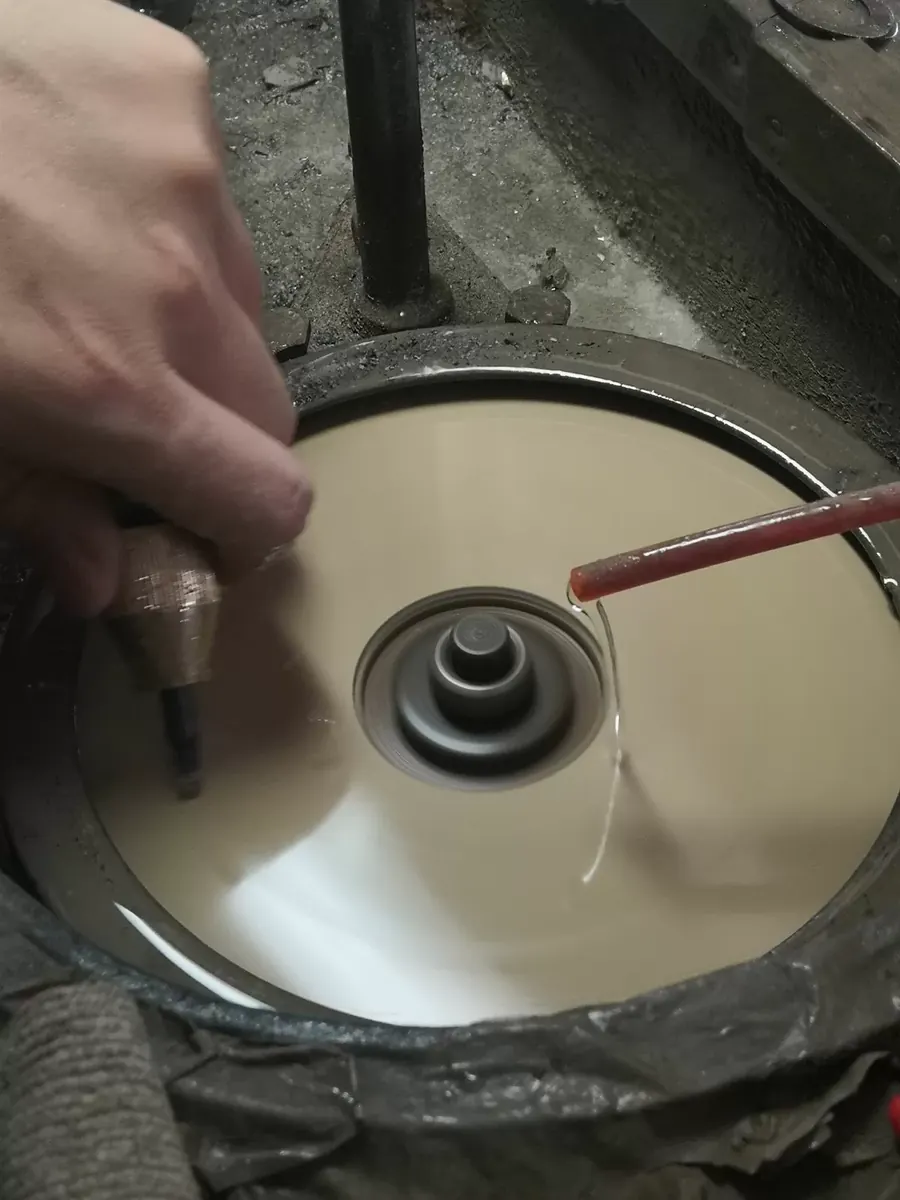
A designer in Lisbon launched a small jewelry line with 300 euros of savings. She needed a supplier who would accept a 60-piece opening, not a 1,000-piece minimum. She also needed the defect rate to be honest, not buried in the fine print. Her first factory quoted 1,000 pieces; she could not afford it. The second factory accepted 60 pieces but shipped 12% defective units and refused to replace them. She almost quit. The third factory, ours, accepted the opening, replaced the defects, and gave her net terms on the reorder that kept her cash flow alive. That is what a small brand actually needs from a supplier: not the cheapest unit price, but a partner who survives the first 100 pieces alongside you.
01What small brands actually need
A small brand's constraints are not the same as a large retailer's. Cash flow is thin, the opening order is small, and a 10% defect rate can sink the line. A supplier optimized for large orders will ignore those constraints.
| Constraint | Large-order supplier | Small-brand supplier |
|---|---|---|
| Opening MOQ | 500-1000 pieces | 60-100 pieces |
| Net terms | net 30 for big buyers only | net terms on reorders |
| Defect replacement | disputed or charged back | replaced at no cost |
| Co-branding | factory tag inside box | your brand only |
| Design files | locked at factory | you own the CAD |
The small-brand supplier accepts a smaller opening, tells you the defect rate up front, replaces defects without a fight, and keeps your brand off the factory's paperwork.
02What we offer small brands
We built a tier specifically for brands in their first year or two.
We have exported small-brand programs to the US and EU over several years. The track record matters because export paperwork, DDP shipping options, and customs documentation are part of the deliverable for a brand selling cross-border.
03Which tier fits which brand stage
Pre-launch, testing the market
Run a pilot of 15 to 30 pieces across 2 to 3 styles. Use them for photos, press, and pre-orders. The per-unit cost is higher, but you are buying information, not inventory.
First real opening
Open at 60 pieces across 3 to 4 styles. Split the opening so you have a coherent line. Reorders at 10 to 20 pieces per style keep cash flow clean.
Growing brand with a hero SKU
Move the proven style to 50 to 100 pieces. Negotiate net terms on reorders and lock the CAD so the piece cannot drift between batches.
04Frequently Asked Questions
What is the minimum opening order for a small brand?
Our small-brand tier opens at 60 pieces across 3 to 4 styles, at 15 to 20 pieces per style. Pilot runs of 15 to 30 pieces are available at higher per-unit cost for testing.
Do you offer net terms for small brands?
Yes. Once a reorder runs clean, we offer net terms on the next reorder. This is how small brands avoid paying cash for every batch as they scale.
What is your defect rate and replacement policy?
Our 90-day defect rate runs under 2.5%, tracked by SKU. Defects are replaced at no cost within 14 days of receipt; we do not dispute.
Do I own the CAD and the mold?
Yes. You own the design files. We hold the wax on file for your reorders, but you can move the design to another factory if you choose.
Can you ship cross-border to the US and EU?
Yes. We provide commercial invoices, packing lists, and DDP shipping options for US and EU delivery. Export documentation is part of the deliverable.
05Takeaways
Send us your style list and budget; we will return a small-brand tier quote within 2 business days. See our small-brand program, read the buying guides, or browse moissanite rings as a low-MOQ starting category.
For HS classification of jewelry in customs and export documentation, the WCO Harmonized System nomenclature is the authoritative nomenclature.
06Related Reading
Send a sketch or a photo — our setter will answer with stone options and a price band.
Talk to the atelier


