How to Vet a Custom Jewelry Supplier for Independent
Bench notes · The Journal
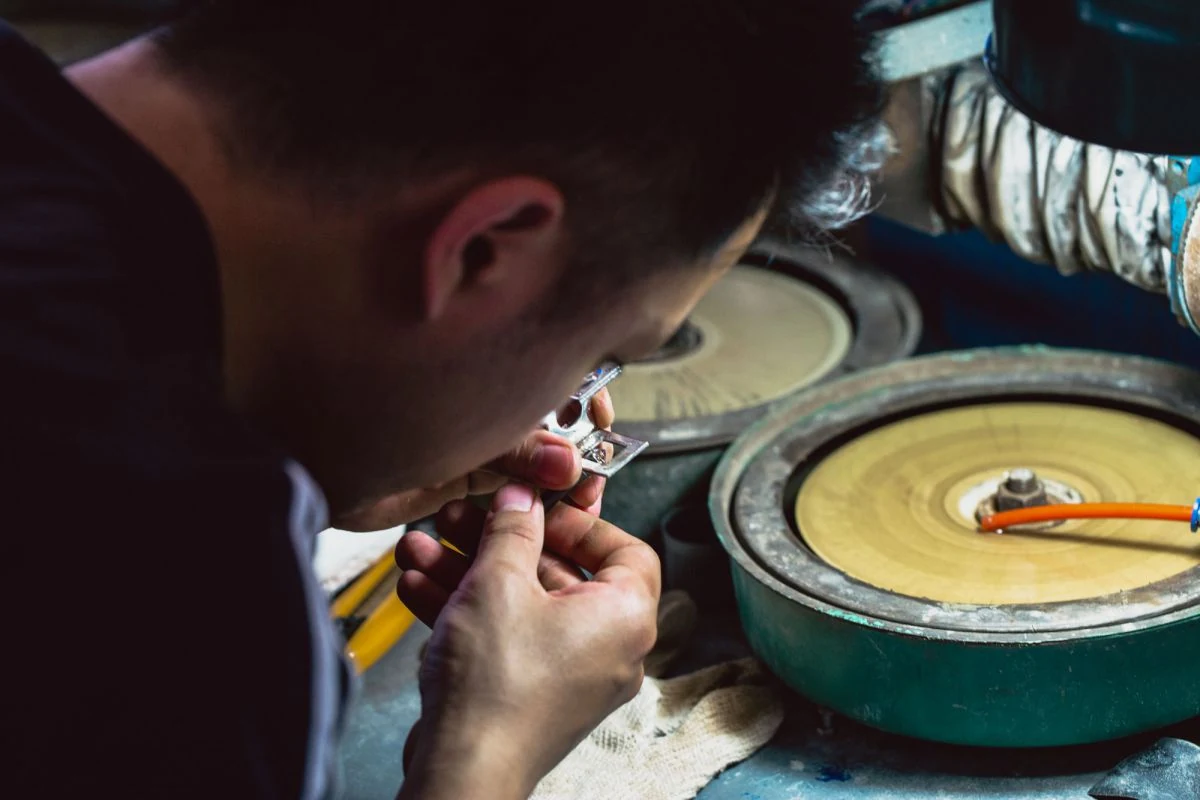
A boutique in Stockholm switched custom suppliers after its previous vendor missed three launch dates in one season. When the store dug in, it found the "factory" had been emailing quotes through three different time zones and never once offered a video of the bench. Vetting a custom jewelry supplier for an independent boutique is not about price. It is about whether the company on the other end of the email controls the bench. Here is the checklist we would want any buyer to run on us, and on anyone else.
01The red flags that mean middleman, not factory
Traders survive on spread, not craft, and they structure communication to hide it. Once you recognize the patterns, the distinction is obvious.
| Signal | Middleman | Working supplier |
|---|---|---|
| Live bench video | Refused or delayed | Offered within a day |
| Lead time confirmation | Vague "2-3 weeks" | Signed milestones per order |
| Sample before bulk | Reluctant | Standard first step |
| RMA terms | Verbal, vague | Written 30-day defect window |
| Rejection-rate numbers | Cannot answer | Logged and shared |
02The vetting checklist to run on any supplier
- Order a paid sample. The cheapest information you will ever buy. Hold the finish, check the wall thickness, run a finger along the prongs. If the sample is careless, the bulk order will be worse.
- Ask for a live video walkthrough. A real factory shows the casting floor, the bench and your job in progress. Refusal is a disqualifier.
- Confirm the QC standard in writing. Prong-pull at 1.5kg? Rhodium at 0.5µm? Wall thickness 1.0mm? These should be on the quote, not in a chat thread.
- Check the shipping terms. DDP means duties and customs (FTC jewelry industry guides) are handled by the supplier and the price on the quote is the price on your door. FOB means you absorb surprises.
- Get the RMA window in writing. Defects reported within 30 days should be remade or credited at the supplier's cost, with macro photos as the evidence standard.
- Ask about certification. GRA dossiers on moissanite, IGI on lab-grown, alloy documentation on gold. A supplier that cannot produce paperwork cannot warrant what you sell.
We hold to these standards openly: live video audits, written QC specs, DDP shipping to EU and US boutiques, a 30-day defect RMA, and documented rejection rates on every production run. Years of export work behind those claims, and we welcome a buyer checking us the same way.
03Matching a supplier to your store's stage
Newly opened boutiques should start with one sample and one small reorder before any bulk commitment. The goal is to test communication as much as product.
Established stores launching private label should negotiate CAD ownership and cadre repeat pricing up front, so the second order costs less than the first.
Online-first retailers should prioritise suppliers that supply white-label photography and render packs, because listing accuracy is what drives your return rate.
04Trade references and the questions to ask them
A sample and a video walkthrough tell you how a factory makes one piece; trade references tell you how it behaves across a year of reorders. Ask any serious supplier for two or three boutique references in your market, then call them with three specific questions. First, how often did a reorder actually match the first sample? Second, what happens when a defect shows up - is the RMA fast and without argument? Third, has the supplier ever missed a committed launch date, and how was it made right? A factory that serves independent boutiques will answer comfortably; a trader will hesitate, because its references are other traders. We supply references openly, because repeat buyers who reorder season after season are the best evidence we can offer. Treat the reference call as the final gate before you place your first bulk order, and you will avoid the supplier churn that eats so much of a small store's margin.
05Frequently Asked Questions
What should a first sample order cost?
A single sample usually costs slightly more per piece than bulk because CAD and setup are not amortised. Treat it as due diligence: the sample is the cheapest QC you will ever run on a new supplier.
Is DDP shipping worth the premium?
For most boutiques, yes. DDP means the supplier handles duties, taxes and customs paperwork, and the quoted price is the landed price. It removes the surprise charges that derail first imports.
What is a fair RMA window for custom jewelry?
Thirty days from delivery is standard for manufacturing defects, remade or credited at the supplier's cost. Cosmetic preferences discovered after sign-off are normally the boutique's own return policy.
How do I know my supplier actually casts the piece?
Request a live video of your job on the bench, and ask for mid-production macro photos. A factory that casts your piece can show it; a trader reselling one cannot.
06Takeaways
Request a vetting sample: pick one design, we cast it to the spec above, film it on the bench, and ship it DDP within five business days.
Review the OEM and supply program, see private label options, read the supplier guides, or open contact.
For HS classification of jewelry in customs and export documentation, the WCO Harmonized System nomenclature is the authoritative nomenclature.
07Related Reading
Send a sketch or a photo — our setter will answer with stone options and a price band.
Talk to the atelier


