Inside a Custom Jewelry Manufacturing Factory: The QC
Bench notes · The Journal
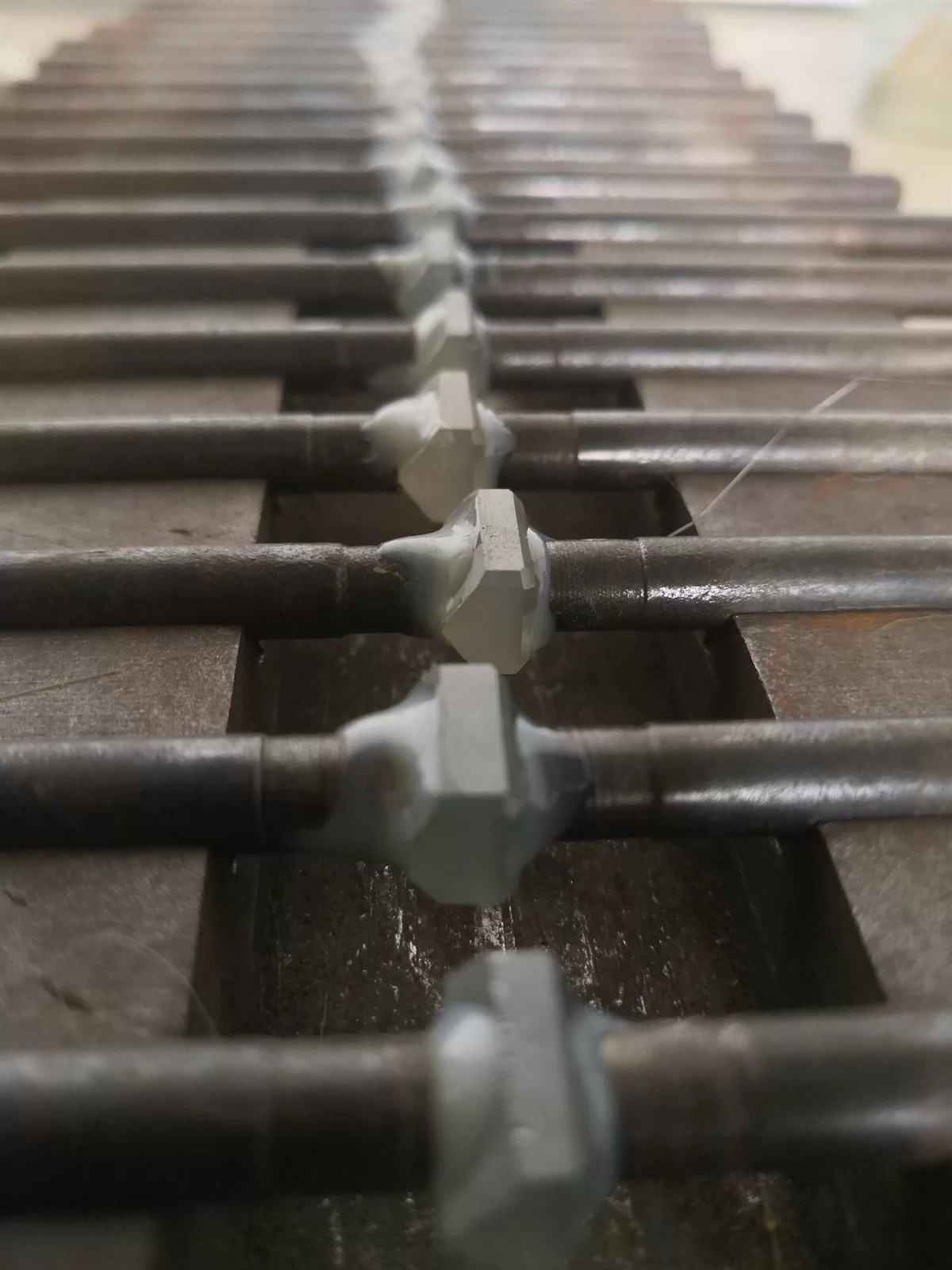
A boutique owner in Rotterdam once compared three "manufacturers" for a 120-piece collection. Two quoted faster and cheaper. The third, our shop, sent a 40-second video of the casting floor and a list of rejection numbers. She chose us and later told us why: the cheap two both turned out to be traders reselling the same bench. This is what actually happens on a custom jewelry manufacturing factory floor, the gates we hold, and how you tell a factory from a middleman before you wire a deposit.
01The two rejection rates that expose a broker
Ask any supplier two numbers: your incoming casting rejection rate, and your outgoing QC rejection rate. A true factory tracks both because scrap metal is its own cost. A broker cannot, because it owns neither bench.
| Metric | Broker / trading desk | Working factory |
|---|---|---|
| In-house casting | Outsourced, unseen | Lost-wax on site |
| Casting rejection rate | "No idea" | Logged weekly, typically 4-7% |
| Outgoing QC rejection | 0% claimed (unverified) | Tracked, usually under 2% |
| Bench access | Photos only, generic | Live video / audit welcome |
02What our floor actually does
Production runs through lost-wax casting. Wax patterns are either hand-carved or 3D-printed from the approved CAD, invested in plaster, and burnout in a kiln before molten alloy is centrifuged into the mold. From there the piece is divested, sprue-removed, and tumbled before hand finishing.
03Who should buy from a factory-direct shop
Boutiques ordering 30-100 pieces per quarter gain the most. At that volume a broker's margin layer is painful; cutting it out funds better plating and thicker walls without raising your landed cost.
Private-label brands need factory control because packaging, branding and finish standards must be reproducible run after run. A trader cannot guarantee that; a bench can, and we are happy to walk your QA through our line on a video audit.
First-time importers benefit from DDP shipping, which means we handle export paperwork, duties and last-mile delivery so your first container does not sit in customs. We have shipped to EU and US buyers under these terms for years without a paperwork hold.
04Where our alloy and stone supply comes from
A factory's standards on the bench only matter if the raw material behind them is honest. We cast in 10k and 14k gold alloys and 925 sterling silver, each lot karat-stamped and accompanied by alloy documentation so your own incoming inspection has something to check against. White gold is alloyed and then rhodium-plated to the 0.5 micron finish we hold. Stones are sourced as documented parcels: GRA dossiers for moissanite, IGI certificates for lab-grown diamond, and measured loose diamonds where a client supplies their own. We do not mix undocumented stones into a run, because a single unnamed stone in a batch is how an entire shipment gets disputed on arrival. Every lot that leaves our floor carries the paperwork that lets your QA sign it off in minutes rather than days.
05Frequently Asked Questions
How do I confirm you are a real factory and not a trader?
Ask for a live video walkthrough of the casting floor and bench, and request your own parcel filmed mid-production. Traders cannot produce a bench with your job on it; factories can, usually within a day.
What is your typical MOQ for a custom run?
One-off bespoke commissions start at a single piece. Production programs for boutiques usually begin around 20-30 pieces per SKU, which is where tooling and CAD costs amortise cleanly.
Do you provide material certifications?
Yes. Gold and silver lots are karat-stamped and accompanied by alloy documentation; moissanite stones carry GRA dossiers and lab-grown diamonds IGI certificates where applicable.
What is your RMA window?
Defects reported within 30 days of delivery are remade or credited at our cost. We ask for macro photos and a short video; most replacements ship within two weeks.
06Takeaways
Request a production sample: pick one setting, we cast and QC it to the spec above, and you hold it in your hand before approving a run.
Walk through the OEM manufacturing process, see the band production range, read the QC guides, or open the contact page.
For HS classification of jewelry in customs and export documentation, the WCO Harmonized System nomenclature is the authoritative nomenclature.
07Authoritative References
For buyers who need to verify the technical and regulatory basis of this guide, the following independent institutions publish authoritative reference data:
08Related Reading
Send a sketch or a photo — our setter will answer with stone options and a price band.
Talk to the atelier


