Custom Jewelry Insurance and Appraisal: OEM Documentation
Bench notes · The Journal
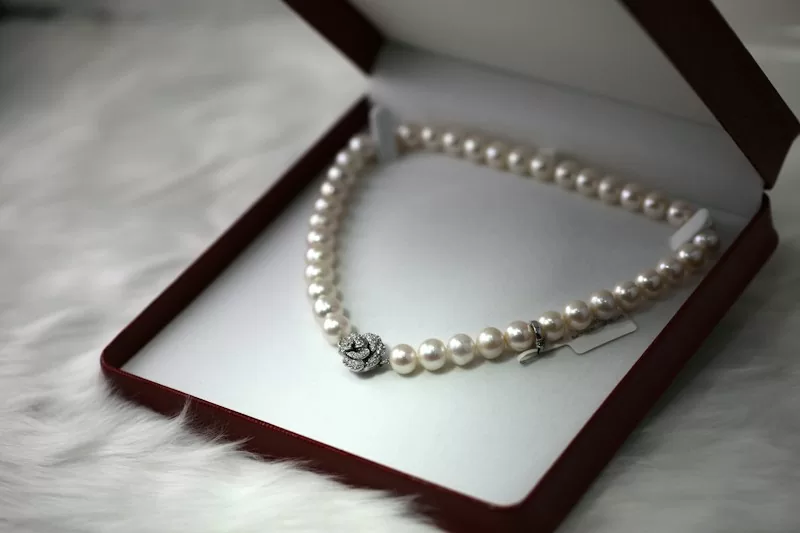
A private client in Boston had a custom engagement ring appraised at purchase for $4,800. Three years later, after a rise in gold and stone prices, she lost the ring while traveling. Her insurer settled at the old appraisal value, but the true replacement cost had climbed to roughly $7,000. The gap was not bad faith; it was a stale appraisal. Custom jewelry insurance and appraisal is the paperwork that protects a bespoke piece, and it is the documentation retailers should hand over with every commission.
01Why most appraisals fail when a claim comes
Insurance companies settle a claim against the documented replacement value at the time of loss, not the sentimental value. An appraisal written once at purchase becomes stale as metal and stone markets move, and a vague appraisal that lists a stone without color, clarity, or measurements gives the insurer room to settle low. We provide a full documentation pack with every custom piece so the client is never under-insured.
| Appraisal gap | Vague paperwork | Our documentation pack |
|---|---|---|
| Stone details | "1ct white stone" | Color, clarity, cut, measurements, cert number |
| Metal weight | Not recorded | Karat, gross weight, assay |
| Replacement value | Purchase price | Current retail replacement value |
| Update schedule | One-time | Recommended re-appraisal every 2-3 years |
| Cert linkage | Loose | GRA / IGI / GIA number matched to the piece |
02What a proper appraisal file contains
Every piece that leaves our atelier ships with documentation built for an underwriter, not a display case:
Our documentation standard sits above the common "purchase receipt" level: an underwriter can read it in one sitting and price the piece without a follow-up call. For retailers, this means fewer awkward conversations when a client makes a claim.
03How to advise different clients
First-time custom buyer: tell them to schedule the piece with a specialist jewelry insurer at the documented replacement value, and to re-appraise after three years. The paperwork we provide is built to be submitted directly.
High-value / heirloom work: recommend an IGI or GIA dossier alongside our appraisal so the diamond's grading is independently verified. Insurers weight third-lab reports heavily.
Retailers reselling our work: white-label the documentation pack under your brand, so your client receives an appraisal that carries your name, not ours.
There is also a practical habit that saves clients money: photograph the piece in good light as soon as it is received, and keep those images with the appraisal file. If the ring is ever lost or stolen, those photos help the insurer confirm the claim quickly and help us reproduce the design from our own CAD records. We have seen claims settle in days where the client had a full documentation pack and reference photos, and drag for weeks where the client could produce only a receipt. The paperwork is not bureaucracy; it is the difference between a settled claim and an unresolved one.
04Frequently Asked Questions
How often should custom jewelry be re-appraised?
We recommend re-appraising every 2 to 3 years, or after any major change in gold or stone markets. An appraisal written at purchase will under-insure a bespoke piece by the time a claim happens.
Do you provide the appraisal with the finished piece?
Yes. Every commission ships with a documentation pack listing the stone details, karat alloy, gross weight, measurements, and a stated retail replacement value, ready to submit to a specialist jewelry insurer.
Is GRA certification enough for insurance?
For moissanite, the GRA certificate confirms color, clarity, and cut, which is what insurers need. For diamonds above 0.5ct, an IGI or GIA dossier carries more independent weight; we recommend it for high-value pieces.
What replacement value should I insure for?
Insure for the current retail replacement value we document, not the original purchase price. A bespoke piece cannot be re-bought off a shelf, so the replacement figure reflects the atelier cost to remake it.
Can you rebuild a piece from its documentation if it is lost?
Yes. Our CAD records and measurement files let us reproduce a lost custom piece; read about reproducing a lost ring for the process. The appraisal pack doubles as a rebuild spec.
05Bottom line
Commission with full documentation: every custom piece ships with an appraisal pack and photos. Explore our bespoke services, view moissanite rings, or contact us via here.
The Gemological Institute of America’s gem encyclopedia is an authoritative, widely cited reference on moissanite and diamond quality factors.
06Related Reading
Send a sketch or a photo — our setter will answer with stone options and a price band.
Talk to the atelier


