Custom Design Stone Strategy: What the 54 - JewelF & Co.
Bench notes · The Journal
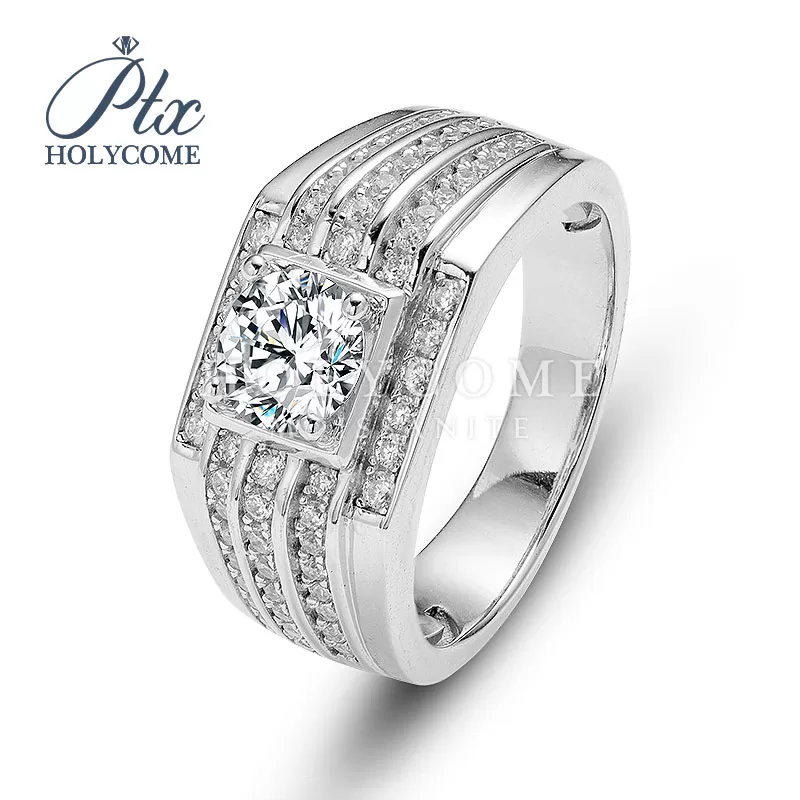
Most buyers open a custom design category on a price filter and close it on a spec they cannot verify.
01Stone choice drives the price story
Lab grown diamond is the dominant stone at 54%; moissanite makes up 46%. In practice that share is the single clearest signal of what a factory can produce repeatably, because stone supply is the part of the chain that is hardest to switch at short notice.
The range holds 5727 designs in this category.
lab grown diamond accounts for 54% of the designs, so stone sourcing is already settled for most of the range.
02Where the stone mix sits
| Stone | Share | Buying implication |
|---|---|---|
| lab grown diamond | 54 | Stock availability, fastest reorder |
| moissanite | 46 | Available but quoted per line |
| Alternate stones | Remainder | Sampled case by case |
Cut and stone together decide whether a design reads as bright and modern or quiet and classic.
A range of 5727 designs is deep enough that a shortlist of six can be drawn without leaving a price slot empty.
03What disclosure has to look like
A stone claim is a compliance statement, not a marketing line. The listing should name the stone, state that it is lab-grown where that applies, and avoid any wording that implies a natural origin.
5727 designs means the shortlist can be assembled from stock patterns rather than from development requests.
04Reading a stone-led range for reorders
A stone-led catalog reorders well when the same stone appears across many settings. It reorders badly when each design uses a different stone that has to be sourced again. Ask which stones are held in stock and which are bought per order.
Reference designs in the range include Classic Solitaire Moissanite Engagement Ring; Cushion Halo Moissanite Engagement Ring; Three Stone Twist Moissanite Ring.
05Pricing against the stone, not against the photo
Two designs with the same look can sit far apart in price once the stone is specified. Compare the stone, the carat and the cut before comparing the number.
06Range snapshot: Custom Design by the numbers
Lab grown diamond is the dominant stone at 54%; moissanite makes up 46%.
| Dimension | Reading | Buying note |
|---|---|---|
| Designs on file | 5727 | Shortlist can come from stock patterns |
| Dominant stone | lab grown diamond (54%) | Sourcing already settled |
Lab grown diamond is the dominant stone at 54%; moissanite makes up 46%. Read the snapshot before the shortlist: a category that is narrow in metal but deep in cut behaves differently from one that is the other way round.
07Frequently Asked Questions
Is a lab-grown stone the same as a natural one?
No. They are different products with different supply chains and different disclosure requirements. The listing should say which one the buyer is getting.
Can the stone be swapped in an existing design?
Usually, but it changes the quote and sometimes the setting. Treat it as a new line rather than an edit.
How do I confirm the stated carat weight?
Weigh the sample and compare with the spec sheet. Carat is a measurable claim, not a description.
Do certificates come with every design?
Certificate coverage varies by stone and value. Ask which designs ship with documentation before you build a listing that promises it.
What stone is best for a first order?
The one the range already produces in volume. Depth in a stone is what makes a reorder predictable.
If you want to work from the current range rather than from a catalog PDF, send the two price slots you sell and the size bands you stock. We will reply with the designs that fit, the build on each, and the reorder path. JewelF & Co. keeps the full range in one place.
The checklist below is the short version of everything above, and it is worth running before the quote rather than after the order.
Send a sketch or a photo — our setter will answer with stone options and a price band.
Talk to the atelier


