A First Custom Design Order Sized From - JewelF & Co.
Bench notes · The Journal
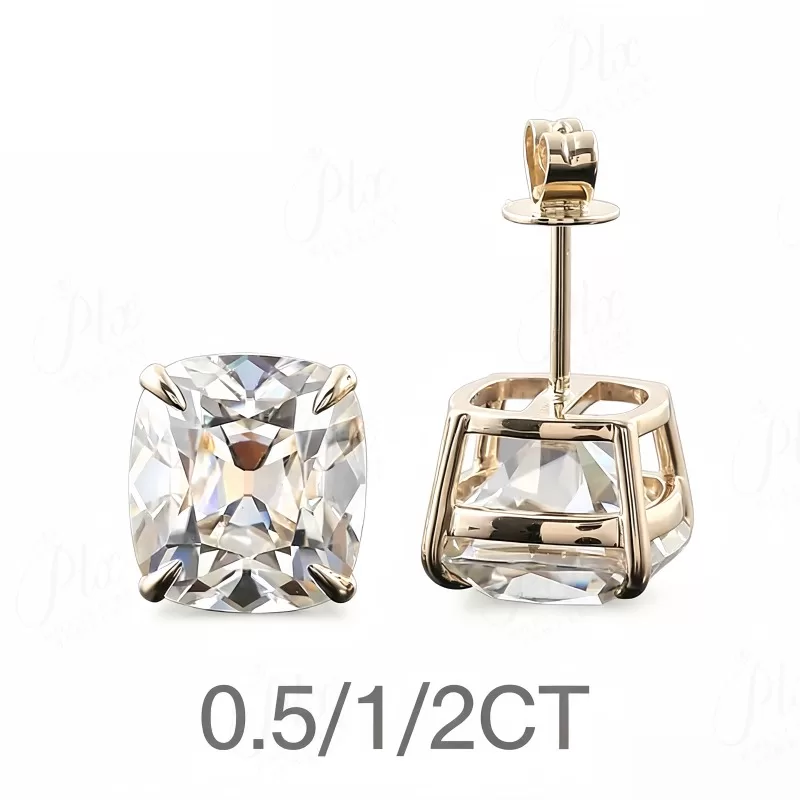
Most buyers open a custom design category on a price filter and close it on a spec they cannot verify.
01Most first orders are sized by guesswork
The usual pattern is a small trial buy, a reorder within weeks, and a third order that finally reflects real demand. That is two orders of working capital spent on learning. The range holds 5727 designs in this category.
The alternative is to size the first order from what the range already covers, so the trial is also a usable assortment.
The stone concentration matters at the listing level: 54% of the range can be described with one consistent disclosure line.
Stone coverage is concentrated in lab grown diamond at 54%; anything else is quoted as a separate line.
02Building the assortment
| Slot | Purpose | Designs from this range |
|---|---|---|
| Opening price | Traffic and trial | One entry build |
| Core look | Main volume | Two to three volume builds |
| Stretch | Differentiation | One design outside the norm |
| Reorder anchor | Continuity | The design most likely to repeat |
Lab grown diamond is the dominant stone at 54%; moissanite makes up 46%.
A range of 5727 designs is deep enough that a shortlist of six can be drawn without leaving a price slot empty.
03How many units per design
Units per design should follow the number of designs you carry, not the other way round. A narrow shortlist justifies deeper units because each design has to carry the category; a wide shortlist justifies shallow units because the range does the work.
04What to leave out of the first order
Reference designs in the range include Classic Solitaire Moissanite Engagement Ring; Cushion Halo Moissanite Engagement Ring; Three Stone Twist Moissanite Ring.
05The reorder plan belongs in the first order
Decide now which two designs will be reordered if they sell, and which will be dropped. That decision is much cheaper to make before the buy than after the sell-through report.
06Range snapshot: Custom Design by the numbers
Lab grown diamond is the dominant stone at 54%; moissanite makes up 46%.
| Dimension | Reading | Buying note |
|---|---|---|
| Designs on file | 5727 | Shortlist can come from stock patterns |
| Dominant stone | lab grown diamond (54%) | Sourcing already settled |
Lab grown diamond is the dominant stone at 54%; moissanite makes up 46%. Read the snapshot before the shortlist: a category that is narrow in metal but deep in cut behaves differently from one that is the other way round.
07Frequently Asked Questions
What is a realistic first order size?
Small enough to test the finishing, wide enough to cover more than one price point. A single design rarely tests a factory.
Should the first order include custom work?
Better to keep custom work for the second order, once the standard build has been verified on your own customer base.
How do I avoid dead stock on a first order?
Keep units shallow across more designs, and pre-decide the reorder pair before the goods arrive.
Does a first order get better pricing?
Sometimes, but price is less important than confirming the build. Ask for the volume tier structure so the second order is priced correctly.
What should I measure after the first order?
Sell-through by design, return reasons, and which spec field customers asked about. Those three decide the reorder.
If you want to work from the current range rather than from a catalog PDF, send the two price slots you sell and the size bands you stock. We will reply with the designs that fit, the build on each, and the reorder path. JewelF & Co. keeps the full range in one place.
The checklist below is the short version of everything above, and it is worth running before the quote rather than after the order.
Send a sketch or a photo — our setter will answer with stone options and a price band.
Talk to the atelier


