Designing a Custom Bracelet: Tennis, Chain, and Bangle
Bench notes · The Journal
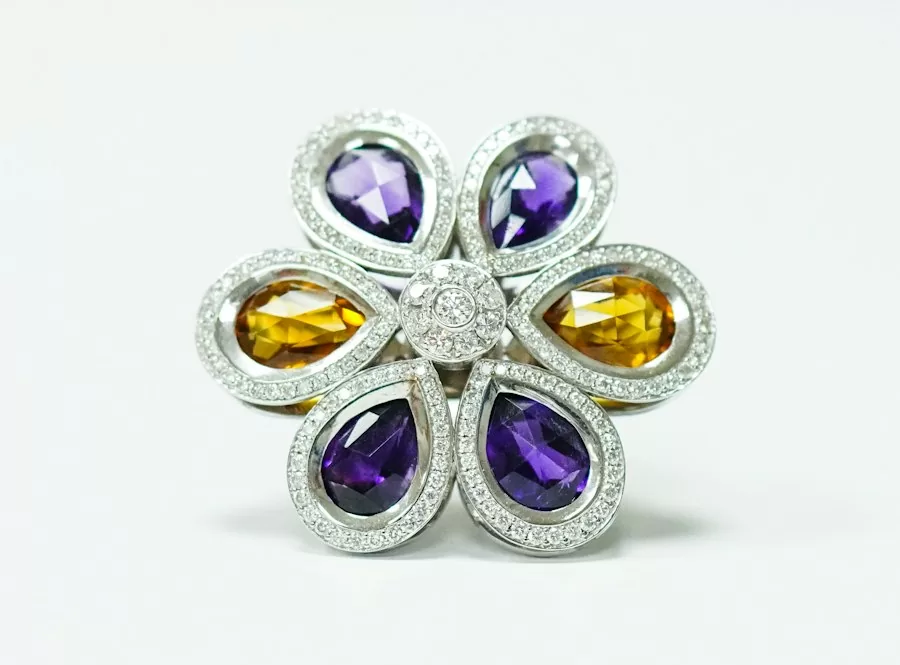
Bracelets are the most under-appreciated category in custom jewelry. People spend weeks on an engagement ring and then buy a bracelet off a hook in a display case, where the chain is too thin, the clasp is hopeless, and the fit sits either halfway up the forearm or slipping past the knuckle. A custom bracelet solves all of that in one pass, because you are choosing the width, the weight, the metal, the clasp, and the length for your actual wrist. It is also one of the more straightforward factory-direct builds, since most bracelets are assembled from standard components customized to your dimensions.
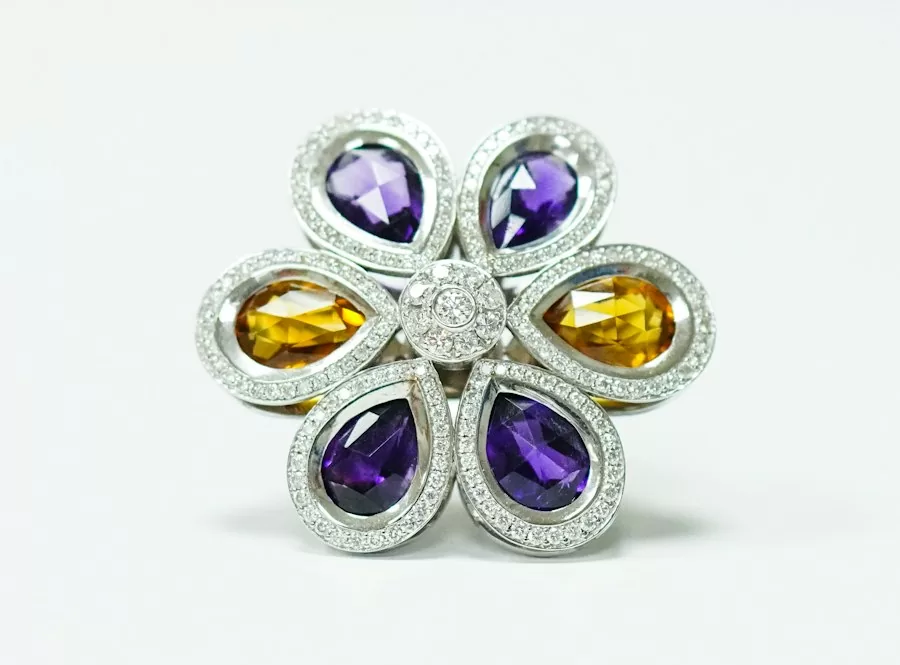
01The three shapes people actually order
The tennis bracelet is the classic: a continuous line of matched stones set next to each other, usually in four-prong heads. It is elegant, it stacks, and it goes from office to evening. The chain bracelet covers cable chains, Figaro, curb, and Cuban links—all about the gauge and the finish. The bangle is a rigid circle, hinged or slip-on, and it is the one shape where sizing matters most because there is no flex to save you. Most customers start by telling us which of these three directions pulls at them, and we build from there.
02Sizing a bracelet correctly
A bracelet should move on the wrist without sliding past the heel of the hand. The right length is measured around the wrist bone with a flexible tape, plus roughly a quarter to a half inch for movement. Bangles are the exception: they need to clear the knuckles, so the inside diameter is measured against the widest part of the hand. People guess these numbers all the time and end up with something that either pinches or flops. When you order custom, we walk you through the measuring over photos rather than letting you guess, the same way we do for ring sizing—fit is fit, whether it is a finger or a wrist.
03The clasp is the part that fails first
A bracelet is only as good as its clasp. Lobster clasps are secure but can be hard to operate one-handed. Box clasps with a figure-8 safety are the standard for tennis bracelets and should always include the secondary safety. Spring rings are common on retail chains but fail more often. For people who struggle with fine motor tasks, a magnetic or easy-hook clasp is a reasonable upgrade, though we are honest about its lower security. The number-one repair we see on bracelets is a broken or opened clasp, and choosing the right one at design time prevents the whole conversation from our repair bench later.
04Weight, and why it matters
Thin chains feel flimsy and twist on the wrist. Heavy chains feel luxurious but pull on shirt cuffs and dig in during long days. There is a middle gauge that most people prefer, and it comes down to how the bracelet will be worn. A tennis bracelet set with small stones in a lightweight head is fine for evening; an everyday piece wants a slightly heavier shank and more durable prong work. Side stones on a bracelet need the same durability thinking that pave rings get, because a bracelet takes the kind of bumps a ring on the palm never sees.
05Budgeting a custom bracelet
The cost breaks into the metal weight, the clasp hardware, and the stones if it is a tennis piece. Because bracelets are assembled rather than fully cast in one piece, the timeline is shorter than a ring, and revisions to length are cheaper after the fact. You can start with a design and ask for a couple of extra links made up, which is a practical hedge for weight fluctuation or a hand-me-down to someone else. That flexibility is part of why a custom bracelet ends up being a piece people keep for decades, instead of something they replace every few years.
Stones on a bracelet are another decision point. A tennis bracelet uses matched stones all the way around, and the match quality matters because your eye runs along the whole line at once. Mixed sizes or alternating shapes are a deliberate design choice, not a shortcut. If you want something lighter, a station bracelet—stones spaced along a plain chain—uses fewer stones, costs less, and wears more like a fine chain. We usually suggest station bracelets for first-time buyers, because they are easier to wear every day and less alarming to clean.
The underside of a bracelet is where cheap construction shows. A well-made bangle has a hinged joint that closes flush, no rough solder inside, and a safety that cannot open on its own. Turn any bracelet over in a display case and look at the inside. If the finishing is rough there, it will feel rough on your wrist within a week. That inside-outside test is the same one we apply to any piece we take in for repair, and it is the fastest way to separate honest work from a markup.
The history and conventions of engagement rings are outlined in the Wikipedia entry on engagement rings.
06Related Reading
07Frequently Asked Questions
Which chain lengths should I stock first?
16 to 18 inch covers most necklines and gift purchases. Add 20 inch for layering sets and 24 inch for pendant lines.
Are your chains nickel-free and hypoallergenic?
Yes. Sterling silver is 92.5% silver; stainless lines use 316L. Both are nickel-safe for reactive customers when plated correctly.
Can necklaces be personalized?
Laser engraving on pendants and clasps is available from 50 pieces, with 3–5 day turnaround on the engraving step.
What is the bulk lead time?
15–20 days under 500 pieces; 25–30 days for custom pendants or new molds.
Send a sketch or a photo — our setter will answer with stone options and a price band.
Talk to the atelier


