Cushion-Cut Moissanite: Shape, Facets, and How It Wears
Bench notes · The Journal
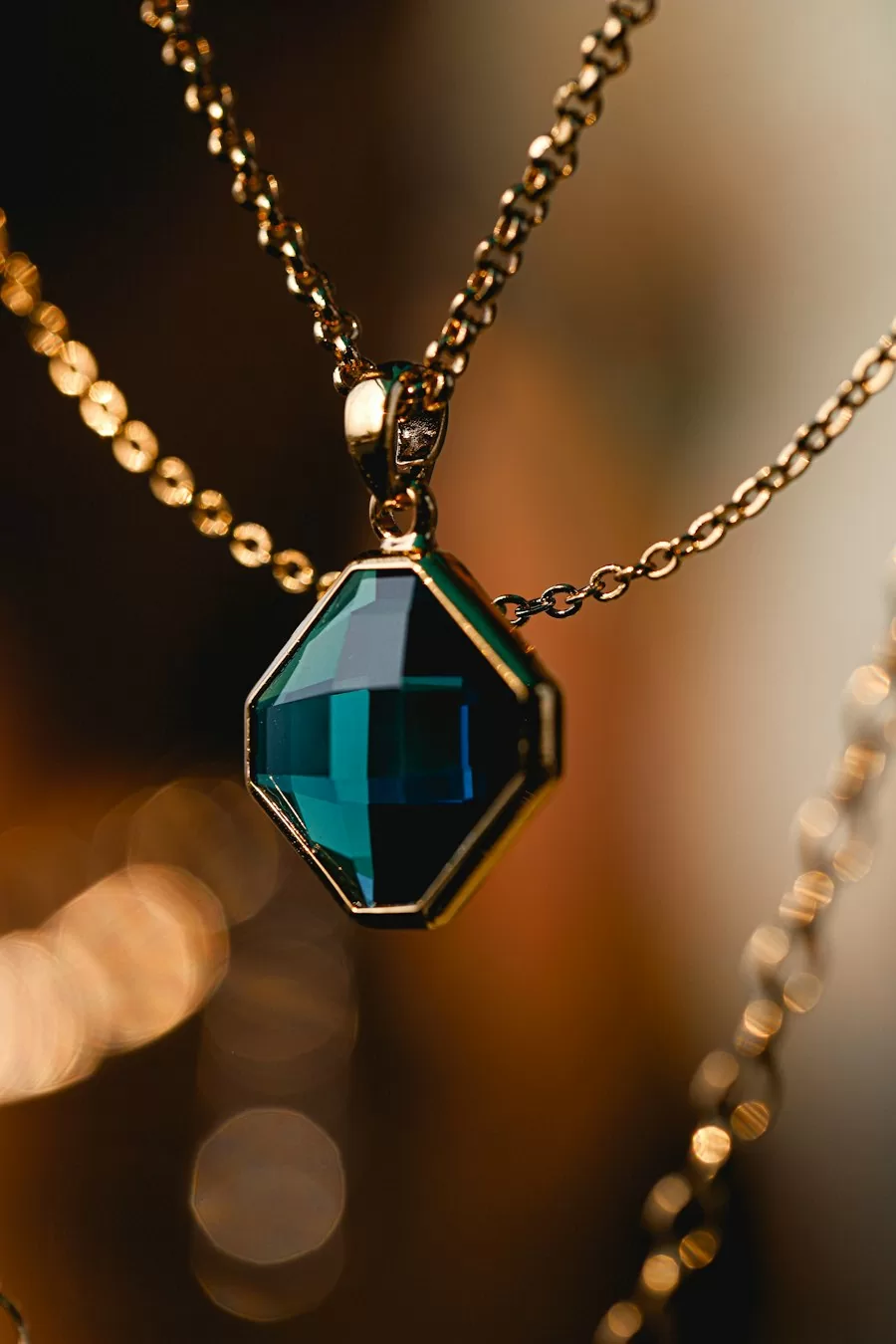
The cushion cut is what people picture when they say "old mine" or "vintage romantic." Rounded corners, a soft square outline, and a pattern that reads more like a candlelit room than a halogen desk lamp. In moissanite it has become one of the most-requested fancy shapes, and for good reason — the cut hides color better than an emerald and out-sparkles a round without looking busy.
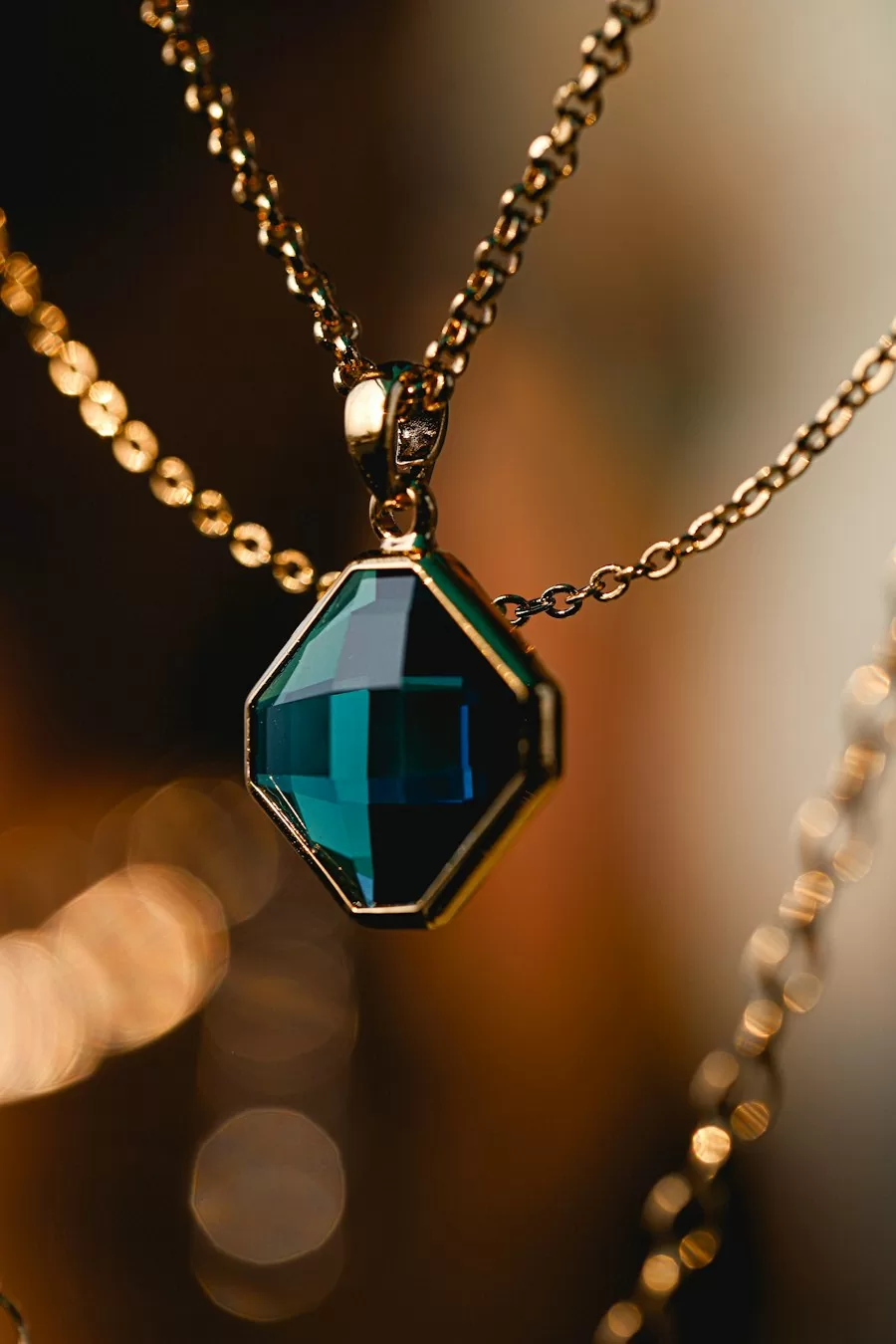
01What a cushion actually is
A cushion is a square or slightly rectangular brilliant with the corners rounded off. The name comes from the outline looking like a plump pillow. There are two common facet patterns: the older "classic" or "old mine" cushion, with a smaller table and chunkier facets, and the modern "brilliant-style" cushion, which has more facets and a wider table. Most moissanite houses now cut to the modern pattern because it maximizes the stone's already-strong fire.
The length-to-width ratio matters. A true square cushion runs about 1.0 to 1.05. A "cushion rectangular" runs 1.15 to 1.25. Past 1.3 it starts to read like an oval that got pinched at the corners, and most people do not like it. If you are choosing on a screen, ask the maker for the exact ratio, not just "square."
02Where cushion moissanite shows its cut quality
Unlike a round brilliant, where a well-cut stone just looks bright, a cushion will reveal a poor cut immediately. Common tells include a dark center (called a "dead eye"), a window through the middle when you tilt it, or a lopsided outline where the rounded corners are not even. A well-cut cushion moissanite should be bright across the whole face-up view, with the table and the crown facets balancing each other.
Because moissanite's cut quality varies by manufacturer, the cushion is where it shows most. Ask for a face-up video in natural light, not a studio render. Fire looks exaggerated on a render; on a real stone in a room, you want the sparkle even and the center alive.
03How cushion wears on a hand
Cushion reads slightly larger than a round of the same carat weight because the outline is wider through the corners. A 1.5-carat cushion on a narrow band looks substantial. It also photographs well — the rounded corners soften the hand and do not elongate a short finger the way an emerald cut does.
On durability, the rounded corners are a real benefit. A square or rectangular cut with sharp corners is more likely to chip at the corner if you knock the ring against a hard surface. The cushion rounds those corners off, which is why it has been a working-man's favorite for a century. Moissanite's hardness (around 9.25 on Mohs) means it resists scratches far better than a sapphire-only piece, and the cushion shape resists chips better than a sharp-cornered fancy.
04Choosing the right carat weight
Cushion moissanite is priced differently than round. Because the shape cuts more cleanly from the rough, a 1.5-carat cushion usually costs less than a 1.5-carat round of the same quality. The face-up size is larger through the corners, so a 1.5-carat cushion reads about the same as a 1.7-carat round on the finger. If your budget is set and you want presence, the cushion is the shape that stretches it furthest.
One caution: very large cushions (2.5 carats and up) start to look heavy on narrow fingers. If you have a slender finger under size 6, a 1.5- to 2-carat cushion is usually the sweet spot. On a wider finger, 2 carats reads natural. See our guide on matching a stone shape to your hand for how the proportions shake out.
05Setting it well
Cushion moissanite pairs naturally with a four-prong setting that tucks the prongs onto the rounded corners. Six prongs work too, but they start to cover more of the stone. A bezel works, but it covers the corners that make the shape. We usually suggest a cathedral or solitaire head that lifts the stone off the band.
If you are choosing between cushion and emerald cut, the difference is tone: emerald is quiet and linear, cushion is warm and celebratory. Cushion moissanite is the safer choice for someone who wants sparkle without the predictability of a round.
One last practical note: cushion moissanite looks different in different lighting. In bright sunlight the fire is strong and the corners catch light separately, which can make the stone look like four smaller stones. Under soft indoor light the outline melts into one bright center. If you are choosing online, ask for a face-up video in natural daylight — that is the light you will see most often, and the one that best predicts how the stone will read on your hand. A short walk outside with the ring on your finger is worth more than any number of studio photos.
For third-party reference, the Wikipedia article on moissanite details moissanite’s discovery, optical properties and use in jewelry.
06Related Reading
07Frequently Asked Questions
Is moissanite a good diamond alternative for retail buyers?
Yes for price-sensitive customers who want brilliance and hardness. Moissanite ranks 9.25 on the Mohs scale, holds up to daily wear and costs a fraction of a natural diamond of the same size, so it resells fast in bridal and fashion lines.
What is the minimum order for wholesale moissanite?
MOQ starts at 50 pieces per design for stock items. Custom cuts and private-label settings usually start at 100–300 pieces depending on the mold.
Do you provide certificates with moissanite stones?
Yes. Every parcel ships with GRA or IGI documentation listing carat weight, color grade and cut. We recommend passing the certificate to your end customer for trust.
How long does sample and bulk production take?
Samples ship in 3–5 days. Bulk runs take 15–20 days under 500 pieces, and 25–30 days for custom work.
Send a sketch or a photo — our setter will answer with stone options and a price band.
Talk to the atelier


