Colored Gemstone Engagement Rings: A Custom Buying Guide
Bench notes · The Journal
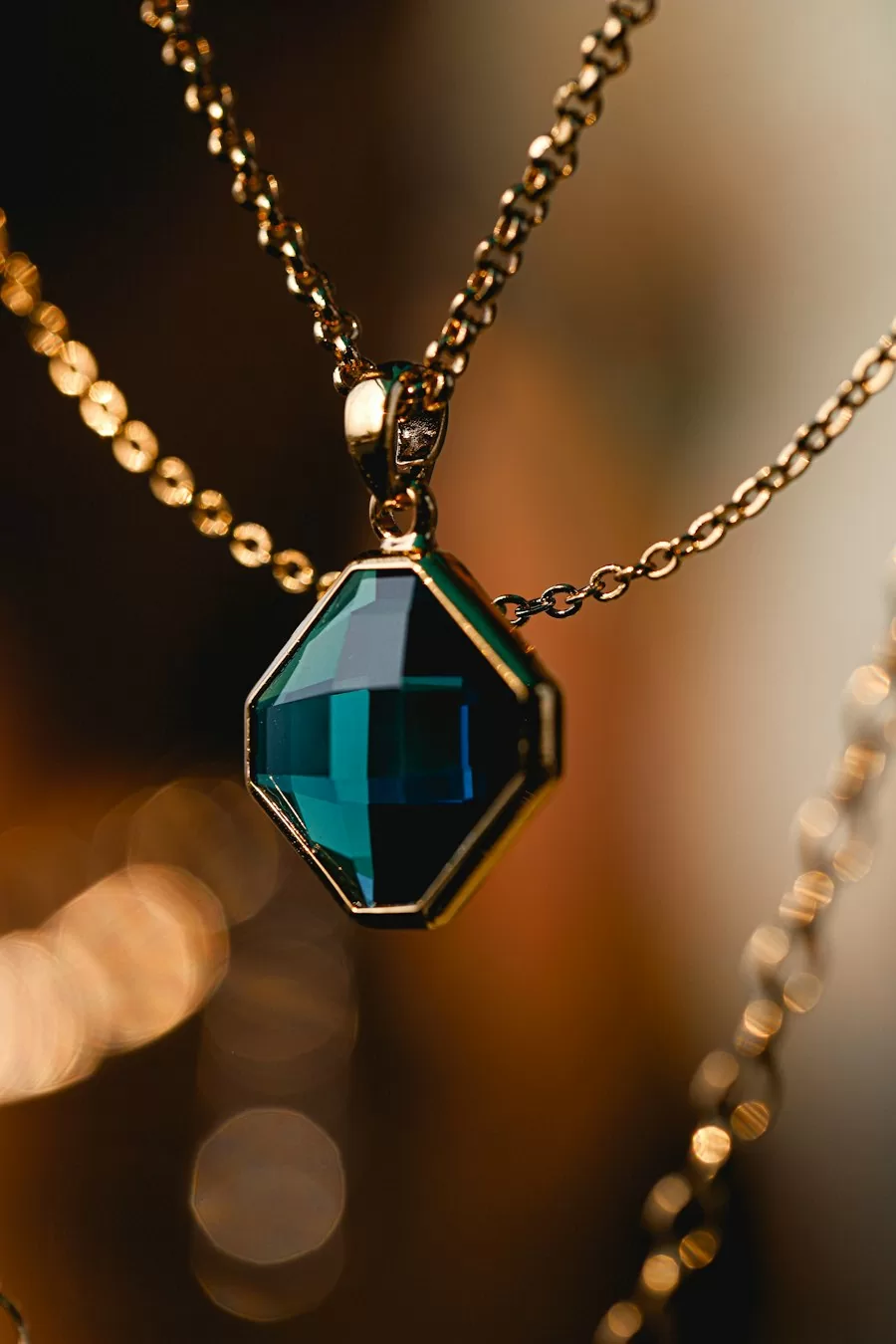
The diamond solitaire is timeless, but it is not the only honest path to an engagement ring. More couples are commissioning colored gemstones - sapphires, rubies, emeralds and lesser-known stones like morganite or tourmaline - because the color carries meaning and the ring stops looking like everyone else's. Building one custom gives you control over the stone and the setting, but it also forces a question the jewelry store would rather skip: will this gem survive twenty years of being worn every day?
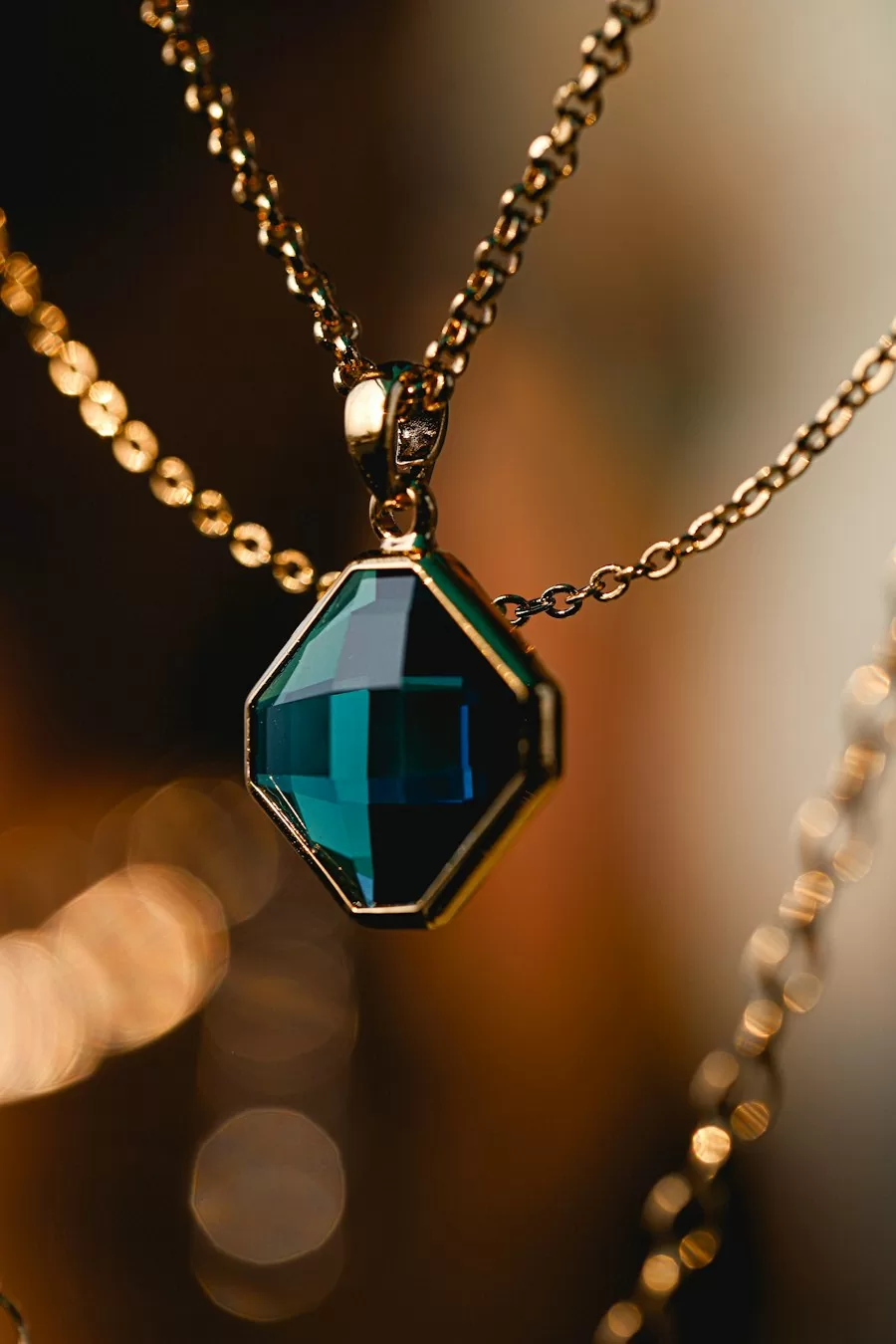
The single most important number for an engagement stone is hardness, measured on the Mohs scale. Sapphire and ruby sit at 9, just below diamond at 10, and they shrug off the knocks that come with typing, washing dishes and carrying groceries. Emeralds land around 7.5 to 8 but are heavily included, which makes them prone to chipping if struck on an edge. Opal, pearl and malachite are simply not candidates for a ring finger, no matter how beautiful they are. If you want color but need toughness, a custom build around a sapphire core is the safest starting point.
Color itself is judged differently than a diamond. With colored stones, deeper and more even color is usually the goal, and lighting changes everything. A sapphire that looks inky blue under showroom lights can turn almost black at home. Always ask to see the stone in natural daylight and under warm indoor light, and compare it against a reference you trust. This is the same reason people research how stones read under different temperatures of light - the color you see in the photo may not be the color you live with.
Clarity expectations shift with gem type. Eye-clean is the practical target for most colored engagement stones; microscope-level clarity is rare and expensive, and inclusions in emeralds and rubies are considered natural character rather than flaws. What you want to reject is a visible crack that reaches the surface, because that is where a chip will start.
The setting should be chosen to protect the stone, not just show it. Prongs hold a round or cushion-cut gem well, but stones with thin corners - like emerald or marquise cuts - need those corners shielded. A bezel or halo setting wraps the edge and lowers the chance of snagging, which matters if you lead an active life. Colored stones also look best in a metal that supports their tone: yellow gold warms a ruby, white gold or platinum cools a blue sapphire, and rose gold softens a pink morganite. Read our guide on picking the metal for the ring before you lock in the setting.
One practical note: colored gems are usually priced per carat very differently than diamonds, and the most desired color can cost more per carat than a modest diamond. Build your budget around the stone you actually want rather than assuming color is the cheaper route. Working factory direct removes the retail layer, so more of your budget lands in the stone itself.
Care differs too. Ultrasonic cleaners can shake loose a heavily included emerald or drive liquid into a fissure, so many colored-gem rings need gentle soap-and-water cleaning instead. Book the ring for a quick check-up once or twice a year so prongs stay tight; a loose colored stone chips more easily than a diamond of the same size.
Colored stones also change the math on side stones. A diamond halo can make a colored center look smaller and bushy, so many custom builds skip the halo and let the center color carry the ring alone. If you want accent stones, smaller diamonds or a band of micro-pavé add sparkle without competing with the color. The point is to design around the gem, not to default to the setting you saw on a store display. When you work direct, your maker sketches the balance with your actual stone in hand, and you approve it before casting.
Be honest about maintenance. Colored gems reward a little care that a diamond would shrug off. Keep the ring away from harsh chemicals and sudden temperature swings, and reapply any contrast or oiling only through a trusted bench. Over time, a polished facet can soften from years of hand-washing, and an occasional repolish brings the color back to life. That upkeep is part of the bargain for a stone that turns heads, and it is far cheaper than replacing a chipped gem. If you know you will never take the ring off for chores, lean toward the hardest, most protected stone you can find.
A colored gemstone engagement ring is a statement, but it is a statement you have to live with. Match the stone to your daily life, protect its edges, and let the color be the reason someone remembers the ring - not a chip that appeared six months in.
Independent background on moissanite — how its hardness and refractive index compare with diamond — is documented in the Wikipedia article on moissanite.
01Related Reading
02Frequently Asked Questions
What ring sizes can you supply in bulk?
US sizes 5–12 including half sizes. Send a size breakdown with your order and we cast to that curve; comfort-fit inner bands reduce resize requests.
Can I order a mixed size run instead of one size?
Yes. Mixed runs are standard for wholesale: specify quantity per size and we pack and label by size at no extra labor cost.
What is the MOQ for custom ring designs?
50 pieces per design for existing molds; 100–300 pieces when a new mold or CAD model is required.
How should I price rings for retail margin?
Most partners use a 3–4x markup on FOB cost for sterling and 2.5–3x for moissanite solos, which keeps landed cost under 30% of retail.
Send a sketch or a photo — our setter will answer with stone options and a price band.
Talk to the atelier


