Choosing a Custom Jewelry Manufacturer: A 10-Point Vendor
Bench notes · The Journal
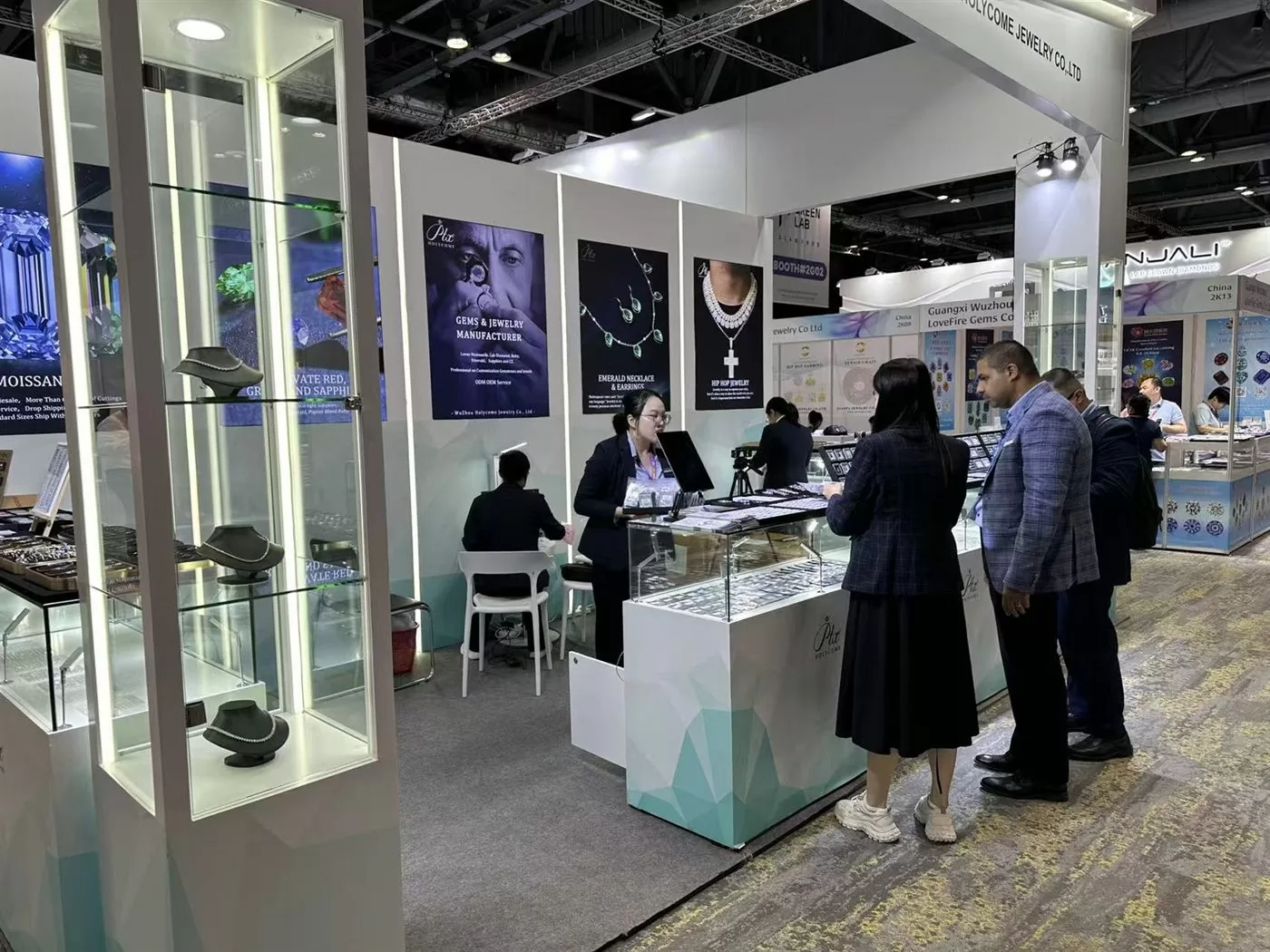
Two boutiques in the same city sourced custom jewelry last year. One picked the factory with the lowest unit price, saved about 15% per piece, and spent the season chasing loose stones, wrong ring sizes and missing certificates. The other paid more per unit, asked hard questions up front, and did not log a single return. Choosing a custom jewelry manufacturer is a vendor audit, not a price comparison. The checklist below is the ten points we expect any serious buyer to ask — and the points that separate a manufacturable partner from a risky quote.
01Why the cheapest quote is usually the expensive one
Custom jewelry pricing hides a lot. A low unit price often means the factory is saving on the stages that customers feel first: thinner plating, visual-only stone checks, and no sample approval. The numbers you should compare are not just unit cost — they are the cost of a failed run:
| Cost line | Low-price factory | Manufacturable partner |
|---|---|---|
| Plating thickness | 0.3 micron rhodium | 0.5 micron |
| Stone check | Visual loupe | 1.5 kg prong-pull test |
| Sample approval | Screen render only | Resin or metal prototype |
| Document pack | Invoice | QC sheet plus stone and alloy certs |
A 15% saving on unit price disappears fast when 12% of a run comes back and the season is already half over.
02The ten-point checklist
Run every prospective manufacturer through these points before you place a bulk order.
- Ask for a physical sample, not a render. Hold the weight, check the prongs, look at the finish under a loupe.
- Require the QC spec in writing. Plating thickness, prong-pull test, ring-size tolerance. If they cannot write it down, they are not doing it.
- Check stone documentation. GIA or IGI for diamonds, GRA for moissanite. Ask how they match the certificate to the actual stone in the parcel.
- Confirm alloy and karat. 10k, 14k, 18k or platinum 950, with an alloy certificate. "Gold tone" is not an alloy.
- Ask about file ownership. Who keeps the CAD after the order? Under an NDA, your designs should not reappear on another buyer's shelf.
- Get the lead time in writing. CAD approval, prototyping, casting, transit. A vague "a few weeks" hides the slow stages.
- Ask about RMA and defect terms. What is the window, and do they remake or credit? Our measured defect rate is under 1.5%; ask the competitor for theirs.
- Check export terms. DDP shipping means the landed price is predictable. FOB means you handle customs and duties yourself.
- Talk to an account contact, not a sales queue. A named contact who knows your orders is what keeps reorders consistent.
- Start small. A 20-piece opening order tells you more than ten reference calls. Let the first parcel be the audition.
03Which buyer you are changes the weight of each point
First-time buyer. Weight points 1, 2 and 10 hardest. You do not yet know what "good" feels like, so a physical sample and a small opening order are your best protection.
Boutique with repeat customers. Weight points 4, 5 and 8. Consistency across reorders and clean export documents matter more than a one-time saving, because your customers compare this season's ring to last year's.
Private-label brand. Weight points 5, 6 and 7. File ownership, lead-time predictability and RMA terms are the terms that protect the brand you are building, not just a single order.
04Frequently Asked Questions
How do I verify a manufacturer's quality before a big order?
Order a paid sample parcel first. Hold the weight, inspect the prongs under a loupe, and check the finish. Ask for the QC spec and stone certificates in writing. A sample order is cheaper than a failed bulk run.
What is a reasonable MOQ for a first order?
An opening MOQ of 20 mixed pieces is reasonable for a boutique or new brand. Factories demanding 300-piece minimums are built for chain buyers, not small retailers, and should be treated as such.
Should I always choose the lowest unit price?
No. Compare landed cost including plating, QC, certificates and RMA terms. A 15% lower unit price paired with a 12% return rate is usually more expensive than a slightly higher price with near-zero defects.
What certifications should a custom jewelry manufacturer provide?
Stone certificates (GIA, IGI or GRA depending on the stone), an alloy certificate, and a QC sheet for the batch. Export orders should also include commercial invoices and packing lists for customs.
How long should a first bulk order take?
Three to five weeks from approved CAD for a custom order, plus one to two weeks transit. Catalog reorders on stored CAD run one to two weeks. Anything quoted at under a week for custom work is skipping the approval stages.
05Key takeaways
Request a sample parcel and our written QC spec: MOQ 20 mixed pieces, DDP shipping to US and EU, ships in about three weeks. See our OEM service, read about private label, or review the CAD and prototyping process. More guidance in the buying guides.
For HS classification of jewelry in customs and export documentation, the WCO Harmonized System nomenclature is the authoritative nomenclature.
06Authoritative References
For buyers who need to verify the technical and regulatory basis of this guide, the following independent institutions publish authoritative reference data:
07Related Reading
Send a sketch or a photo — our setter will answer with stone options and a price band.
Talk to the atelier


